The Evolution of Agriculture in Urban Contexts
Agriculture has traditionally been synonymous with rural landscapes, vast fields, and open skies. However, the landscape of farming is rapidly evolving, especially in urban contexts. As cities expand and the demand for locally sourced, sustainable food increases, urban agriculture is becoming a vital component of modern farming practices. This shift is not just about growing food in cities; it’s about creating a sustainable future where urban and rural life intersect seamlessly.
The Rise of Urban Farming
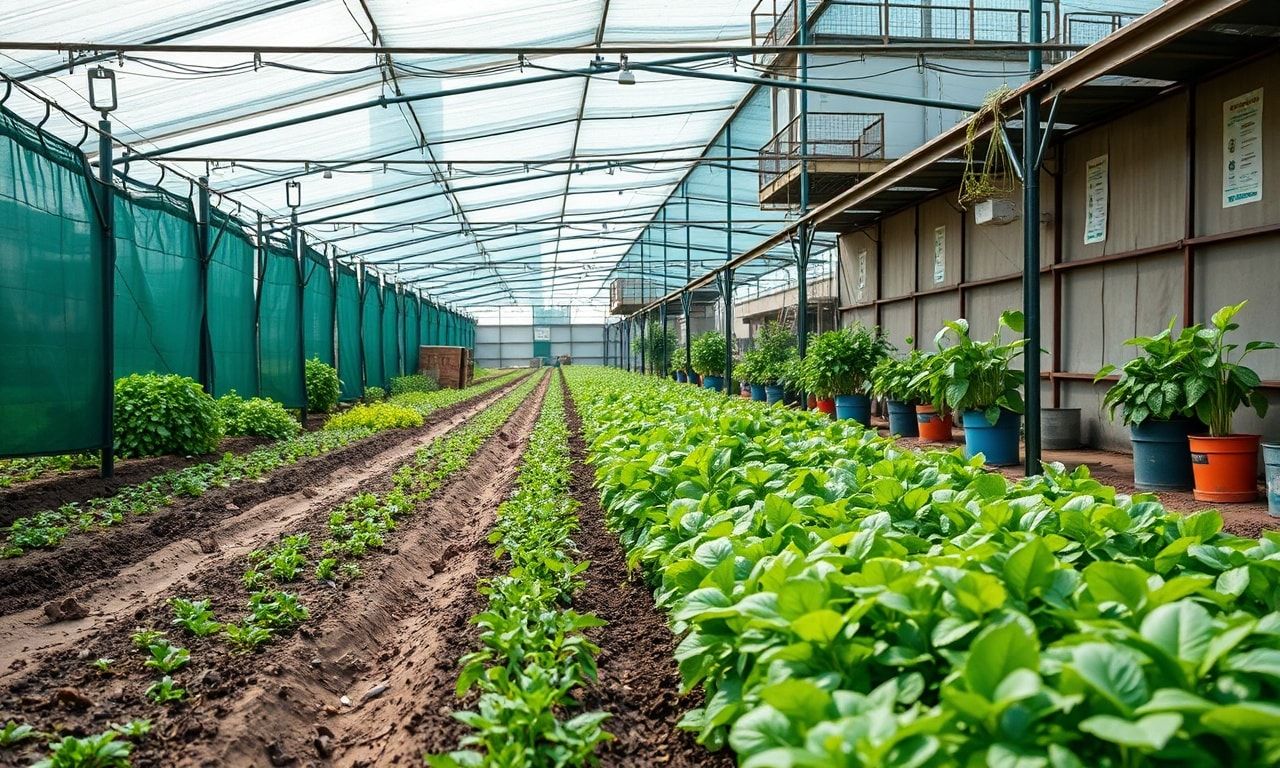
Urban farming is a broad term that encompasses various practices, from rooftop gardens to vertical farms and community gardens. These initiatives are not only providing fresh produce to urban dwellers but also contributing to the local economy and reducing the carbon footprint associated with food transportation. Urban farms are often integrated into community spaces, fostering a sense of connection and shared responsibility among residents. Additionally, urban farming can be a therapeutic activity, offering a respite from the hustle and bustle of city life.
One of the most significant advantages of urban farming is its potential to address food insecurity. By growing food within city limits, urban farmers can provide fresh, nutritious produce to communities that might otherwise lack access to healthy food options. This is particularly important in food deserts, areas where access to affordable and nutritious food is limited. Urban farming initiatives can help bridge this gap, ensuring that all residents have access to the food they need to thrive.
The Role of Technology in Urban Agriculture
Technology plays a crucial role in the success of urban farming. Innovations such as hydroponics, aeroponics, and aquaponics allow farmers to grow crops in controlled environments, maximizing space and resources. These technologies enable year-round production, regardless of external weather conditions, and can significantly reduce water usage compared to traditional farming methods. Additionally, the use of sensors and automation in urban farms helps monitor and optimize growing conditions, ensuring that crops receive the precise amount of light, water, and nutrients they need.
Moreover, technology facilitates the connection between urban farmers and consumers. Platforms that allow direct-to-consumer sales, such as community-supported agriculture (CSA) programs and online marketplaces, enable urban farmers to reach a broader audience. These platforms not only support local economies but also promote transparency and trust between farmers and consumers. By providing detailed information about the origin and growing practices of their produce, urban farmers can build a loyal customer base that values sustainability and quality.
The Impact of Urban Agriculture on Rural Farming
While urban agriculture is gaining momentum, it’s essential to recognize its impact on rural farming. Urban farms can complement rural agriculture by providing a local market for rural produce. For example, urban farmers may source seeds, seedlings, and other inputs from rural farms, creating a symbiotic relationship that benefits both urban and rural communities. This interdependence can help sustain rural economies and ensure the continued viability of traditional farming practices.
Furthermore, urban agriculture can serve as a testing ground for innovative farming techniques and technologies. Successful practices and technologies developed in urban settings can be adapted and scaled for use in rural areas, enhancing productivity and sustainability. For instance, precision agriculture technologies, such as drones and satellite imagery, can be utilized in both urban and rural contexts to optimize resource use and improve crop yields. By fostering collaboration and knowledge-sharing between urban and rural farmers, the agriculture sector can drive innovation and growth.
Balancing Urban and Rural Life
As urban agriculture continues to grow, it’s crucial to strike a balance between urban and rural life. While urban farming offers numerous benefits, it’s essential to recognize the unique challenges faced by rural communities. Rural areas often have limited access to resources, infrastructure, and markets, which can hinder their ability to compete with urban farms. To ensure a sustainable future for both urban and rural agriculture, policymakers, farmers, and consumers must work together to create a supportive and inclusive environment.
One way to achieve this balance is through education and outreach programs that promote agricultural literacy and appreciation for both urban and rural farming practices. By fostering a deeper understanding of the complexities and challenges faced by farmers in both contexts, these programs can help build a more informed and engaged public. Additionally, policies that support rural infrastructure development, access to markets, and investment in technology can help rural farms remain competitive and resilient in the face of urbanization.
The Future of Agriculture: A Collaborative Effort
The future of agriculture lies in collaboration and innovation. By embracing urban farming practices and leveraging technology, we can create a more sustainable and resilient food system that benefits both urban and rural communities. However, this transition requires a collective effort from farmers, policymakers, consumers, and other stakeholders. By working together, we can ensure that agriculture continues to thrive in an increasingly urbanized world.
As we navigate the complexities of modern agriculture, it’s essential to remain open to new ideas and approaches. Whether you’re a seasoned farmer, a tech enthusiast, or simply someone who appreciates the value of fresh, locally grown food, there’s a role for you in shaping the future of agriculture. By embracing the intersection of urban and rural life, we can create a more sustainable and equitable food system that nourishes both people and the planet.
For those seeking a break from the urban farming scene, exploring the vibrant New York nightlife entertainment guide can offer a refreshing change of pace. After all, a balanced life involves not only hard work but also moments of relaxation and enjoyment.