The Importance of Sustainable Agriculture
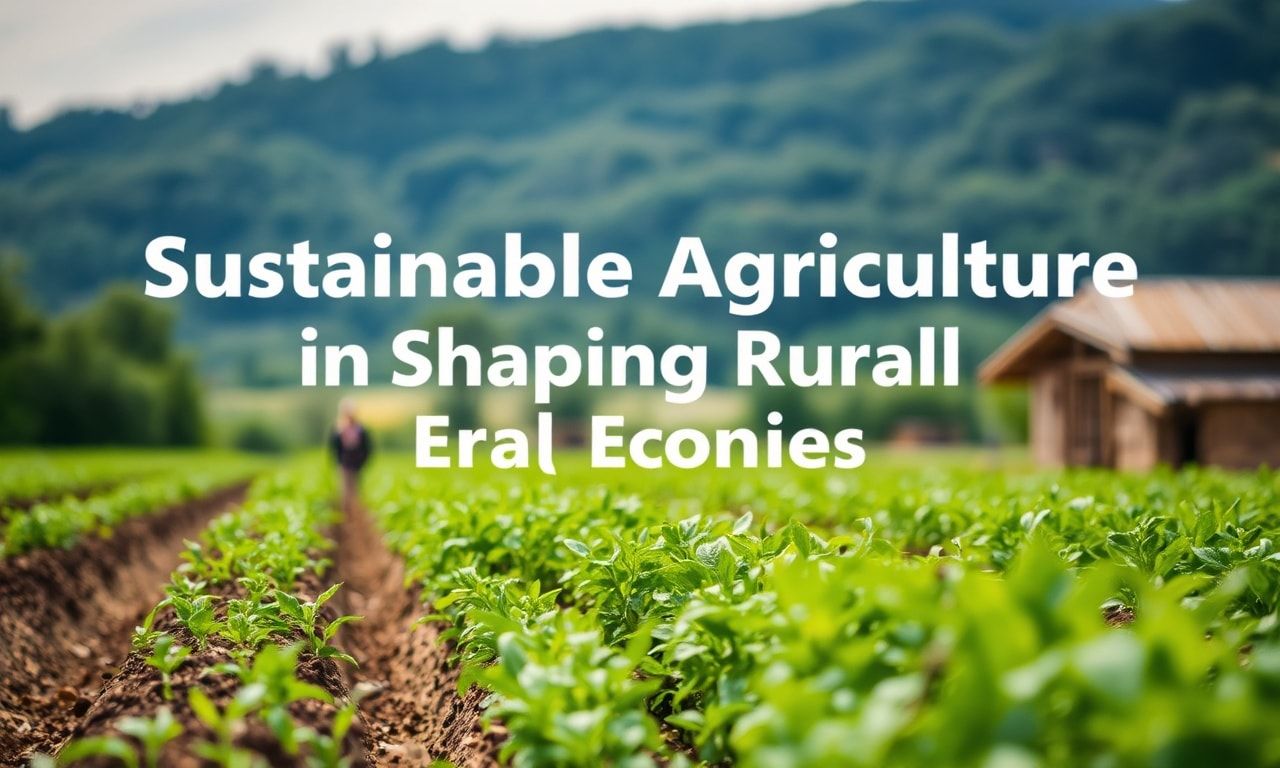
Sustainable agriculture is more than just a buzzword; it’s a critical approach to farming that focuses on producing food in a way that protects the environment, public health, human communities, and animal welfare. As the global population continues to grow, the demand for food increases, making sustainable practices essential for meeting these needs without compromising future generations’ ability to do the same.
In rural areas, sustainable agriculture can play a pivotal role in shaping local economies. By adopting practices that conserve natural resources, reduce pollution, and enhance ecosystem services, farmers can ensure long-term productivity and profitability. This approach not only benefits the environment but also supports the livelihoods of rural communities by creating jobs and fostering economic stability.
Key Practices in Sustainable Agriculture
Several key practices define sustainable agriculture. These include:
- Crop Rotation: Rotating crops helps maintain soil health, reduce erosion, and control pests and diseases.
- Organic Farming: Avoiding synthetic pesticides and fertilizers in favor of natural alternatives promotes biodiversity and reduces environmental impact.
- Agroforestry: Integrating trees with crops and livestock can improve soil fertility, provide shade, and enhance biodiversity.
- Water Management: Efficient irrigation systems and water conservation techniques are crucial for sustainable water use.
- Soil Conservation: Practices like cover cropping and reduced tillage help preserve soil structure and prevent erosion.
Implementing these practices requires knowledge, resources, and sometimes a shift in mindset. However, the long-term benefits for both the environment and the rural economy make it a worthwhile investment.
The Impact on Rural Economies
Sustainable agriculture can significantly impact rural economies by creating new opportunities and stabilizing existing ones. For instance, the demand for organic and locally sourced produce is on the rise, driven by consumers’ growing awareness of health and environmental issues. This trend can open up new markets for farmers who adopt sustainable practices.
Moreover, sustainable agriculture often involves diversifying farm operations, which can lead to increased resilience. Farmers can explore value-added products, agritourism, and direct-to-consumer sales, all of which can contribute to a more robust local economy. Additionally, sustainable practices can reduce input costs over time, as farmers become less reliant on expensive synthetic inputs.
To stay informed about the latest developments and opportunities in sustainable agriculture, farmers can turn to resources like local news coverage update, which provides relevant updates and insights tailored to rural communities.
Challenges and Solutions
Despite the benefits, transitioning to sustainable agriculture is not without its challenges. Farmers may face initial costs, lack of access to resources, and the need for education and training. However, these challenges can be overcome with the right support and strategies.
Government policies and programs can play a crucial role in supporting the transition to sustainable agriculture. Subsidies, grants, and low-interest loans can help farmers cover the initial costs of adopting new practices. Educational programs and extension services can provide the necessary knowledge and skills to implement these practices effectively.
Community involvement is also essential. Local cooperatives, farmer networks, and agricultural extension services can offer practical support and shared learning opportunities. By working together, farmers can share best practices, collaborate on projects, and advocate for policies that support sustainable agriculture.
The Future of Sustainable Agriculture
The future of sustainable agriculture looks promising, with increasing awareness and support from consumers, governments, and international organizations. Innovations in technology, such as precision farming and biotechnology, are making sustainable practices more accessible and efficient.
As the world continues to grapple with climate change, food security, and environmental degradation, sustainable agriculture will play an increasingly vital role. By embracing sustainable practices, rural communities can not only secure their own futures but also contribute to a more sustainable and resilient global food system.
In conclusion, sustainable agriculture is a powerful tool for shaping rural economies. By adopting practices that protect the environment and enhance productivity, farmers can create a more stable and prosperous future for themselves and their communities. With the right support and resources, the transition to sustainable agriculture can be a successful and rewarding journey for all involved.
Ever wondered how celebrity fashion trends might influence sustainable practices in rural communities? Discover the surprising connections in our feature, celebrity culture’s fashion impact.
As farmers and agriculturalists, it’s crucial to stay informed about extreme weather events that could impact crops and rural communities; explore Liverpool’s upcoming weather challenges and their potential implications on sustainability.
To learn about the latest advancements in sustainable agriculture, consider exploring innovative farming technologies and practices that are shaping the future of crop production.