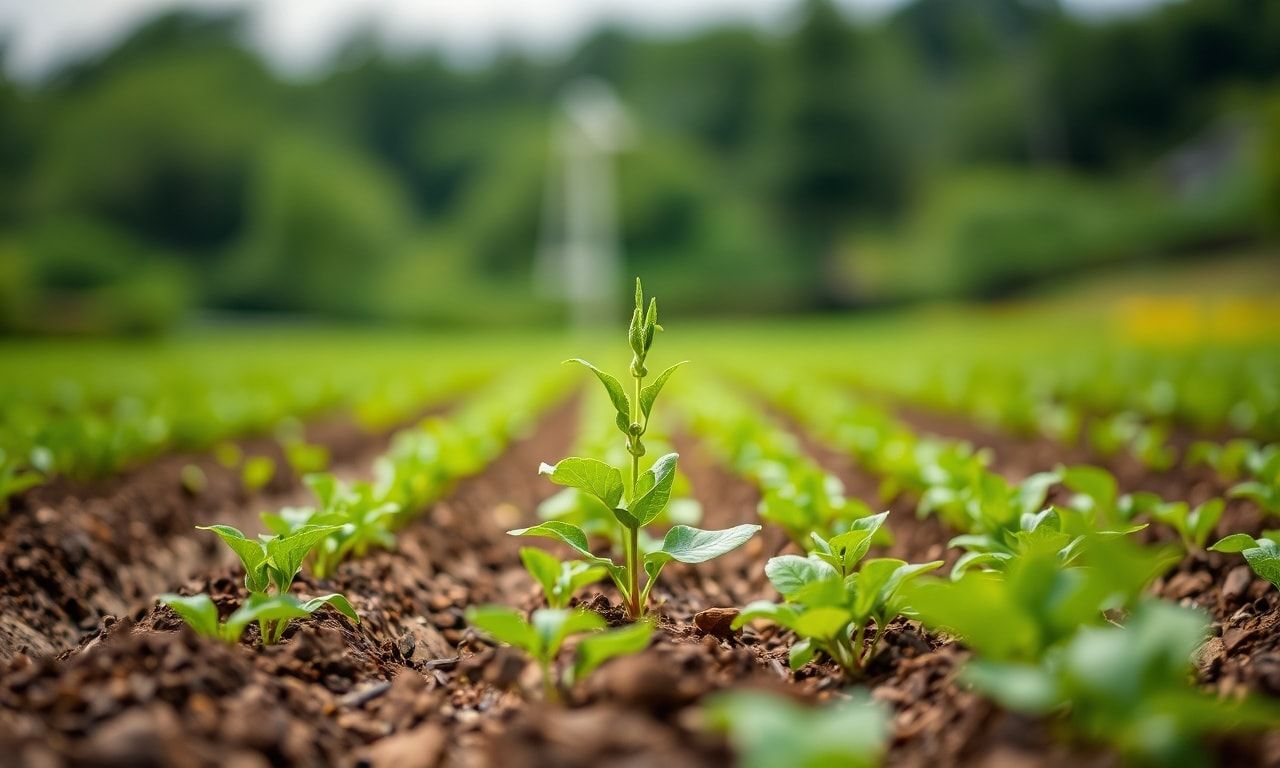
The Importance of Crop Rotation in Modern Agriculture
Crop rotation is a time-honored practice that has been integral to sustainable farming for centuries. This technique involves the sequential planting of different crops on the same plot of land to improve soil health, optimize nutrient use, and enhance overall farm productivity. In an era where agricultural sustainability is paramount, understanding and implementing effective crop rotation strategies is more crucial than ever.
Understanding the Principles of Crop Rotation
The fundamental principle behind crop rotation is to prevent the depletion of soil nutrients and to reduce the buildup of pests and diseases that can target specific crops. By rotating crops, farmers can ensure that the soil is not continuously drained of the same nutrients, thus maintaining its fertility. Additionally, different crops have varying root depths and nutrient requirements, which can help in breaking up the soil and improving its structure.
Types of Crop Rotation Systems
There are several types of crop rotation systems, each with its own benefits and applications:
- Two-Year Rotation: This simple system alternates between two crops, such as corn and soybeans. It is effective but may not fully address soil health issues.
- Three-Year Rotation: Involves three different crops, such as corn, soybeans, and wheat. This system provides more diversity and better nutrient management.
- Four-Year Rotation: Includes four different crops, offering even greater benefits in terms of soil health and pest management. Examples include corn, soybeans, wheat, and alfalfa.
- Complex Rotations: These involve more than four crops and are often tailored to specific regional conditions and farmer needs. They can include cover crops and forage crops to further enhance soil health.
Benefits of Crop Rotation
Implementing a well-planned crop rotation system offers numerous benefits, including:
- Improved Soil Fertility: Different crops have different nutrient requirements and contribute differently to the soil. Legumes, for example, fix nitrogen in the soil, which benefits subsequent crops.
- Pest and Disease Management: Rotating crops disrupts the life cycles of pests and diseases that are specific to certain plants, reducing the need for chemical pesticides and fungicides.
- Enhanced Soil Structure: Varied root systems of different crops help in breaking up compacted soil and improving its structure, which enhances water infiltration and root penetration.
- Increased Yields: Healthier soil and reduced pest pressures lead to higher crop yields and better-quality produce.
- Sustainability: Crop rotation is a key practice in sustainable agriculture, promoting long-term farm productivity and environmental health.
For those interested in lifestyle tips daily improvement, incorporating sustainable agricultural practices like crop rotation can also contribute to a healthier lifestyle and a more resilient environment. For more insights, check out lifestyle tips daily improvement.
Planning Your Crop Rotation
To effectively plan a crop rotation system, consider the following factors:
- Soil Type and Climate: Different crops thrive in different soil types and climates. Understanding your local conditions is crucial for selecting the right crops for rotation.
- Crop Requirements: Each crop has specific nutrient needs and growth patterns. Ensure that the crops you choose complement each other in terms of nutrient use and soil improvement.
- Market Demand: Consider the economic viability of the crops you plan to rotate. Diversifying your crop portfolio can also open up new market opportunities.
- Pest and Disease History: Analyze past pest and disease issues on your farm to identify which crops can help break the cycles of these problems.
Tools and Resources for Crop Rotation Planning
Several tools and resources can aid in planning an effective crop rotation system:
- Soil Testing Kits: These help in understanding the nutrient levels and pH of your soil, guiding you in selecting appropriate crops.
- Crop Rotation Apps: There are numerous apps available that can help you design and manage your crop rotation schedule.
- Local Agricultural Extension Services: These services provide expert advice and resources tailored to your specific region and farming conditions.
- Farmer Networks and Communities: Engaging with other farmers can provide valuable insights and practical tips for successful crop rotation.
Challenges and Solutions in Crop Rotation
While crop rotation offers numerous benefits, it also comes with challenges that farmers need to address:
- Complexity: Managing multiple crops can be complex and require careful planning and record-keeping. Using digital tools and maintaining detailed records can simplify the process.
- Economic Risks: Diversifying crops can sometimes lead to economic risks if market conditions change. Developing a diversified marketing strategy can mitigate these risks.
- Knowledge Gaps: Lack of knowledge about specific crops and their requirements can be a barrier. Continuous learning and seeking expert advice can help bridge these gaps.
By addressing these challenges proactively, farmers can fully harness the benefits of crop rotation and achieve long-term agricultural sustainability.
Conclusion
Crop rotation is a cornerstone of sustainable agriculture, offering a multitude of benefits that enhance soil health, reduce pest and disease pressures, and improve overall farm productivity. By understanding the principles of crop rotation and carefully planning your rotation system, you can contribute to a more resilient and sustainable agricultural future. Embracing this practice not only benefits your farm but also supports the broader goals of environmental stewardship and food security.
As we navigate the challenges of modern agriculture, understanding how technology shapes our society can offer valuable insights for sustainable farming practices; delve into tech’s societal impact in Hong Kong to see how innovation can drive rural progress.
To help you navigate the digital marketplace and reach a wider audience for your agricultural products, consider exploring successful e-commerce strategies for 2023.
To enhance your farming practices and boost crop yields, consider exploring sustainable agriculture techniques that promote long-term productivity and environmental health.