The Importance of Sustainable Farming
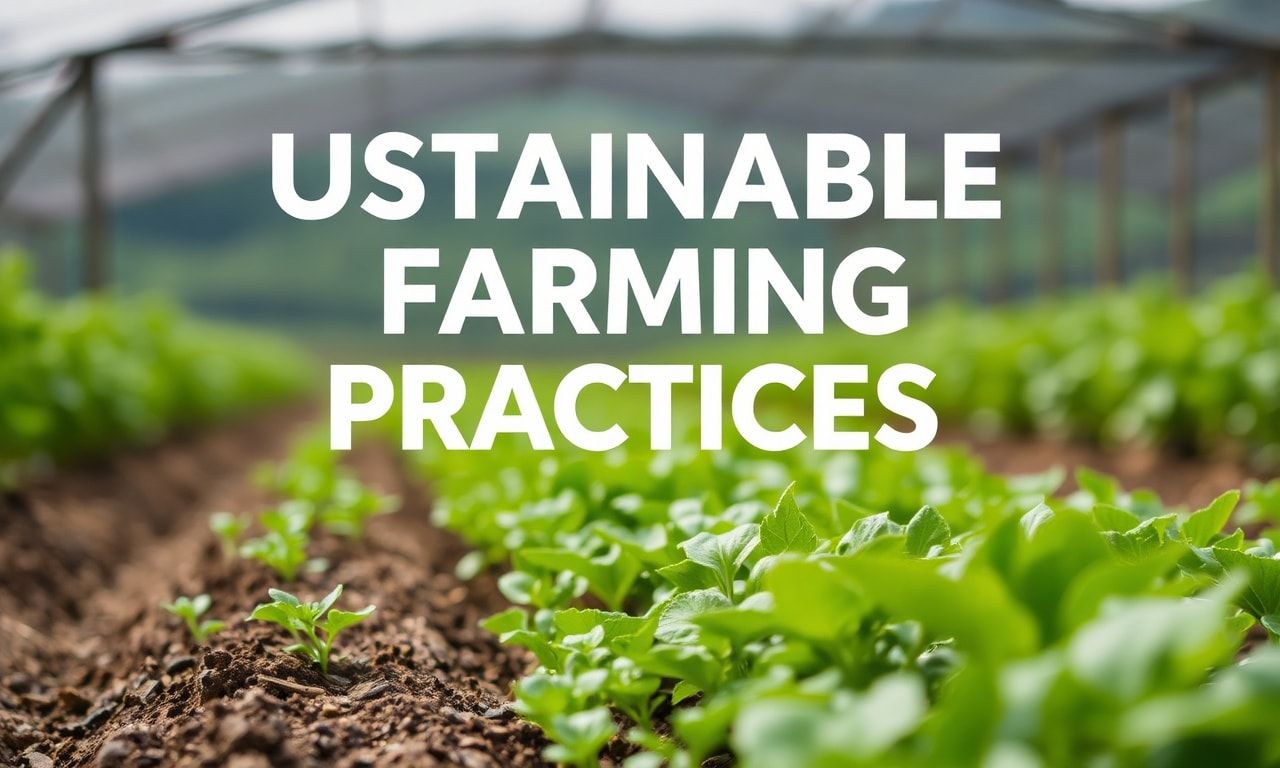
Sustainable farming is not just a trend; it’s a necessity. As the global population continues to grow, the demand for food increases, putting immense pressure on our agricultural systems. Sustainable farming practices aim to meet these demands while preserving the environment, ensuring that future generations can also enjoy the benefits of fertile land and abundant harvests. By adopting sustainable practices, farmers can reduce their environmental impact, improve soil health, and enhance biodiversity, all while maintaining or even increasing their crop yields.
Key Sustainable Farming Practices
There are several key practices that define sustainable farming. These include:
- Crop Rotation: This involves growing different types of crops in the same area in sequential seasons. It helps to maintain soil fertility, reduce pest and disease cycles, and improve soil structure.
- Cover Cropping: Planting cover crops like clover or rye during off-seasons can prevent soil erosion, improve soil health, and suppress weeds.
- Integrated Pest Management (IPM): IPM uses a combination of biological, cultural, physical, and chemical tools to manage pests in an environmentally friendly way.
- Agroforestry: This practice integrates trees with crops and livestock, providing numerous benefits such as improved soil health, increased biodiversity, and enhanced ecosystem services.
The Role of Technology in Sustainable Farming
Technology plays a crucial role in modern sustainable farming. Precision agriculture, for instance, uses GPS, satellite imagery, and sensors to optimize the use of resources like water and fertilizers. This not only reduces waste but also increases efficiency and productivity. Additionally, technologies like drones and automated machinery can help farmers monitor their crops more effectively, allowing for early detection of pests and diseases. Furthermore, the use of renewable energy sources like solar and wind power can significantly reduce the carbon footprint of farming operations.
Balancing Work and Sustainability
Farming is a demanding profession that requires a lot of time and effort. Farmers often find themselves juggling multiple tasks, from planting and harvesting to marketing and selling their produce. In the midst of these responsibilities, it can be challenging to prioritize sustainability. However, it’s essential to remember that sustainable practices can actually save time and resources in the long run. For instance, implementing efficient irrigation systems can reduce water usage and lower utility bills. Similarly, adopting regenerative practices can improve soil health, leading to higher yields and reduced need for chemical inputs.
For those looking to balance work and sustainability, exploring flexible work options can be beneficial. Websites like the sculpture techniques materials guide offer a variety of part-time and remote job opportunities that can provide additional income streams while allowing farmers to maintain their commitment to sustainable practices. By diversifying their income sources, farmers can invest more in sustainable technologies and practices, ultimately benefiting both their operations and the environment.
The Benefits of Sustainable Farming
Sustainable farming offers numerous benefits, both for farmers and the environment. For farmers, sustainable practices can lead to:
- Reduced Input Costs: By using resources more efficiently, farmers can lower their input costs, such as water, fertilizers, and pesticides.
- Increased Resilience: Sustainable farms are often more resilient to climate change and market fluctuations, as they are less dependent on external inputs.
- Improved Soil Health: Healthy soil leads to higher yields and better-quality crops, which can command premium prices in the market.
- Enhanced Biodiversity: Sustainable farms provide habitats for a wide range of species, contributing to overall ecosystem health.
Community and Consumer Benefits
Sustainable farming also benefits the broader community and consumers. By producing food in an environmentally friendly way, farmers contribute to the health and well-being of their communities. Consumers, in turn, benefit from access to fresh, nutritious, and sustainably produced food. Additionally, sustainable farming practices can help to preserve rural landscapes and support local economies, creating a more vibrant and resilient community.
Challenges and Solutions
Despite the numerous benefits, sustainable farming also faces several challenges. These include:
- Initial Investment: The upfront costs of adopting sustainable practices can be high, making it difficult for some farmers to make the transition.
- Knowledge and Training: Farmers may lack the necessary knowledge or training to implement sustainable practices effectively.
- Market Access: Access to markets that value and pay a premium for sustainably produced goods can be limited.
To overcome these challenges, governments, non-profit organizations, and private sector entities can provide support through:
- Financial Incentives: Grants, subsidies, and low-interest loans can help farmers cover the initial costs of adopting sustainable practices.
- Education and Training: Providing farmers with access to education and training programs can equip them with the skills and knowledge they need to succeed.
- Market Development: Supporting the development of markets for sustainably produced goods can create new opportunities for farmers and encourage wider adoption of sustainable practices.
Conclusion
Sustainable farming is a vital component of a healthy and resilient food system. By adopting sustainable practices, farmers can reduce their environmental impact, improve soil health, and enhance biodiversity, all while maintaining or even increasing their crop yields. While challenges exist, the benefits of sustainable farming are numerous and far-reaching, making it a worthwhile investment for farmers, communities, and consumers alike. By working together, we can cultivate a greener, more sustainable future for all.
To discover innovative approaches that balance productivity and environmental stewardship, explore sustainable farming practices today.
For a deeper understanding of this topic, Vermont's Unique Approach to Combating Rural offers valuable insights worth exploring.
To learn about the future of farming and how sustainable practices can benefit both the environment and farmers, consider exploring sustainability in agriculture today.