The Importance of Sustainability in Modern Agriculture
Agriculture, the backbone of human civilization, is undergoing a significant transformation. As the global population grows, so does the demand for food, fiber, and biofuel. However, this increased demand must be met with sustainable practices to ensure the health of our planet and the well-being of future generations. Sustainable agriculture focuses on producing food while preserving the environment, public health, human communities, and animal welfare.
Sustainable farming practices include crop rotation, organic farming, and integrated pest management. These methods not only reduce the environmental impact but also enhance the quality of the soil, which is crucial for long-term agricultural productivity. By adopting these practices, farmers can contribute to a healthier ecosystem and a more resilient food system.
Innovations in Sustainable Farming
The agricultural sector is witnessing a wave of innovations aimed at enhancing sustainability. Precision agriculture, for instance, uses technology such as GPS, sensors, and data analytics to optimize the use of resources like water, fertilizers, and pesticides. This targeted approach reduces waste and improves crop yields, making farming more efficient and environmentally friendly.
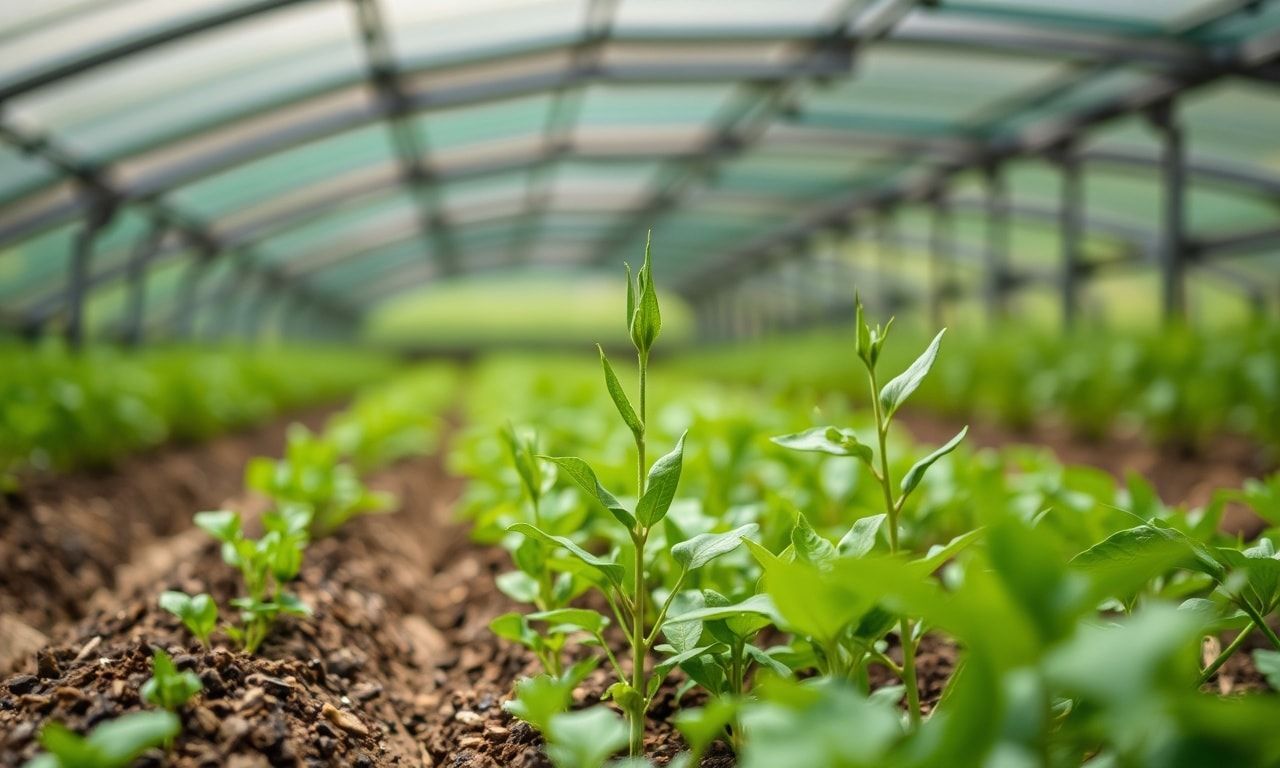
Another notable innovation is vertical farming, which involves growing crops in stacked layers, often in controlled environments like greenhouses or indoor farms. This method uses significantly less water and land compared to traditional farming and can be implemented in urban areas, reducing the carbon footprint associated with transporting food from rural to urban centers.
The Role of Technology in Sustainable Agriculture
Technology plays a pivotal role in advancing sustainable agriculture. Drones, for example, are used for monitoring crop health, assessing soil conditions, and even planting seeds. These aerial devices provide farmers with real-time data, enabling them to make informed decisions and take timely actions to address potential issues.
Additionally, the Internet of Things (IoT) is revolutionizing farming practices. IoT devices, such as soil moisture sensors and weather stations, collect and transmit data that help farmers optimize irrigation, reduce water usage, and improve crop yields. By integrating these technologies, farmers can achieve higher efficiency and sustainability in their operations.
Challenges and Solutions in Sustainable Farming
Despite the numerous benefits of sustainable agriculture, there are several challenges that farmers face. One of the primary challenges is the initial investment required to adopt new technologies and practices. Many small-scale farmers may find it difficult to afford the upfront costs of implementing precision agriculture or vertical farming.
To address this issue, governments and organizations are offering subsidies, grants, and low-interest loans to support farmers in their transition to sustainable practices. Additionally, educational programs and training sessions are being conducted to equip farmers with the necessary knowledge and skills to effectively use new technologies and methods.
Community and Collaboration
Collaboration and community support are essential for the success of sustainable agriculture. Farmers, researchers, policymakers, and consumers must work together to create a sustainable food system. Community-supported agriculture (CSA) programs, for example, connect farmers directly with consumers, providing a stable market for sustainably grown produce and ensuring that farmers receive fair compensation for their efforts.
Moreover, staying informed about the latest developments in agriculture is crucial. For instance, keeping up with latest news updates today summary can provide valuable insights into new policies, technological advancements, and best practices that can benefit farmers and the agricultural community as a whole.
The Future of Sustainable Agriculture
The future of agriculture lies in sustainability. As climate change and resource depletion become increasingly pressing issues, the need for sustainable farming practices becomes more urgent. Innovations in technology, coupled with a collective effort from all stakeholders, can pave the way for a more sustainable and resilient agricultural system.
By embracing sustainable practices, farmers can not only meet the growing demand for food but also protect the environment and ensure the well-being of future generations. The journey towards sustainable agriculture is challenging but rewarding, and with the right support and collaboration, it is achievable.
To learn about the latest advancements in eco-friendly agriculture, explore sustainable farming techniques today that are revolutionizing rural farming practices.
Managing finances is crucial for sustainable farming, and our practical tips for beginners can help you secure your rural future.
To delve deeper into the principles of sustainable agriculture, consider exploring sustainable farming practices and management, a comprehensive guide for modern farmers.