The Importance of Seeds in Agriculture
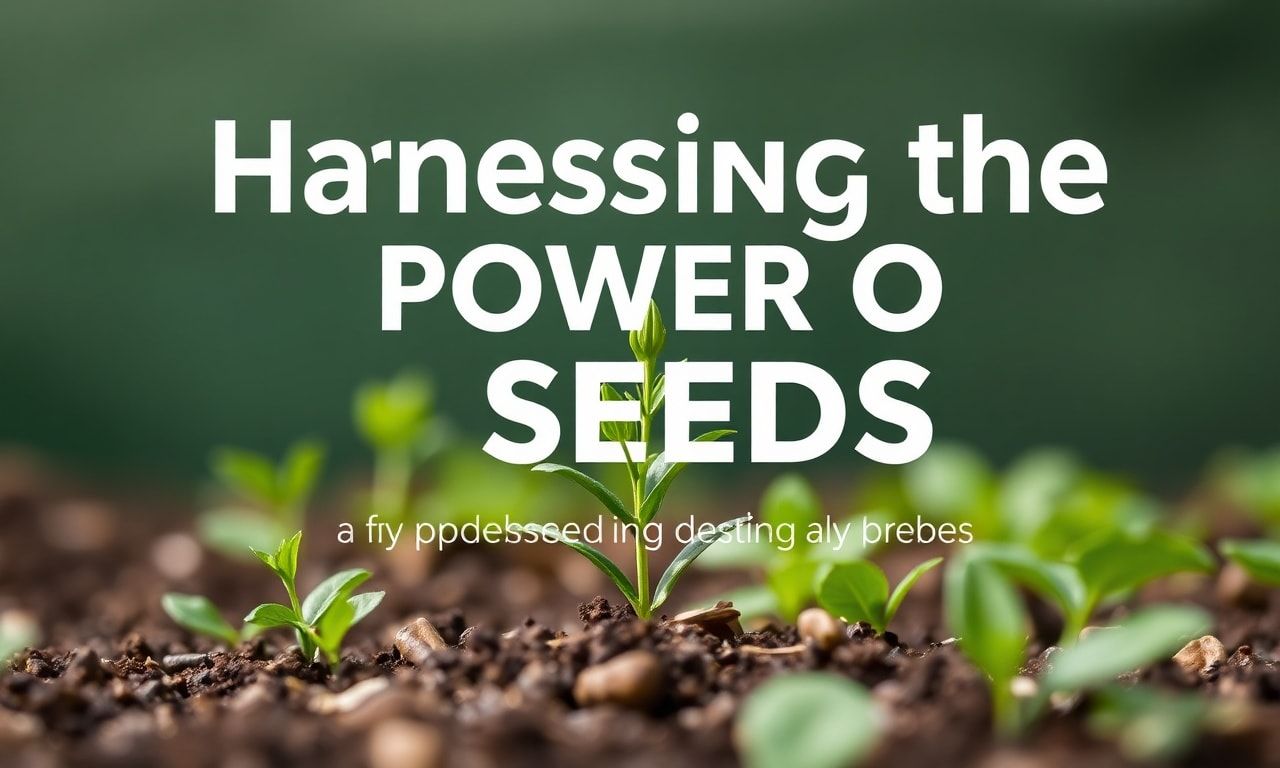
Seeds are the foundation of agriculture, serving as the starting point for all crops. They are the genetic blueprint that determines the quality, yield, and resilience of the plants that will eventually feed the world. Understanding the significance of seeds is crucial for anyone involved in farming, from small-scale farmers to large agricultural enterprises. The right seeds can lead to higher yields, better resistance to pests and diseases, and improved adaptability to changing environmental conditions.
Choosing the Right Seeds for Your Farm
Selecting the appropriate seeds is a critical step in the farming process. Factors to consider include the climate, soil type, and specific needs of your farm. For instance, drought-resistant seeds are ideal for arid regions, while disease-resistant varieties can be a boon in areas prone to specific pathogens. Additionally, the choice between hybrid and heirloom seeds can significantly impact your farm’s long-term sustainability and productivity. Hybrid seeds often offer higher yields and uniformity, while heirloom seeds provide genetic diversity and can be saved for future planting.
Understanding Seed Varieties
There are numerous seed varieties available, each with its unique characteristics. Open-pollinated seeds, for example, are pollinated by insects, birds, wind, or other natural mechanisms. These seeds can be saved and replanted, making them a cost-effective option for farmers. On the other hand, hybrid seeds are created by cross-pollinating two different plant varieties. They often exhibit hybrid vigor, resulting in stronger, more productive plants. However, hybrid seeds cannot be saved and replanted, as their offspring will not exhibit the same traits.
Sustainable Seed Practices
Sustainability is a growing concern in agriculture, and seed practices play a vital role in this area. Sustainable seed practices involve selecting seeds that are well-adapted to local conditions, promoting biodiversity, and ensuring the long-term viability of seed sources. One way to achieve this is by participating in seed-saving initiatives, where farmers save and share seeds from their best-performing plants. This practice not only reduces costs but also helps preserve genetic diversity. Additionally, using organic and non-GMO seeds can contribute to a healthier ecosystem and produce crops that are more in demand by health-conscious consumers.
Seed Saving Techniques
Seed saving is an ancient practice that has gained renewed interest in recent years. It involves collecting seeds from the best-performing plants and storing them for future use. This practice helps farmers maintain control over their seed supply, reduce costs, and preserve genetic diversity. To save seeds effectively, it’s essential to understand the specific requirements of each plant species. For instance, some plants require isolation to prevent cross-pollination, while others need to be harvested at a specific stage of maturity. Resources like the kampalanları kullanıcı el kitabı can provide valuable insights and guidelines for successful seed saving.
Innovations in Seed Technology
The agricultural industry is continually evolving, and seed technology is at the forefront of this innovation. Advances in biotechnology have led to the development of seeds with enhanced traits, such as resistance to pests, diseases, and environmental stressors. Genetically modified (GM) seeds, for example, have been engineered to express specific traits that improve crop performance. While GM seeds have sparked debates regarding their safety and environmental impact, they have also demonstrated significant benefits in terms of yield and pest resistance. Other innovations include the use of marker-assisted selection (MAS) to identify and select desirable traits in plants, and the development of seeds that can thrive in marginal lands.
The Role of Seed Banks
Seed banks play a crucial role in preserving genetic diversity and ensuring the availability of seeds for future generations. These institutions collect, store, and distribute seeds from various plant species, including rare and endangered ones. By maintaining a diverse collection of seeds, seed banks help farmers adapt to changing environmental conditions and develop new crop varieties. They also serve as a valuable resource for research and breeding programs. Participating in seed bank initiatives can provide farmers with access to a wide range of seed varieties and contribute to the global effort to preserve biodiversity.
Conclusion
Seeds are the lifeblood of agriculture, and their proper selection, management, and preservation are essential for sustainable farming. By understanding the importance of seeds, choosing the right varieties, and adopting sustainable practices, farmers can enhance their productivity and contribute to a healthier ecosystem. Embracing innovations in seed technology and participating in seed-saving initiatives can further empower farmers to meet the challenges of the future. As the world’s population continues to grow, the role of seeds in ensuring food security becomes ever more critical. By harnessing the power of seeds, we can cultivate a more sustainable and resilient agricultural future.