The Role of Agriculture in Rural Communities
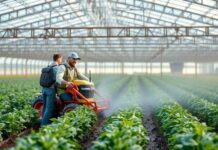
Agriculture is more than just the cultivation of crops and livestock; it is the backbone of rural communities, providing economic stability, food security, and a sense of identity. In many parts of the world, farming is not just a profession but a way of life, passed down through generations. The agricultural sector plays a pivotal role in shaping the social fabric of rural areas, fostering community ties, and promoting sustainable development.
Sustainable Farming Practices
As the global population continues to grow, the demand for food increases, making sustainable farming practices more crucial than ever. Sustainable agriculture focuses on methods that protect the environment, conserve natural resources, and ensure the long-term viability of farming. Techniques such as crop rotation, organic farming, and integrated pest management are essential for maintaining soil health and reducing the environmental impact of agriculture. By adopting these practices, farmers can produce high-quality crops while preserving the ecosystem for future generations.
In addition to environmental benefits, sustainable farming can also improve the economic prospects of rural communities. By reducing input costs and increasing crop yields, farmers can achieve higher profitability. Moreover, sustainable practices often align with consumer preferences for organic and locally sourced produce, opening up new market opportunities. Communities that embrace sustainable agriculture can create a more resilient and prosperous future for their residents.
Community Engagement and Agriculture
Community engagement is a vital aspect of rural life, and agriculture often serves as a unifying force. Local farmers’ markets, agricultural fairs, and cooperative farming initiatives bring people together, fostering a sense of camaraderie and mutual support. These events provide opportunities for farmers to showcase their produce, share knowledge, and build relationships with their neighbors. Furthermore, community engagement in agriculture can lead to innovative solutions for local challenges, such as food insecurity and economic development.
For instance, community-supported agriculture (CSA) programs allow consumers to invest in local farms by purchasing shares of the harvest in advance. This model not only provides farmers with a steady income but also ensures that community members have access to fresh, locally grown produce. By strengthening the connection between farmers and consumers, CSAs contribute to a more sustainable and resilient food system.
The Importance of Education and Innovation
Education and innovation are key drivers of progress in the agricultural sector. As technology advances, farmers have access to new tools and techniques that can enhance productivity and sustainability. Precision agriculture, for example, uses data analytics and GPS technology to optimize crop management, reducing waste and improving yields. Similarly, advancements in biotechnology have led to the development of drought-resistant and pest-resistant crop varieties, helping farmers adapt to changing environmental conditions.
Education plays a crucial role in equipping the next generation of farmers with the skills and knowledge needed to succeed in a rapidly evolving industry. Agricultural education programs, vocational training, and extension services provide valuable resources for farmers, enabling them to adopt best practices and stay informed about industry trends. By investing in education and innovation, rural communities can ensure the continued growth and prosperity of their agricultural sectors.
Balancing Work and Community Life
Farming is a demanding profession that requires long hours and dedication. However, it is essential for farmers to find a balance between work and community life. Participating in local events, joining community organizations, and engaging in recreational activities can help farmers maintain a healthy work-life balance. For example, joining a local basketball league can provide a fun and competitive outlet, allowing farmers to unwind and connect with their peers. Keeping up with the basketball league standings update can add an element of excitement and camaraderie to the community.
Moreover, community involvement can lead to personal growth and professional development. By networking with other farmers and community members, individuals can gain new insights, share experiences, and collaborate on projects that benefit the entire community. Whether through agricultural cooperatives, community gardens, or local governance, active participation in community life can enrich the lives of farmers and contribute to the overall well-being of rural areas.
Conclusion
Agriculture is a cornerstone of rural communities, providing economic stability, food security, and a sense of identity. By adopting sustainable farming practices, engaging in community initiatives, and embracing education and innovation, rural communities can build a more resilient and prosperous future. Balancing work and community life is essential for the well-being of farmers and the vitality of rural areas. Through collective effort and collaboration, agriculture can continue to thrive, nurturing both crops and communities.
While farming and sports may seem worlds apart, the connection between mental health and performance is universal; explore this fascinating topic in mental health’s impact on performance.
To foster a thriving rural community and enhance local sustainability, consider the benefits outlined in community events for rural well-being.
To ensure sustainable farming practices and protect biodiversity, it’s crucial to understand the recent changes in animal conservation laws. Discover what’s new in Turkey’s animal protection legislation by reading Turkey’s updated animal safeguards.