The Importance of Sustainable Farming
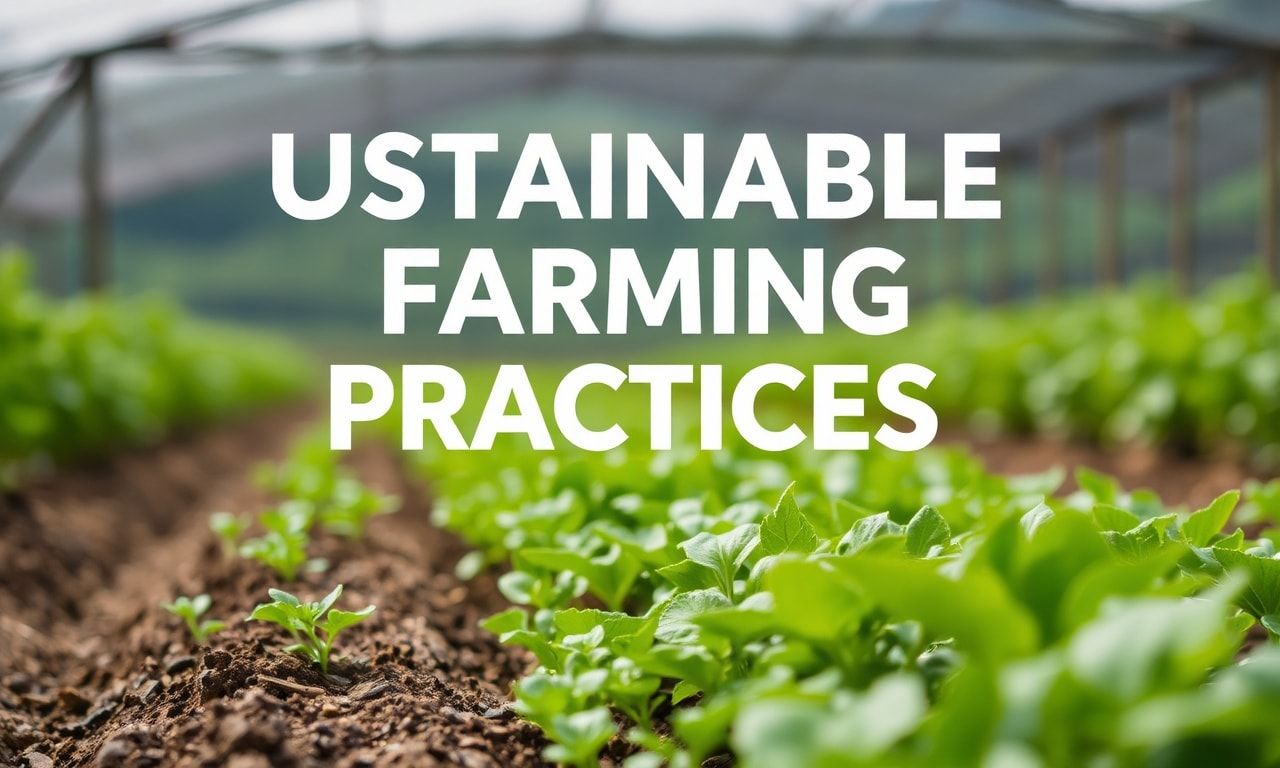
Sustainable farming is more than just a buzzword; it’s a critical approach to agriculture that focuses on long-term environmental health, economic profitability, and social responsibility. As the global population continues to grow, the demand for food increases, making it essential to adopt farming practices that can meet these needs without compromising the ability of future generations to do the same. Sustainable farming practices aim to protect the environment, conserve natural resources, and promote biodiversity, all while ensuring that farmers can maintain their livelihoods.
In recent years, there has been a significant shift towards sustainable agriculture, driven by concerns about climate change, soil degradation, and water scarcity. Farmers are increasingly recognizing the importance of adopting practices that not only improve their yields but also contribute to the overall health of the ecosystem. This shift is not only beneficial for the environment but also for the farmers themselves, as sustainable practices can lead to reduced input costs, improved soil fertility, and enhanced resilience to environmental stresses.
Key Sustainable Farming Practices
There are several key practices that characterize sustainable farming. These include:
- Crop Rotation: Rotating crops helps to maintain soil fertility, reduce erosion, and control pests and diseases. It also promotes biodiversity by providing different habitats for various species.
- Cover Cropping: Planting cover crops during off-seasons helps to protect the soil from erosion, improve soil structure, and enhance water retention. Cover crops also add organic matter to the soil, which can improve its fertility.
- Integrated Pest Management (IPM): IPM is an approach that uses a combination of biological, cultural, physical, and chemical methods to control pests. This approach minimizes the use of chemical pesticides, which can harm beneficial insects and pollinators.
- Agroforestry: Integrating trees into farming systems can provide numerous benefits, including improved soil health, enhanced biodiversity, and increased carbon sequestration. Trees can also provide shade and windbreaks, which can help to protect crops from extreme weather conditions.
- Water Conservation: Implementing water conservation practices, such as drip irrigation and rainwater harvesting, can help to reduce water usage and improve water efficiency. This is particularly important in regions where water scarcity is a major concern.
The Role of Technology in Sustainable Farming
Technology plays a crucial role in promoting sustainable farming practices. Advances in precision agriculture, for example, allow farmers to monitor and manage their crops more efficiently, reducing the need for inputs such as water, fertilizers, and pesticides. Drones, sensors, and satellite imagery can provide real-time data on crop health, soil moisture, and weather conditions, enabling farmers to make informed decisions and optimize their resources.
In addition to precision agriculture, other technologies such as vertical farming and hydroponics are gaining traction as sustainable alternatives to traditional farming methods. These technologies allow for year-round production, reduced water usage, and minimal land requirements, making them ideal for urban and peri-urban areas. Furthermore, the use of renewable energy sources, such as solar and wind power, can help to reduce the carbon footprint of farming operations, contributing to a more sustainable future.
Staying Informed: The Importance of Local News Updates for Today
Staying informed about the latest developments in sustainable farming is essential for farmers and agriculture enthusiasts alike. Keeping up with local news updates for today can provide valuable insights into new technologies, policies, and best practices that can help farmers improve their operations and contribute to a more sustainable future. Whether it’s through online forums, agricultural publications, or local news outlets, accessing timely and relevant information can make a significant difference in the success and sustainability of farming practices.
Challenges and Opportunities in Sustainable Farming
While sustainable farming offers numerous benefits, it also presents certain challenges. One of the main challenges is the initial investment required to adopt new practices and technologies. For many small-scale farmers, the upfront costs can be prohibitive, making it difficult to transition to more sustainable methods. Additionally, there may be a lack of knowledge or expertise in implementing these practices, which can hinder their adoption.
However, there are also many opportunities in sustainable farming. Governments and non-governmental organizations are increasingly providing financial incentives, training programs, and technical support to help farmers adopt sustainable practices. Furthermore, the growing demand for organic and locally produced food presents a significant market opportunity for farmers who can meet these requirements. By embracing sustainable farming practices, farmers can not only contribute to environmental conservation but also tap into new markets and enhance their economic prospects.
Conclusion
Sustainable farming is a vital approach to agriculture that balances environmental, economic, and social considerations. By adopting practices such as crop rotation, cover cropping, integrated pest management, agroforestry, and water conservation, farmers can improve soil health, enhance biodiversity, and reduce their environmental impact. Technology also plays a crucial role in promoting sustainability, with precision agriculture, vertical farming, and renewable energy sources offering innovative solutions to traditional challenges.
While there are challenges in transitioning to sustainable farming, the opportunities are numerous. With the right support and resources, farmers can overcome these challenges and contribute to a more sustainable and resilient agricultural sector. By staying informed through local news updates for today and other reliable sources, farmers can access the latest information and best practices, ensuring that they are well-equipped to meet the demands of a growing population while protecting the environment for future generations.
You may also find El Impacto de la Moda en helpful as it covers related aspects of this subject.