The Importance of Sustainable Farming
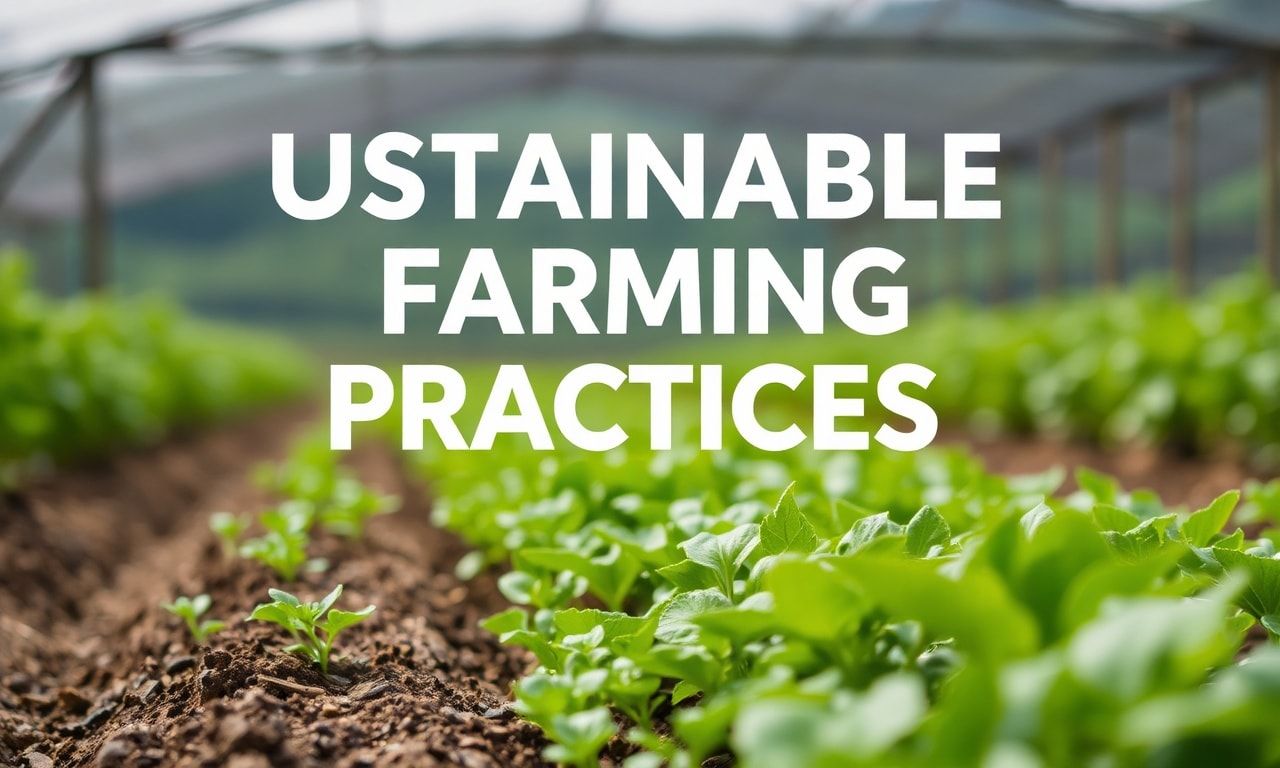
Sustainable farming is not just a trend; it’s a necessity. With the global population expected to reach 9.7 billion by 2050, the demand for food will increase significantly. Sustainable farming practices aim to meet this demand while minimizing environmental impact. These practices focus on preserving natural resources, reducing pollution, and maintaining the health of the soil, all of which are crucial for long-term agricultural success.
Key Principles of Sustainable Farming
Sustainable farming is built on several key principles:
- Soil Health: Healthy soil is the foundation of sustainable agriculture. Practices like crop rotation, cover cropping, and reduced tillage help maintain soil fertility and structure.
- Water Management: Efficient water use is critical. Techniques such as drip irrigation and rainwater harvesting can significantly reduce water waste.
- Biodiversity: Promoting biodiversity helps create resilient ecosystems. This can be achieved through agroforestry, intercropping, and creating wildlife habitats.
- Waste Reduction: Minimizing waste through composting, recycling, and efficient use of resources is essential for sustainability.
- Energy Efficiency: Using renewable energy sources and energy-efficient machinery can reduce the carbon footprint of farming operations.
Innovative Approaches to Sustainable Farming
Innovation is at the heart of sustainable farming. Farmers are increasingly adopting new technologies and methods to improve efficiency and reduce environmental impact. For instance, precision agriculture uses GPS and satellite imagery to optimize crop management. This technology allows farmers to apply water, fertilizers, and pesticides more precisely, reducing waste and improving yields.
Another innovative approach is the use of biofertilizers and biopesticides. These natural alternatives to chemical fertilizers and pesticides are safer for the environment and can improve soil health. Additionally, integrating livestock into crop farming systems can create a more sustainable and self-sufficient farm ecosystem. This practice, known as integrated farming, can help recycle nutrients and reduce the need for external inputs.
The Role of Education and Community
Education plays a crucial role in promoting sustainable farming practices. Farmers need access to information and training to adopt new techniques and technologies. Community involvement is also essential. Local communities can support sustainable farming through initiatives like community-supported agriculture (CSA) and farmers’ markets. These initiatives not only provide farmers with a stable income but also help educate consumers about the importance of sustainable practices.
Moreover, sharing knowledge and experiences among farmers can foster a culture of continuous improvement. Platforms like öz bakım rutini günlük fikirler offer valuable insights and daily tips that can help farmers maintain their routines and adopt sustainable practices. By working together, farmers and communities can create a more sustainable and resilient agricultural system.
Challenges and Solutions
Despite the benefits, sustainable farming faces several challenges. One of the main obstacles is the initial cost of adopting new technologies and practices. However, long-term benefits such as reduced input costs, improved yields, and better market access can outweigh these initial investments. Government subsidies and grants can also help farmers transition to sustainable practices.
Another challenge is the lack of awareness and resistance to change. Education and outreach programs can help address this issue by providing farmers with the knowledge and skills they need to adopt sustainable practices. Collaboration between farmers, researchers, and policymakers is essential to overcome these challenges and promote sustainable farming.
Conclusion
Sustainable farming is not just about meeting the food demands of a growing population; it’s about preserving the environment for future generations. By adopting sustainable practices, farmers can improve their productivity, reduce costs, and contribute to a healthier planet. The journey towards sustainability requires innovation, education, and community support. Together, we can cultivate a greener future for all.
As you focus on growing your agricultural business, don’t forget the importance of creating an inviting online space for your customers; discover how with design trends for online stores.
To learn about the latest advancements in eco-friendly farming, explore sustainable agriculture practices today and how they can benefit your crops.