The Importance of Sustainable Farming
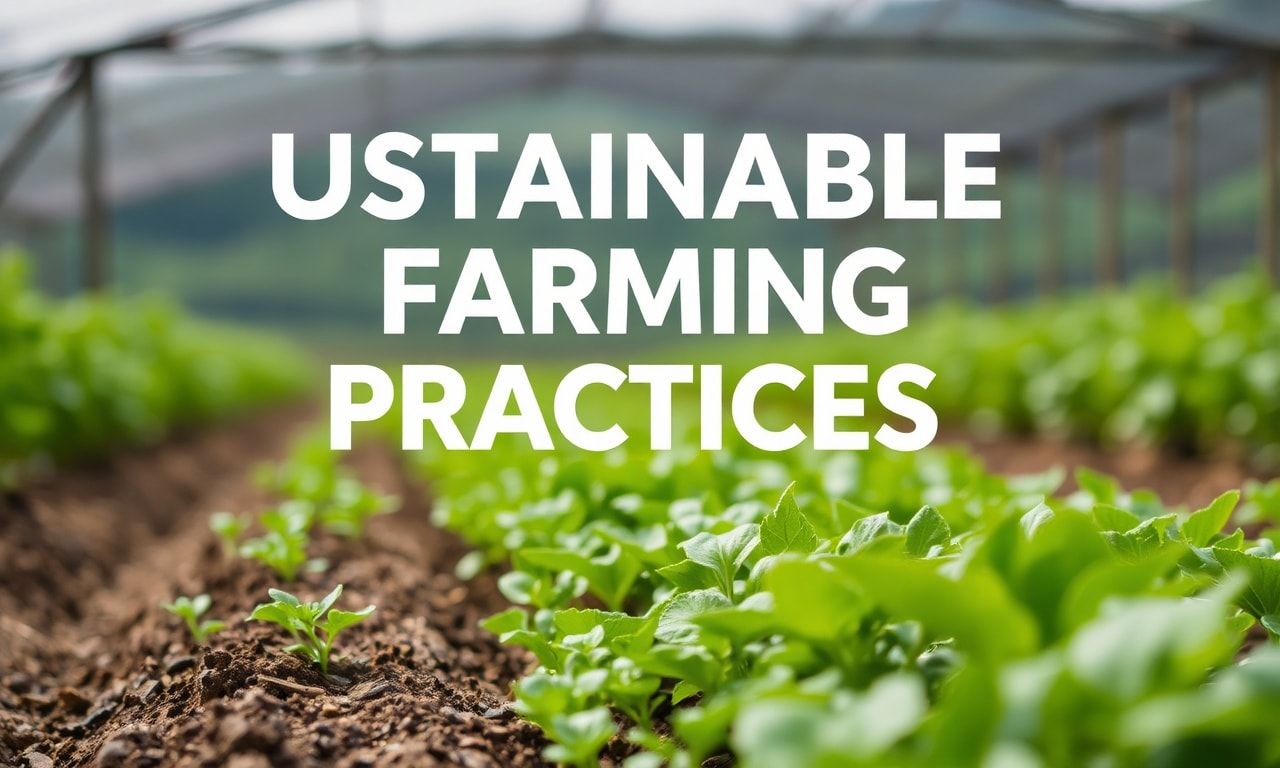
In an era where climate change and environmental degradation are at the forefront of global concerns, sustainable farming practices have become more crucial than ever. Agriculture, while essential for feeding the world’s population, is also a significant contributor to environmental issues such as deforestation, soil degradation, and greenhouse gas emissions. By adopting sustainable practices, farmers can mitigate these impacts while ensuring long-term productivity and profitability.
Key Sustainable Farming Practices
Sustainable farming encompasses a variety of techniques and strategies aimed at preserving natural resources and promoting ecological balance. Here are some key practices that farmers can adopt:
Crop Rotation
Crop rotation is a time-honored practice that involves growing different crops in the same area in sequential seasons. This method helps to maintain soil fertility, reduce erosion, and control pests and diseases. By rotating crops, farmers can also diversify their income streams and reduce the risk of crop failure due to pests or disease outbreaks.
Organic Farming
Organic farming focuses on using natural processes and materials to maintain soil health and productivity. This includes the use of compost, green manure, and biological pest control methods. Organic farming not only reduces the reliance on synthetic chemicals but also promotes biodiversity and improves soil structure.
Conservation Tillage
Conservation tillage involves minimizing soil disturbance during planting and harvesting. This practice helps to reduce soil erosion, improve water retention, and enhance soil biodiversity. Techniques such as no-till farming, strip-till, and mulch-till are examples of conservation tillage that can be adopted by farmers.
Agroforestry
Agroforestry is the practice of integrating trees with crops and livestock. This approach can improve soil health, provide shade and windbreaks, and enhance biodiversity. Trees can also act as carbon sinks, helping to mitigate climate change. Agroforestry systems can be tailored to specific regional conditions and farmer needs, making them a versatile and sustainable option.
The Role of Technology in Sustainable Farming
Advancements in technology have opened up new possibilities for sustainable farming. Precision agriculture, for instance, uses GPS, sensors, and data analytics to optimize the use of resources such as water, fertilizers, and pesticides. This targeted approach not only reduces waste but also improves crop yields and profitability. Additionally, technologies like drones and satellite imagery can help farmers monitor crop health and detect early signs of pest infestations or disease outbreaks.
For those looking to invest in agricultural technology, a product reviews recommendation guide can be an invaluable resource. These guides provide insights into the latest tools and equipment, helping farmers make informed decisions that align with their sustainability goals.
Challenges and Solutions in Sustainable Farming
While the benefits of sustainable farming are clear, there are several challenges that farmers may face. These include initial investment costs, lack of knowledge and training, and market access. However, there are solutions to these challenges:
- Financial Support: Governments and non-profit organizations offer grants, subsidies, and low-interest loans to support farmers in transitioning to sustainable practices.
- Education and Training: Agricultural extension services, workshops, and online courses can provide farmers with the knowledge and skills needed to implement sustainable practices effectively.
- Market Access: Farmers’ markets, community-supported agriculture (CSA) programs, and direct-to-consumer sales can help farmers access new markets and receive premium prices for their sustainably produced goods.
The Future of Sustainable Farming
The future of sustainable farming looks promising, with increasing awareness and support from consumers, policymakers, and the private sector. As technology continues to advance, farmers will have access to more tools and resources to enhance their sustainability efforts. By embracing these practices, farmers can not only contribute to a healthier planet but also ensure the long-term viability of their operations.
In conclusion, sustainable farming is not just a trend but a necessity for the future of agriculture. By adopting practices that prioritize environmental stewardship, farmers can create a greener, more resilient food system that benefits everyone.
As technology continues to reshape agriculture, discover what innovations are on the horizon with our latest feature, tech trends transforming farming.
To effectively reach today’s tech-savvy farming community, consider exploring digital marketing trends in agriculture and how they can boost your crop sustainability initiatives.
As we consider the broader implications of global stability on agricultural sustainability, take a moment to explore defense spending trends worldwide and their potential impact on rural economies.