The Importance of Sustainable Farming
Sustainable farming is not just a trend; it’s a necessity. As the global population continues to grow, the demand for food increases exponentially. Traditional farming methods, while effective, often lead to soil degradation, water scarcity, and environmental pollution. Sustainable farming practices aim to address these issues by promoting methods that are environmentally friendly, economically viable, and socially responsible.
At Chiaseed.net, we believe that sustainable farming is the key to a greener future. By adopting practices that conserve natural resources, reduce waste, and promote biodiversity, farmers can ensure that their operations are not only profitable but also sustainable in the long run.
Key Sustainable Farming Practices
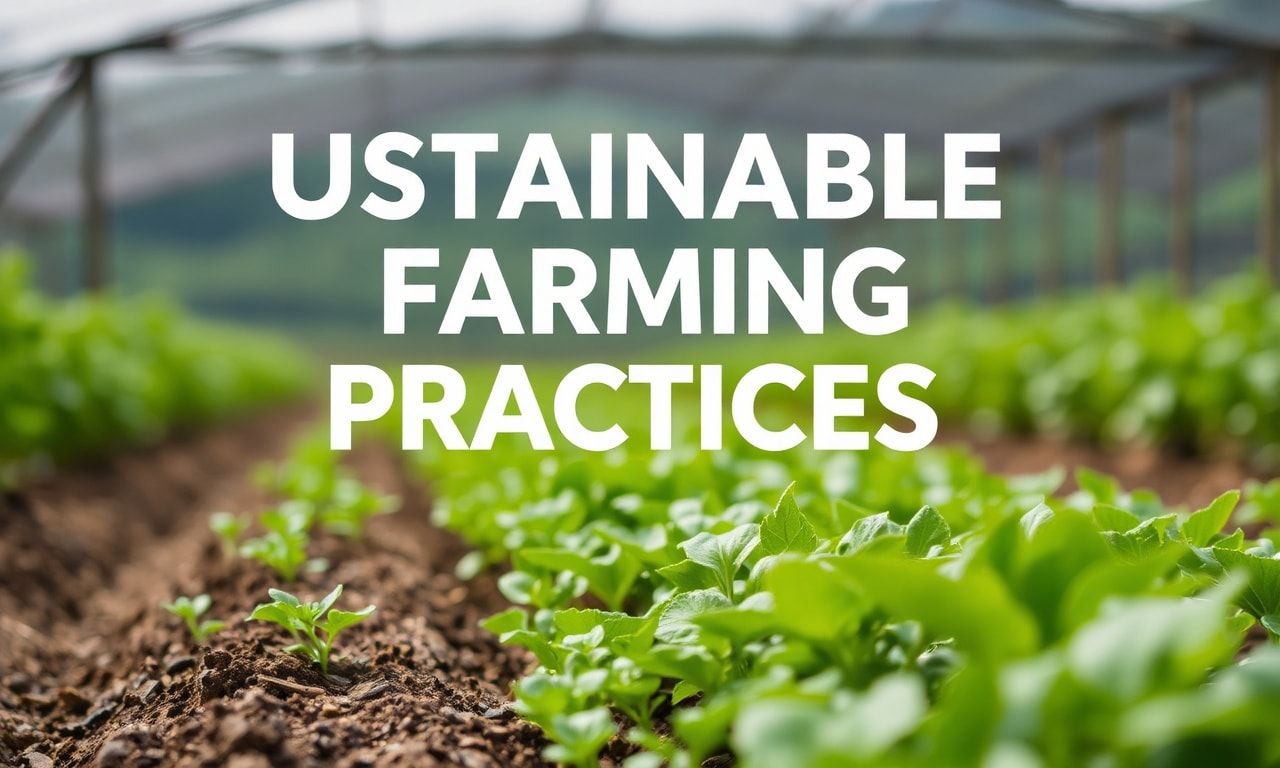
There are several sustainable farming practices that farmers can adopt to minimize their environmental impact and maximize their yields. Some of these practices include:
- Crop Rotation: Rotating crops helps to maintain soil health, reduce pests and diseases, and improve soil fertility.
- Cover Cropping: Planting cover crops during off-seasons helps to prevent soil erosion, improve soil structure, and enhance water retention.
- Integrated Pest Management (IPM): IPM involves using a combination of biological, cultural, physical, and chemical methods to manage pests in an environmentally friendly manner.
- Organic Farming: Organic farming avoids the use of synthetic fertilizers and pesticides, relying instead on natural methods to maintain soil health and control pests.
- Agroforestry: Integrating trees into farming systems can improve soil health, provide habitat for wildlife, and diversify farm income.
Implementing these practices can significantly reduce the environmental footprint of farming operations while also improving long-term productivity.
The Role of Technology in Sustainable Farming
Technology plays a crucial role in modern sustainable farming. Advances in precision agriculture, for example, allow farmers to use data and technology to optimize the use of resources such as water, fertilizers, and pesticides. Drones, sensors, and GPS technology can help farmers monitor their fields more effectively, reducing waste and improving yields.
Additionally, the use of renewable energy sources such as solar and wind power can help farmers reduce their carbon footprint and lower their energy costs. By investing in these technologies, farmers can make their operations more sustainable and resilient to climate change.
For those interested in diversifying their income streams, exploring opportunities in the financial sector can also be beneficial. For instance, learning about Indian stock market tips for beginners can provide valuable insights into investing and managing financial resources effectively.
Economic Benefits of Sustainable Farming
Sustainable farming practices can also bring significant economic benefits to farmers. By reducing input costs and improving yields, farmers can increase their profitability. Additionally, sustainable farming practices can open up new markets for farmers, as consumers increasingly demand sustainably produced food.
Governments and non-governmental organizations often provide incentives and subsidies for farmers who adopt sustainable practices. These incentives can help offset the initial costs of transitioning to more sustainable methods and make sustainable farming more accessible to all farmers.
Challenges and Solutions
Despite the numerous benefits of sustainable farming, there are also challenges that farmers may face. These challenges can include:
- Initial Costs: The upfront costs of adopting new technologies and practices can be a barrier for some farmers.
- Knowledge Gaps: Farmers may lack the knowledge or training needed to implement sustainable practices effectively.
- Market Access: Farmers may struggle to access markets that value sustainably produced goods.
To overcome these challenges, farmers can seek out resources and support from organizations that specialize in sustainable agriculture. Collaborating with other farmers, attending workshops and training sessions, and utilizing online resources can all help farmers to adopt sustainable practices more effectively.
Conclusion
Sustainable farming is essential for ensuring the long-term viability of agriculture and the health of our planet. By adopting sustainable practices, farmers can reduce their environmental impact, improve their yields, and increase their profitability. At Chiaseed.net, we are committed to promoting sustainable farming practices and supporting farmers in their transition to more sustainable methods.
As we look to the future, it is clear that sustainable farming will play a crucial role in addressing the challenges of climate change, food security, and environmental degradation. By working together, farmers, policymakers, and consumers can create a more sustainable and resilient food system that benefits us all.
To delve deeper into the future of farming, explore sustainable agriculture foundations and innovations that are shaping the industry.
To ensure your farming business thrives financially, consider exploring personal finance management tips tailored for rural entrepreneurs.
If you enjoyed this article, we recommend checking out Die faszinierende Welt des Sports: Ein for further reading.