The Importance of Sustainable Agriculture
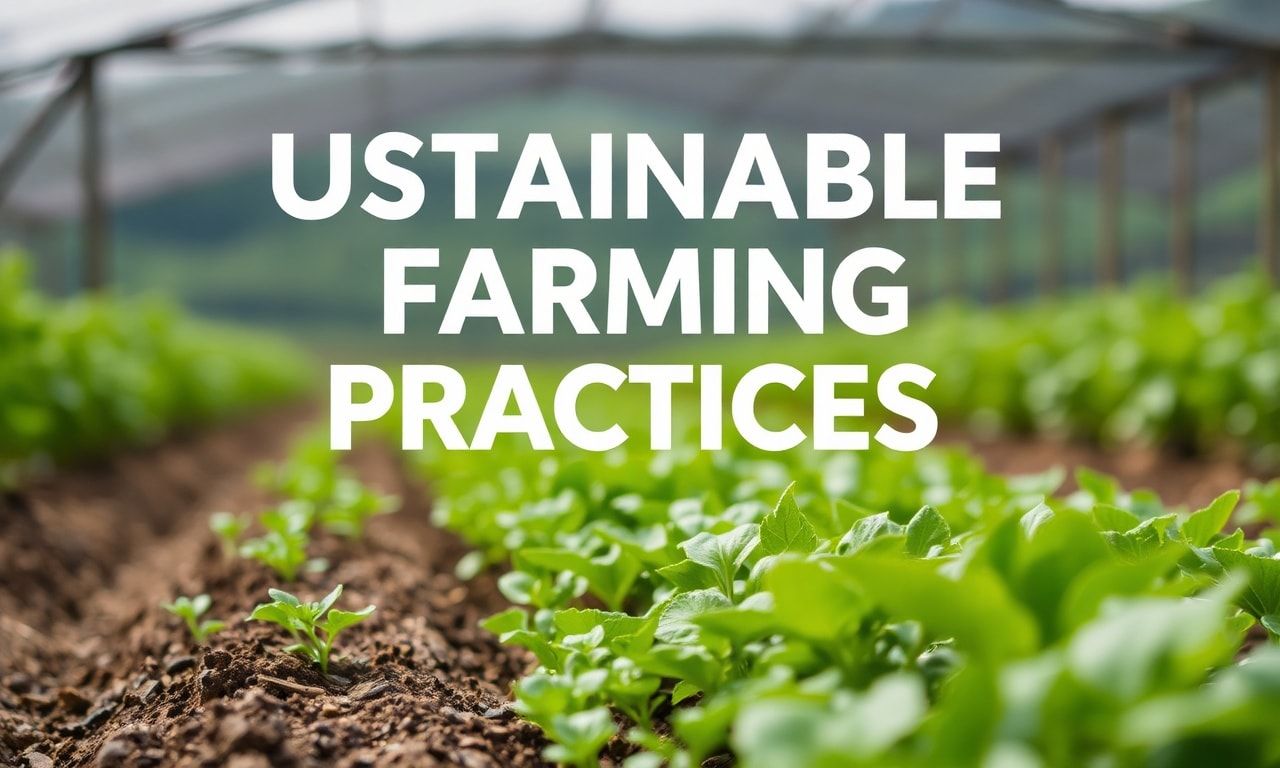
Sustainable agriculture is not just a buzzword; it’s a necessity for the future of our planet. As the global population continues to grow, the demand for food increases, putting immense pressure on our agricultural systems. Sustainable farming practices aim to meet this demand while minimizing environmental impact, ensuring that we can feed future generations without compromising the health of our planet.
Sustainable agriculture encompasses a wide range of practices, from crop rotation and organic farming to integrated pest management and water conservation. These methods not only help to preserve our natural resources but also promote biodiversity, improve soil health, and reduce pollution. By adopting sustainable practices, farmers can create a more resilient and productive agricultural system that benefits both people and the environment.
Crop Rotation: A Cornerstone of Sustainable Farming
Crop rotation is one of the most fundamental sustainable farming practices. This technique involves growing different crops in the same area in sequential seasons. By rotating crops, farmers can improve soil structure, enhance nutrient availability, and reduce the buildup of pests and diseases. Different crops have different nutrient requirements and contribute different organic matter to the soil, which helps to maintain soil fertility and reduce the need for synthetic fertilizers.
Moreover, crop rotation can help to break pest and disease cycles. Many pests and pathogens are crop-specific, meaning they only affect certain types of plants. By rotating crops, farmers can disrupt these cycles and reduce the need for chemical pesticides. This not only benefits the environment but also improves the quality and safety of our food.
Organic Farming: Nurturing the Soil and the Environment
Organic farming is another key aspect of sustainable agriculture. This practice involves growing crops without the use of synthetic pesticides, herbicides, or fertilizers. Instead, organic farmers rely on natural methods to control pests and diseases and to nourish the soil. These methods include composting, green manuring, and the use of beneficial insects and microorganisms.
Organic farming promotes biodiversity and improves soil health. By avoiding synthetic chemicals, organic farmers create a healthier environment for beneficial insects, birds, and other wildlife. This biodiversity can help to control pests naturally and improve pollination, leading to higher crop yields. Additionally, organic farming practices help to preserve the long-term productivity of the soil by maintaining its organic matter and nutrient content.
For those interested in the legal aspects of organic farming and sustainable agriculture, the hukuk mevzuat rehberi provides a comprehensive guide to the laws and regulations governing these practices.
Water Conservation: A Vital Resource for Sustainable Farming
Water is a vital resource for agriculture, and its conservation is a critical aspect of sustainable farming. With climate change and population growth putting increasing pressure on our water supplies, it’s more important than ever to use this resource wisely. Sustainable farming practices can help to conserve water and improve its quality, ensuring that it remains available for future generations.
One of the most effective ways to conserve water in agriculture is through the use of drip irrigation. This method delivers water directly to the roots of plants, minimizing evaporation and runoff. Drip irrigation can reduce water usage by up to 70% compared to traditional flood irrigation, making it an excellent choice for water-scarce regions.
Other water conservation practices include rainwater harvesting, the use of cover crops to reduce evaporation, and the implementation of efficient irrigation scheduling based on weather forecasts and soil moisture measurements. By adopting these practices, farmers can reduce their water usage, improve crop yields, and contribute to the sustainable management of our water resources.
Integrated Pest Management: A Holistic Approach to Pest Control
Integrated pest management (IPM) is a holistic approach to pest control that combines biological, cultural, physical, and chemical methods to manage pests in an environmentally sustainable way. IPM aims to minimize the use of chemical pesticides by relying on natural pest predators, crop rotation, resistant crop varieties, and other non-chemical methods.
IPM programs typically involve monitoring pest populations and using this information to make informed decisions about pest control. By understanding the life cycles and behaviors of pests, farmers can implement targeted control measures that are more effective and less harmful to the environment. For example, farmers may introduce natural predators, such as ladybugs or parasitic wasps, to control pest populations. They may also use pheromone traps to disrupt pest mating or apply biological pesticides derived from natural sources.
By adopting IPM practices, farmers can reduce their reliance on chemical pesticides, improve crop yields, and create a healthier environment for themselves, their workers, and the surrounding ecosystem.
The Future of Sustainable Agriculture
Sustainable agriculture is not just a trend; it’s the future of farming. As the global population continues to grow and climate change puts increasing pressure on our agricultural systems, sustainable practices will become increasingly important. By adopting sustainable farming methods, we can create a more resilient and productive agricultural system that benefits both people and the environment.
Moreover, sustainable agriculture offers numerous economic benefits for farmers. By reducing input costs, improving crop yields, and enhancing the quality and safety of their products, farmers can increase their profits and contribute to the long-term viability of their operations. Additionally, sustainable farming practices can help farmers to access new markets and meet the growing demand for organic and locally produced food.
In conclusion, sustainable agriculture is a vital component of a healthy and productive food system. By adopting sustainable farming practices, we can create a greener, more resilient future for ourselves and for future generations. Whether you’re a farmer, a consumer, or a policymaker, we all have a role to play in promoting sustainable agriculture and ensuring a healthy and productive food system for all.
To learn how farmers are embracing sustainable practices, explore investing in future farming and its impact on rural communities.
To ensure you’re at your best while managing your farm, consider these essential tips for a healthier lifestyle, as outlined in our guide on maintaining well-being in rural areas.
As farming communities increasingly embrace digital tools, understanding the impact of multiple email accounts on productivity can be crucial; explore the insights in managing digital communication effectively to streamline your operations.