The Vital Role of Bees in Agriculture
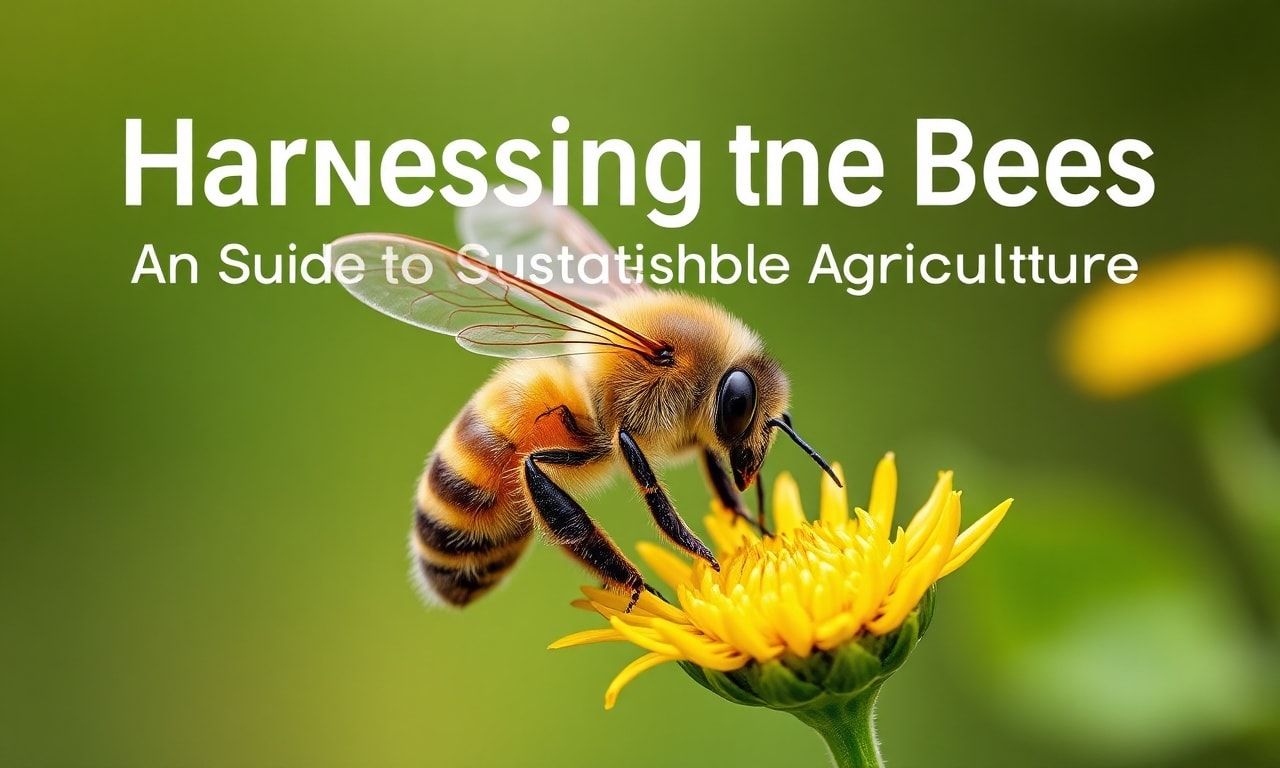
Bees are indispensable to our ecosystem and agricultural productivity. As primary pollinators, they contribute to the reproduction of numerous plant species, including many of our staple crops. Without bees, our fields would be less bountiful, and our tables less diverse. Understanding and supporting bee populations is crucial for sustainable farming practices and ensuring food security for future generations.
Understanding Bee Populations and Their Decline
The global bee population has been in decline due to factors like habitat loss, pesticide use, and climate change. This decline poses a significant threat to agriculture, as bees are responsible for pollinating about one-third of the world’s crops. Farmers and agriculturalists must adopt practices that support bee health and promote biodiversity. By doing so, they can help reverse the trend and ensure the continued productivity of their lands.
One way to support bee populations is by integrating bee-friendly practices into farming routines. This includes planting bee-friendly crops, reducing pesticide use, and providing habitats for bees. For more sustainable living practical tips, consider visiting resources dedicated to bee conservation and sustainable agriculture.
Bee-Friendly Crops
Certain crops are particularly attractive to bees and can help support their populations. These include:
- Fruits: Apples, berries, cherries, and peaches
- Vegetables: Squash, cucumbers, and tomatoes
- Herbs: Lavender, mint, and basil
- Flowers: Sunflowers, daisies, and clover
By incorporating these crops into your farming rotation, you can create a more bee-friendly environment that supports pollination and increases crop yields.
Sustainable Farming Practices for Bee Conservation
Adopting sustainable farming practices is essential for bee conservation and overall agricultural health. Here are some strategies farmers can implement:
Reducing Pesticide Use
Pesticides can be harmful to bees, so it’s crucial to use them judiciously. Consider integrated pest management (IPM) techniques that focus on prevention and biological controls rather than chemical treatments. Additionally, applying pesticides during times when bees are less active, such as early morning or late evening, can help minimize their impact on bee populations.
Providing Habitat
Bees need suitable habitats to thrive. Farmers can support bee populations by:
- Leaving some areas of the farm wild and undeveloped to provide natural habitats
- Planting native flowering plants that provide nectar and pollen
- Installing bee hotels or nesting boxes for solitary bees
The Benefits of Beekeeping on Farms
Beekeeping can be a valuable addition to any farm, providing numerous benefits for both the bees and the farmer. By maintaining hives on their property, farmers can:
- Enhance pollination and increase crop yields
- Produce honey and other bee products for additional income
- Monitor bee health and contribute to conservation efforts
Beekeeping requires some knowledge and effort, but the rewards can be substantial. Farmers interested in beekeeping should educate themselves on best practices and consider consulting with local beekeeping associations for guidance.
Educating the Community on Bee Conservation
Raising awareness about the importance of bees and sustainable agriculture is crucial for long-term success. Farmers can play a vital role in educating their communities by:
- Hosting workshops or field days focused on bee conservation and sustainable farming practices
- Partnering with local schools to provide educational opportunities for students
- Sharing their experiences and knowledge through social media and other platforms
By engaging with their communities, farmers can help foster a culture of sustainability and conservation that benefits everyone.
To delve deeper into the innovative approaches shaping agriculture, consider exploring sustainable farming’s future technologies and their integration with traditional methods.
As the seasons change and the crops grow, take a moment to explore the rich tapestry of Irish culture through sports history and achievements, a journey that mirrors the resilience and spirit of rural communities.
To help farmers adopt eco-friendly practices, consider exploring sustainable farming techniques that balance productivity and environmental stewardship.