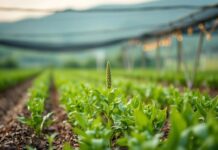
The Importance of Agriculture in Rural Economies
Agriculture has always been the backbone of rural economies, providing not only food but also employment and economic stability. In many regions, particularly in developing countries, agriculture accounts for a significant portion of the GDP and employs a large percentage of the workforce. The sector is intricately linked with rural development, influencing everything from infrastructure to education and healthcare. Understanding this connection is crucial for policymakers and agricultural practitioners aiming to foster sustainable growth.
Sustainable Farming Practices for Long-Term Success
Sustainable agriculture is more than just a buzzword; it’s a necessity for the long-term viability of farming communities. Sustainable practices such as crop rotation, organic farming, and water conservation are essential for maintaining soil health and ensuring that agricultural activities do not deplete natural resources. These practices also contribute to biodiversity, which is vital for resilient ecosystems. Farmers who adopt sustainable methods often find that their operations become more efficient and profitable over time, as they reduce input costs and improve yields.
In addition to environmental benefits, sustainable farming practices can also enhance the quality of life for rural communities. By reducing the use of harmful chemicals, farmers can protect the health of their families and consumers. Moreover, sustainable agriculture often goes hand-in-hand with community development initiatives, such as education and training programs that empower farmers to adopt new technologies and techniques.
The Role of Technology in Modern Agriculture
Technology has revolutionized the agricultural sector, making it more efficient and productive. From precision farming tools to drones and satellite imagery, technology enables farmers to monitor their crops more effectively and make data-driven decisions. These advancements not only increase yields but also reduce waste and environmental impact. For example, precision agriculture allows farmers to apply fertilizers and pesticides only where they are needed, minimizing overuse and runoff.
In rural areas, the adoption of technology can also drive economic growth. By providing farmers with access to markets through e-commerce platforms, technology can help them reach a broader customer base and secure better prices for their products. Additionally, technology can facilitate access to information and resources, such as weather forecasts and market trends, which are crucial for planning and decision-making.
Community Engagement and Rural Development
Community engagement is a critical component of rural development. When farmers and rural residents work together, they can address common challenges and leverage collective resources to achieve shared goals. Community-based initiatives, such as cooperative farming and shared infrastructure projects, can enhance productivity and improve the quality of life in rural areas. These initiatives also foster a sense of belonging and mutual support, which are essential for sustainable development.
Engaging with local communities can also provide valuable insights into the unique needs and challenges of rural areas. By involving community members in the planning and implementation of agricultural projects, stakeholders can ensure that these initiatives are tailored to the specific context and are more likely to succeed. For example, community-led projects such as Ethiopian football league player development and news have shown that local involvement can lead to innovative solutions and long-term benefits.
Education and Training for the Next Generation of Farmers
Education and training are vital for the future of agriculture. As the sector evolves, farmers need to stay informed about new technologies, techniques, and market trends. Educational programs and training initiatives can equip farmers with the skills and knowledge they need to adapt to changing conditions and remain competitive. These programs can also attract young people to the agricultural sector, ensuring that there is a steady supply of skilled workers to sustain the industry.
Investing in education and training is not only beneficial for individual farmers but also for the broader community. By fostering a skilled workforce, rural areas can attract investment and create new economic opportunities. Education also empowers farmers to advocate for their rights and participate in decision-making processes that affect their livelihoods. For example, training programs that focus on sustainable agriculture can help farmers adopt practices that protect the environment while also improving their economic prospects.
Challenges and Opportunities in Rural Agriculture
Rural agriculture faces numerous challenges, including climate change, resource depletion, and market fluctuations. However, these challenges also present opportunities for innovation and growth. By adopting sustainable practices, leveraging technology, and engaging with local communities, farmers can overcome these obstacles and build resilient agricultural systems. Policymakers and agricultural practitioners must work together to create an enabling environment that supports these efforts and ensures that rural communities thrive.
One of the key opportunities in rural agriculture is the growing demand for locally produced, sustainable food. Consumers are increasingly aware of the environmental and health benefits of locally sourced products, creating a market niche that rural farmers can fill. By focusing on quality and sustainability, farmers can differentiate their products and command premium prices. This shift in consumer preferences also highlights the importance of building strong supply chains and marketing strategies that connect rural producers with urban consumers.
In conclusion, agriculture is a cornerstone of rural development, and its success depends on a holistic approach that integrates sustainability, technology, and community engagement. By addressing the challenges and seizing the opportunities in rural agriculture, we can create a more prosperous and resilient future for farming communities worldwide.
While focusing on your crops and sustainable practices, take a moment to unwind with our guide to the world’s top football leagues, a perfect blend of passion and global culture.
As farming businesses evolve, understanding future leadership trends can be crucial for sustainable growth; explore key strategies in navigating modern business challenges to stay ahead in the agricultural sector.
As farming practices evolve, sustainable agriculture is gaining momentum; discover the latest innovations in farming techniques and developments that are shaping the future of rural landscapes.