The Role of Agriculture in Rural Communities
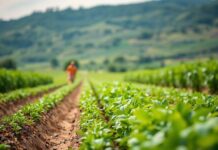
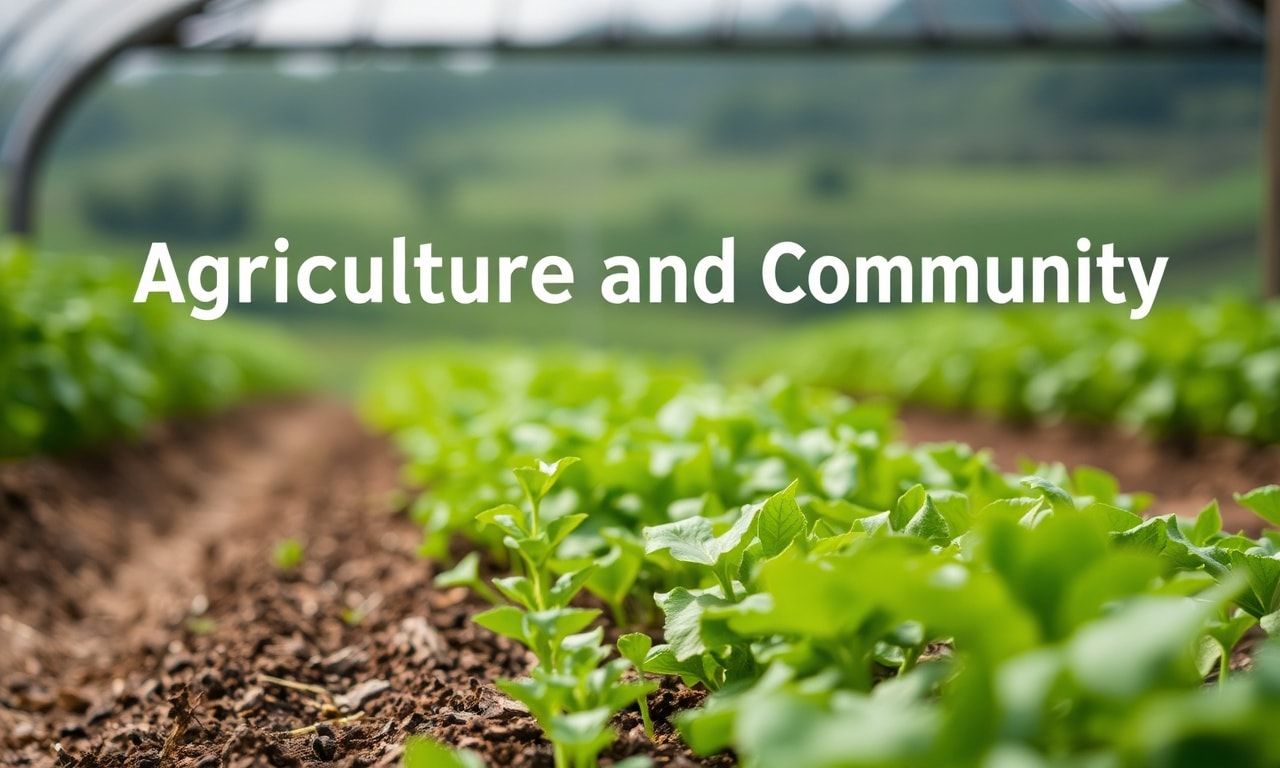
Agriculture is more than just the production of food and fiber; it is the backbone of rural communities. In these areas, farming is not just a profession but a way of life that shapes the local economy, culture, and social fabric. The symbiotic relationship between agriculture and rural communities is evident in the way farmers contribute to local markets, create jobs, and support various community initiatives. This interconnectedness underscores the importance of sustainable farming practices that benefit both the environment and the people who depend on it.
Sustainable Farming Practices for a Thriving Future
Sustainable agriculture is crucial for ensuring the long-term viability of farming communities. By adopting practices that conserve natural resources, reduce pollution, and enhance biodiversity, farmers can create a more resilient and productive agricultural system. Techniques such as crop rotation, organic farming, and integrated pest management are essential for maintaining soil health and reducing the environmental impact of agriculture. Additionally, investing in renewable energy sources like solar and wind power can help farmers reduce their carbon footprint and contribute to a cleaner, healthier planet.
Crop Rotation and Soil Health
Crop rotation is a fundamental practice in sustainable agriculture that involves growing different crops in the same area in sequential seasons. This method helps to improve soil fertility, control pests and diseases, and reduce the need for chemical inputs. By rotating crops, farmers can break pest and disease cycles, enhance soil structure, and ensure a more balanced nutrient supply. For example, planting legumes after a cereal crop can fix nitrogen in the soil, reducing the need for synthetic fertilizers and promoting healthier plant growth.
Organic Farming and Biodiversity
Organic farming is another sustainable practice that focuses on using natural processes and materials to grow crops and raise livestock. This approach avoids the use of synthetic pesticides, herbicides, and fertilizers, which can harm the environment and human health. Organic farming promotes biodiversity by creating habitats for beneficial insects, birds, and other wildlife. This, in turn, supports a more balanced ecosystem and reduces the need for chemical interventions. Farmers who adopt organic practices often find that their crops are more resilient to pests and diseases, leading to higher yields and better-quality produce.
The Impact of Agriculture on Local Economies
Agriculture plays a vital role in the economic development of rural communities. Farmers and agricultural businesses generate income and create jobs, both directly and indirectly. Local markets, processing facilities, and transportation services all rely on the agricultural sector to thrive. Furthermore, the sale of agricultural products contributes to the local economy by generating revenue that can be reinvested in community projects, schools, and infrastructure. The economic benefits of agriculture extend beyond the farm gate, supporting a wide range of industries and services that contribute to the overall prosperity of rural areas.
In addition to economic benefits, agriculture also fosters community cohesion and social well-being. Farmers often participate in local events, support community organizations, and contribute to charitable causes. This sense of community is essential for maintaining the social fabric of rural areas and ensuring that everyone has access to the resources and support they need to succeed. For instance, farmers in Texas often engage in local sports events, as reported by Austin Texas professional sports news, highlighting the strong connection between agriculture and community life.
Challenges and Opportunities in Modern Agriculture
Despite the many benefits of agriculture, farmers face numerous challenges in today’s rapidly changing world. Climate change, market fluctuations, and regulatory pressures are just a few of the issues that can impact the profitability and sustainability of farming operations. However, these challenges also present opportunities for innovation and adaptation. By embracing new technologies, such as precision agriculture and vertical farming, farmers can improve efficiency, reduce costs, and enhance productivity. Additionally, collaborating with other farmers, researchers, and industry experts can help farmers stay informed about the latest trends and best practices in sustainable agriculture.
Precision Agriculture and Technology
Precision agriculture is a modern farming approach that uses technology to optimize crop production and resource management. By employing tools such as GPS, drones, and sensors, farmers can monitor soil conditions, track crop growth, and apply inputs more precisely. This targeted approach reduces waste, improves yields, and minimizes the environmental impact of agriculture. For example, using drones to survey fields can help farmers identify areas that require additional water or nutrients, allowing them to address issues before they become significant problems. Similarly, GPS-guided equipment can ensure that seeds and fertilizers are applied evenly, reducing the risk of over-application and runoff.
Vertical Farming and Urban Agriculture
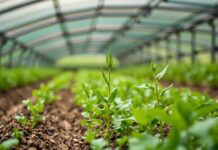
Vertical farming is an innovative approach to agriculture that involves growing crops in stacked layers, often in controlled environments such as greenhouses or indoor farms. This method allows farmers to produce high-quality crops year-round, regardless of weather conditions or seasonal changes. Vertical farming is particularly beneficial in urban areas, where space is limited, and access to fresh produce is often challenging. By bringing agriculture closer to consumers, vertical farming can reduce transportation costs, lower carbon emissions, and improve food security. Additionally, this approach can create new opportunities for urban farmers to diversify their income streams and contribute to local food systems.
Conclusion: Cultivating a Sustainable Future
Agriculture is a vital component of rural communities, providing economic, social, and environmental benefits that extend far beyond the farm gate. By adopting sustainable practices, embracing new technologies, and fostering community engagement, farmers can create a more resilient and prosperous future for themselves and their communities. The challenges facing modern agriculture are significant, but with innovation, collaboration, and a commitment to sustainability, farmers can overcome these obstacles and continue to cultivate a thriving agricultural sector that benefits us all.