The Importance of Sustainable Agriculture
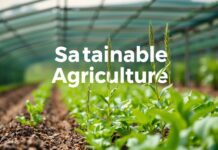
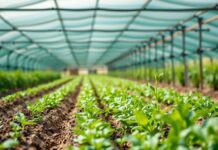
Sustainable agriculture is not just a buzzword; it’s a necessity for the future of our planet. As the global population continues to grow, the demand for food increases, putting immense pressure on our agricultural systems. Sustainable farming practices aim to meet these demands while preserving the environment, ensuring food security, and supporting rural communities. By adopting these practices, farmers can produce crops more efficiently, reduce environmental impact, and create a resilient agricultural system that can withstand the challenges of climate change.
Crop Rotation: A Timeless Technique
One of the most effective sustainable farming practices is crop rotation. This technique involves planting different crops in the same area in sequential seasons. Crop rotation helps maintain soil health by replenishing nutrients, reducing soil erosion, and controlling pests and diseases. For instance, planting legumes after a cereal crop can fix nitrogen in the soil, reducing the need for synthetic fertilizers. Additionally, crop rotation can improve water retention and reduce the reliance on chemical pesticides, leading to a healthier ecosystem and more nutritious produce.
Conservation Tillage: Protecting the Soil
Conservation tillage is another crucial practice in sustainable agriculture. This method involves minimizing soil disturbance during planting and harvesting. By reducing tillage, farmers can preserve soil structure, prevent erosion, and enhance water infiltration. Conservation tillage also helps sequester carbon in the soil, mitigating the effects of climate change. There are several types of conservation tillage, including no-till, reduced-till, and mulch-till, each offering unique benefits depending on the crop and soil type. Implementing conservation tillage can lead to long-term sustainability and improved farm productivity.
Integrated Pest Management: A Holistic Approach
Integrated Pest Management (IPM) is a holistic approach to pest control that focuses on long-term prevention and uses a combination of methods to manage pests effectively. IPM involves monitoring pest populations, using biological controls like beneficial insects, implementing cultural practices, and applying chemical controls judiciously. This approach reduces the reliance on synthetic pesticides, minimizing environmental impact and promoting biodiversity. Farmers can also use natural predators, such as ladybugs and lacewings, to control pests like aphids and mites. By adopting IPM, farmers can maintain healthy crops while protecting the environment and human health.
For those interested in sustainable practices beyond agriculture, exploring innovative health solutions can also contribute to overall well-being. For instance, understanding the latest methods in şişmanlık tedavisi en yeni yöntemler can provide insights into maintaining a healthy lifestyle, which is crucial for farmers and rural communities.
Agroforestry: Combining Agriculture and Forestry
Agroforestry is an integrated land-use system that combines trees with crops and livestock. This practice offers numerous benefits, including improved soil fertility, enhanced biodiversity, and increased resilience to climate change. Agroforestry systems can provide shade, windbreaks, and habitat for beneficial insects, while also producing valuable timber and non-timber forest products. For example, intercropping coffee with shade trees can improve coffee quality and reduce the need for synthetic fertilizers. By integrating trees into agricultural landscapes, farmers can create more sustainable and productive farming systems.
Water Management: Ensuring Efficiency and Conservation
Water is a precious resource, and efficient water management is essential for sustainable agriculture. Farmers can adopt various techniques to conserve water, such as drip irrigation, rainwater harvesting, and soil moisture monitoring. Drip irrigation delivers water directly to the root zone of plants, reducing water waste and improving crop yields. Rainwater harvesting involves collecting and storing rainwater for later use, which can be particularly beneficial in arid regions. Soil moisture monitoring helps farmers optimize irrigation schedules, ensuring that crops receive the right amount of water at the right time. By implementing these water management practices, farmers can enhance water use efficiency and contribute to sustainable agriculture.
Conclusion
Sustainable farming practices are vital for the future of agriculture and the well-being of our planet. By adopting techniques like crop rotation, conservation tillage, integrated pest management, agroforestry, and efficient water management, farmers can produce crops more sustainably, reduce environmental impact, and create resilient agricultural systems. These practices not only benefit the environment but also support rural communities and ensure food security for future generations. As we continue to face the challenges of climate change and population growth, sustainable agriculture will play a crucial role in shaping a healthier and more sustainable world.
To learn how farmers can embrace eco-friendly practices and secure long-term success, delve into sustainability in agriculture today.
To maintain peak productivity and health in your farming life, consider exploring tips for a balanced lifestyle that can help you sustain your rural way of living.
To enhance your farming practices while promoting environmental stewardship, consider exploring sustainable agriculture techniques and methods that can boost crop yields and soil health.