The Importance of Sustainable Farming
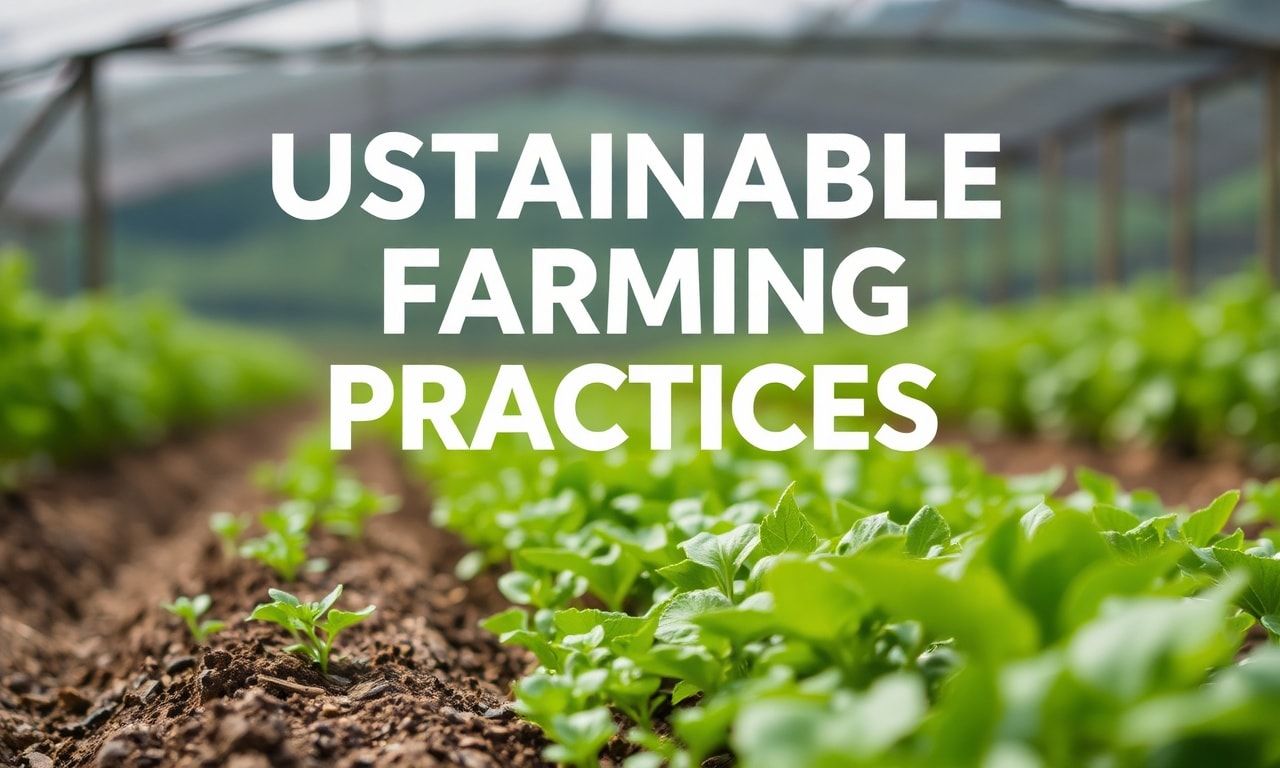
Sustainable farming is more than just a buzzword; it’s a critical approach to agriculture that focuses on meeting the needs of the present without compromising the ability of future generations to meet their own needs. As the global population continues to grow, the demand for food increases, making sustainable farming practices essential for ensuring food security and environmental health. By adopting sustainable practices, farmers can reduce their environmental impact, improve soil health, and enhance biodiversity, all while maintaining or even increasing crop yields.
Key Sustainable Farming Practices
There are several key practices that define sustainable farming. These include:
- Crop Rotation: Rotating crops helps to maintain soil fertility, reduce pest and disease cycles, and improve overall soil health.
- Cover Cropping: Planting cover crops during off-seasons helps prevent soil erosion, improves soil structure, and adds organic matter to the soil.
- Reduced Tillage: Minimizing tillage reduces soil disturbance, preserves soil structure, and enhances water retention.
- Integrated Pest Management (IPM): IPM uses a combination of biological, cultural, physical, and chemical tools to manage pests in an environmentally friendly way.
- Agroforestry: Integrating trees with crops and livestock can improve biodiversity, enhance soil health, and provide additional income streams for farmers.
Benefits of Sustainable Farming
Sustainable farming offers numerous benefits, both for farmers and the environment. For farmers, sustainable practices can lead to:
- Reduced input costs through decreased reliance on synthetic fertilizers and pesticides.
- Improved soil health, leading to higher crop yields over time.
- Enhanced biodiversity, which can support natural pest control and pollination.
- Increased resilience to climate change and extreme weather events.
- Access to premium markets and higher prices for sustainably produced goods.
For the environment, sustainable farming helps to:
- Reduce greenhouse gas emissions and combat climate change.
- Protect water quality by minimizing runoff and erosion.
- Conserve water resources through improved water management practices.
- Preserve and enhance biodiversity, supporting ecosystems and wildlife.
Challenges and Solutions
While the benefits of sustainable farming are clear, there are also challenges that farmers may face when transitioning to more sustainable practices. Some of these challenges include:
- Initial Investment: Transitioning to sustainable practices can require significant upfront investments in equipment, training, and infrastructure.
- Knowledge and Expertise: Farmers may need to learn new techniques and strategies to successfully implement sustainable practices.
- Market Access: Farmers may face difficulties in accessing markets that value and reward sustainable practices.
- Policy and Regulation: In some cases, policies and regulations may not adequately support or incentivize sustainable farming practices.
To overcome these challenges, farmers can:
- Seek out grants, subsidies, and low-interest loans to support their transition to sustainable practices.
- Participate in training programs, workshops, and extension services to build their knowledge and expertise.
- Connect with other farmers, industry groups, and organizations to share experiences, learn from one another, and advocate for supportive policies.
- Explore new markets and value chains that reward sustainable practices, such as organic certification, fair trade, and local food initiatives.
Sustainable Farming and Rural Communities
Sustainable farming can also play a crucial role in supporting rural communities. By adopting sustainable practices, farmers can:
- Create new jobs and economic opportunities in rural areas.
- Support local food systems and enhance food security.
- Preserve rural landscapes and cultural heritage.
- Improve the quality of life for rural residents by reducing environmental pollution and health risks.
Moreover, sustainable farming can contribute to rural tourism and recreation. For example, agritourism initiatives can attract visitors to farms and rural areas, providing additional income streams for farmers and supporting local economies. Additionally, sustainable farms can serve as educational resources, offering opportunities for school groups, researchers, and the general public to learn about agriculture, environmental stewardship, and the importance of sustainable practices.
For instance, imagine a farm that offers educational tours and workshops on sustainable farming techniques. Visitors can learn about crop rotation, cover cropping, and integrated pest management, while also enjoying the scenic beauty of the countryside. Such initiatives not only promote sustainable farming but also create a sense of community and shared purpose among rural residents and visitors alike.
Furthermore, sustainable farms can serve as gathering places for community events, such as farmers’ markets, festivals, and celebrations. These events can bring people together, fostering a sense of community and shared values. For example, a farm might host an annual harvest festival, featuring locally grown produce, live music, and family-friendly activities. Such events can help to build connections among community members, support local businesses, and promote sustainable farming practices.
In addition to supporting rural communities, sustainable farming can also contribute to the broader goal of creating a more sustainable and resilient food system. By adopting sustainable practices, farmers can help to:
- Reduce the environmental impact of agriculture, including greenhouse gas emissions, water pollution, and habitat destruction.
- Enhance the resilience of food systems to climate change, extreme weather events, and other disruptions.
- Promote biodiversity and ecosystem health, supporting the long-term viability of agriculture and food production.
- Ensure the availability of nutritious and affordable food for current and future generations.
To achieve these goals, it is essential to support farmers in their transition to sustainable practices. This can be done through:
- Investment in research, education, and extension services to promote sustainable farming practices.
- Development of policies and regulations that incentivize and reward sustainable practices.
- Creation of markets and value chains that support and reward sustainable farming.
- Building partnerships and collaborations among farmers, industry groups, governments, and civil society organizations to promote sustainable farming and food systems.
Case Study: Sustainable Farming in New York
One example of a region that has embraced sustainable farming practices is New York State. The state has a long history of agriculture, with diverse landscapes and climates that support a wide range of crops and livestock. In recent years, New York has become a leader in sustainable farming, with numerous initiatives and programs aimed at promoting sustainable practices and supporting farmers in their transition.
One such initiative is the New York State Department of Agriculture and Markets’ Climate Resilient Farming Program. This program provides funding and technical assistance to farmers who are implementing practices that enhance the resilience of their operations to climate change. The program supports a wide range of practices, including:
- Soil health management, such as cover cropping, reduced tillage, and crop rotation.
- Water management, such as irrigation efficiency, rainwater harvesting, and wetland restoration.
- Energy efficiency and renewable energy, such as solar power, wind power, and bioenergy.
- Diversified farming systems, such as agroforestry, silvopasture, and integrated crop-livestock systems.
Another initiative is the New York State Grown and Certified program. This program provides certification and marketing support for farmers who meet specific standards for sustainable, humane, and locally grown products. The program covers a wide range of products, including:
- Fruits and vegetables.
- Dairy and meat products.
- Horticulture and floriculture products.
- Specialty crops, such as maple syrup, honey, and wine.
To learn more about sustainable farming initiatives in New York, visit the best Fourth of July fireworks viewing spots and explore the state’s rich agricultural heritage and innovative sustainable practices.
Conclusion
Sustainable farming is a critical approach to agriculture that offers numerous benefits for farmers, rural communities, and the environment. By adopting sustainable practices, farmers can reduce their environmental impact, improve soil health, enhance biodiversity, and maintain or even increase crop yields. Moreover, sustainable farming can support rural communities, create new economic opportunities, and contribute to the broader goal of creating a more sustainable and resilient food system.
However, transitioning to sustainable practices can also present challenges, including initial investment costs, knowledge and expertise gaps, market access issues, and policy and regulatory barriers. To overcome these challenges, farmers can seek out grants, subsidies, and low-interest loans; participate in training programs and extension services; connect with other farmers and industry groups; and explore new markets and value chains that reward sustainable practices.
Ultimately, the transition to sustainable farming requires a collective effort from farmers, industry groups, governments, and civil society organizations. By working together, we can promote sustainable farming practices, support rural communities, and create a more sustainable and resilient food system for current and future generations.
To learn about the future of farming and how to implement sustainable practices, explore our latest article on sustainable agriculture techniques that are shaping the industry.
As we strive for sustainability in our fields and communities, it’s intriguing to see how other industries are making strides; discover how fashion and technology are merging for a greener future in innovative eco-friendly designs.
To learn how urban innovations can inspire sustainable practices in rural farming, explore Bristol’s tech-driven sustainability efforts.