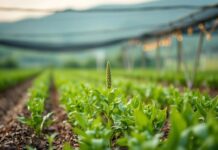
The Importance of Sustainable Farming
Sustainable farming is a holistic approach to agriculture that focuses on maintaining the productivity of farmland while minimizing environmental impact. This practice is crucial in an era where climate change and resource depletion are significant concerns. By adopting sustainable methods, farmers can ensure long-term productivity, protect biodiversity, and contribute to a healthier ecosystem. Moreover, sustainable farming practices can lead to improved soil health, reduced pollution, and more resilient crops.
Key Principles of Sustainable Farming
The core principles of sustainable farming include:
- Soil Health: Maintaining and improving soil fertility through practices like crop rotation, cover cropping, and reduced tillage.
- Water Management: Efficient use of water resources, including irrigation techniques that minimize waste and erosion control measures.
- Biodiversity: Promoting a diverse ecosystem on the farm, which can improve resilience to pests and diseases.
- Energy Efficiency: Using renewable energy sources and reducing energy consumption in farming operations.
- Waste Reduction: Implementing practices that minimize waste and maximize the use of resources.
Crop Rotation and Cover Cropping
Crop rotation involves growing different crops in a sequential manner on the same plot of land. This practice helps to maintain soil fertility, reduce pest and disease cycles, and improve overall crop yields. Cover cropping, on the other hand, involves planting crops that protect and enrich the soil during off-seasons. These practices are essential for sustainable farming as they enhance soil structure, prevent erosion, and improve water retention.
Water Management Techniques
Efficient water management is critical for sustainable farming. Techniques such as drip irrigation, which delivers water directly to the roots of plants, can significantly reduce water waste. Additionally, rainwater harvesting and the use of mulch can help retain moisture in the soil. Proper drainage systems are also essential to prevent waterlogging and soil erosion. By implementing these water management practices, farmers can ensure that their crops receive the necessary water without depleting valuable resources.
The Role of Technology in Sustainable Farming
Technology plays a pivotal role in modern sustainable farming. Advances in precision agriculture, such as GPS-guided tractors and drones, allow farmers to monitor and manage their fields more efficiently. These technologies can help optimize the use of inputs like fertilizers and pesticides, reducing waste and environmental impact. Additionally, data analytics and machine learning can provide valuable insights into crop health and yield predictions, enabling farmers to make informed decisions.
Precision Agriculture
Precision agriculture involves the use of technology to manage farm operations with high accuracy. This includes the use of sensors, GPS, and satellite imagery to monitor soil conditions, crop health, and weather patterns. By analyzing this data, farmers can make precise decisions about planting, irrigation, and harvesting. Precision agriculture not only improves productivity but also reduces the environmental footprint of farming operations.
Maintaining Farm Equipment
Maintaining farm equipment is another critical aspect of sustainable farming. Regular maintenance ensures that machinery operates efficiently, reducing fuel consumption and emissions. For instance, keeping tractors and other equipment clean and well-lubricated can significantly improve their performance. Products like Honda bike degreasers and cleaning solutions can be adapted for farm equipment, ensuring that they remain in top condition. Proper maintenance also extends the lifespan of equipment, reducing the need for frequent replacements and minimizing waste.
Challenges and Solutions in Sustainable Farming
Despite the benefits, sustainable farming faces several challenges. These include initial investment costs, lack of awareness, and resistance to change. However, there are solutions to these challenges. Government subsidies and grants can help offset the initial costs of adopting sustainable practices. Education and training programs can raise awareness and provide farmers with the necessary skills. Additionally, collaboration among farmers, researchers, and policymakers can facilitate the adoption of sustainable farming practices.
Economic Incentives
Economic incentives, such as subsidies and tax breaks, can encourage farmers to adopt sustainable practices. These incentives can help offset the initial costs of implementing new technologies and practices. Additionally, farmers can benefit from premium prices for sustainably produced crops, as consumers increasingly demand environmentally friendly products. By providing economic incentives, governments and organizations can promote the widespread adoption of sustainable farming practices.
Community and Collaboration
Community and collaboration are essential for the success of sustainable farming. Farmers can share knowledge and resources through cooperative efforts, such as community-supported agriculture (CSA) and farmer cooperatives. These collaborations can help reduce costs, improve efficiency, and promote the adoption of sustainable practices. Additionally, partnerships with researchers and policymakers can provide farmers with access to the latest technologies and best practices.
Conclusion
Sustainable farming is a vital approach to agriculture that balances productivity with environmental stewardship. By adopting practices like crop rotation, water management, and precision agriculture, farmers can ensure long-term productivity while minimizing environmental impact. Although challenges exist, solutions such as economic incentives and community collaboration can facilitate the widespread adoption of sustainable farming practices. As the world faces increasing environmental challenges, sustainable farming offers a promising path towards a more resilient and sustainable future.
As the summer season approaches, farmers should consider these essential sustainable farming practices to protect their crops and maintain soil health.
To stay informed about the future of farming, consider exploring sustainability in agriculture practices and how they shape the industry’s trajectory.
To learn about eco-friendly farming practices, explore sustainable agriculture in Turkey and how they benefit both crops and the environment.