The Evolution of Sustainable Agriculture
Agriculture has undergone a significant transformation over the centuries, shifting from subsistence farming to large-scale, industrialized food production. However, this shift has come at a cost, with environmental degradation, soil depletion, and biodiversity loss becoming pressing concerns. Sustainable agriculture emerges as a solution, aiming to meet the food demands of a growing population while minimizing environmental impact. This approach integrates innovative technologies, traditional knowledge, and best practices to create a harmonious balance between productivity and ecological preservation.
The Pillars of Sustainable Agriculture
Sustainable agriculture rests on three main pillars: environmental health, economic profitability, and social responsibility. Environmental health focuses on maintaining soil fertility, conserving water, and promoting biodiversity. Economic profitability ensures that farming remains a viable and attractive profession, while social responsibility emphasizes the well-being of farming communities and consumers. By addressing these three pillars, sustainable agriculture fosters a resilient and equitable food system.
Environmental Health
Preserving environmental health is at the core of sustainable agriculture. Farmers employ various techniques to maintain soil fertility, such as crop rotation, cover cropping, and reduced tillage. These practices improve soil structure, enhance water retention, and reduce erosion. Additionally, integrated pest management (IPM) systems help minimize the use of synthetic pesticides, promoting a healthier ecosystem. By prioritizing environmental health, farmers contribute to the long-term resilience of their land and the broader environment.
Economic Profitability
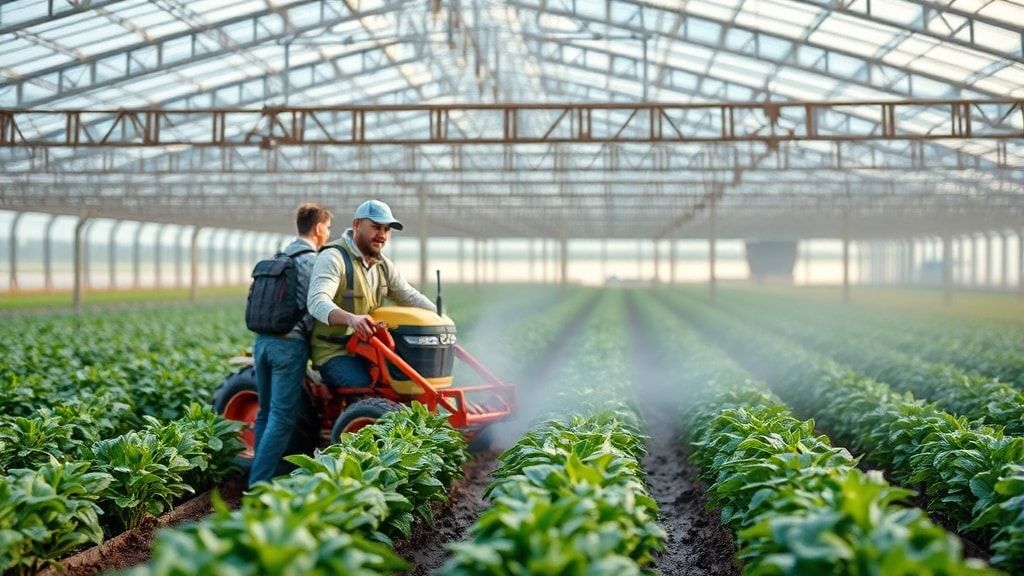
Economic profitability is essential for the sustainability of farming operations. Farmers must adopt practices that improve efficiency, reduce costs, and increase yields. Precision agriculture, for instance, utilizes technology such as GPS, sensors, and drones to optimize resource use and enhance productivity. Moreover, diversifying crops and exploring new markets can provide additional revenue streams. By focusing on economic profitability, farmers can ensure the viability of their operations and invest in sustainable practices.
Social Responsibility
Social responsibility involves considering the well-being of farming communities, consumers, and future generations. This includes providing fair wages and safe working conditions for farm workers, as well as ensuring access to nutritious food for all. Farmers can also contribute to community development by supporting local schools, healthcare facilities, and other initiatives. By embracing social responsibility, farmers play a crucial role in building a more equitable and just society.
The Role of Technology in Sustainable Agriculture
Technology plays a pivotal role in advancing sustainable agriculture. Innovations such as precision farming, vertical farming, and hydroponics enable farmers to produce more food with fewer resources. For example, precision farming uses data analytics to optimize the use of water, fertilizers, and pesticides, reducing waste and environmental impact. Vertical farming and hydroponics, on the other hand, allow for year-round crop production in urban settings, minimizing the need for land and water. By leveraging technology, farmers can enhance productivity while minimizing their environmental footprint.
Furthermore, technology facilitates the sharing of knowledge and best practices among farmers. Online platforms and mobile applications provide access to expert advice, weather forecasts, and market information, empowering farmers to make informed decisions. For instance, farmers can access a review of latest weight loss programs to understand how to maintain their health and well-being, which is crucial for their productivity and overall quality of life. By embracing technology, farmers can stay informed and adapt to changing conditions, ensuring the long-term success of their operations.
Challenges and Opportunities in Sustainable Agriculture
Despite its benefits, sustainable agriculture faces several challenges. Farmers often encounter resistance to change, as adopting new practices requires significant investments in time, labor, and resources. Additionally, market pressures and policy constraints can hinder the widespread adoption of sustainable practices. However, these challenges also present opportunities for innovation and collaboration. Governments, non-governmental organizations, and private sector entities can support farmers through funding, training, and policy incentives. By addressing these challenges, stakeholders can accelerate the transition to sustainable agriculture and create a more resilient food system.
Policy and Market Incentives
Policy and market incentives play a crucial role in promoting sustainable agriculture. Governments can implement policies that support sustainable practices, such as subsidies for organic farming, tax incentives for conservation efforts, and regulations that limit the use of harmful chemicals. Market incentives, such as premium prices for sustainably produced goods, can also encourage farmers to adopt sustainable practices. By aligning policy and market incentives, stakeholders can create a supportive environment for sustainable agriculture.
Collaboration and Knowledge Sharing
Collaboration and knowledge sharing are essential for the success of sustainable agriculture. Farmers, researchers, and industry experts can work together to develop and implement innovative solutions. For example, research institutions can conduct studies on sustainable practices and share their findings with farmers. Industry experts can provide technical assistance and training to help farmers adopt new technologies. By fostering collaboration and knowledge sharing, stakeholders can accelerate the transition to sustainable agriculture and create a more resilient food system.
Conclusion
Sustainable agriculture represents a holistic approach to food production that balances productivity, environmental stewardship, and social responsibility. By embracing innovative technologies, best practices, and collaborative efforts, farmers can contribute to a more resilient and equitable food system. While challenges remain, the opportunities for innovation and collaboration are vast. By working together, stakeholders can ensure that sustainable agriculture becomes the norm, benefiting current and future generations.
In our pursuit of sustainable practices, it’s intriguing to see how technology is transforming other sectors; explore how AI advances cardiology in remarkable ways.
To learn more about the future of farming and how to implement sustainable practices, check out sustainability in agriculture today.
To learn how farmers can embrace eco-friendly practices and secure their future, delve into sustainability in agriculture today.