The Evolution of Farming: From Traditional to Tech-Savvy
The agricultural sector has undergone a profound transformation over the past few decades. Gone are the days when farming was solely reliant on manual labor and traditional methods. Today, technology plays a pivotal role in enhancing productivity, sustainability, and efficiency in agriculture. This shift has been driven by the need to feed a growing global population while minimizing environmental impact. Modern farmers are increasingly adopting innovative technologies to optimize their operations and stay competitive in a rapidly evolving market.
The Role of Technology in Modern Farming
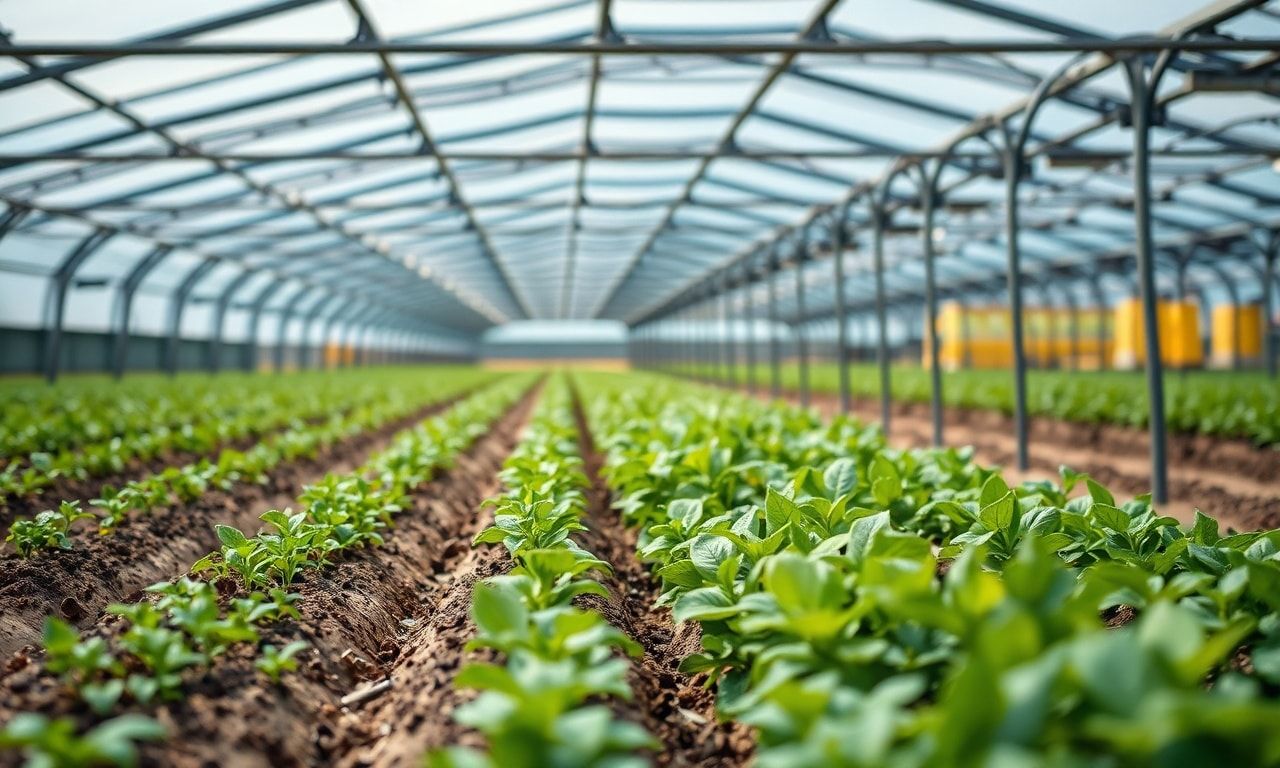
Technology has revolutionized almost every aspect of farming, from planting to harvesting. Precision agriculture, for instance, uses GPS and satellite imagery to monitor crop health and soil conditions, allowing farmers to make data-driven decisions. Drones and autonomous vehicles are also becoming commonplace, helping to reduce labor costs and improve accuracy in tasks such as planting and spraying. Additionally, the Internet of Things (IoT) enables real-time monitoring of various parameters like temperature, humidity, and soil moisture, ensuring optimal growing conditions.
Another significant advancement is the use of biotechnology in agriculture. Genetic engineering has led to the development of genetically modified crops that are resistant to pests, diseases, and harsh weather conditions. This not only increases yields but also reduces the need for chemical pesticides and fertilizers, promoting more sustainable farming practices. The integration of technology in agriculture is not just about increasing productivity; it’s about creating a more resilient and sustainable food system.
The Impact of Technology on Sustainability
Sustainability is a key concern in modern agriculture. The environmental impact of farming practices has been a topic of debate for years, and technology is playing a crucial role in addressing these concerns. For example, precision agriculture helps reduce water usage by ensuring that crops receive the exact amount of water they need, minimizing waste. Similarly, the use of drones and sensors allows for targeted application of fertilizers and pesticides, reducing environmental contamination.
Renewable energy sources are also being integrated into farming operations. Solar panels and wind turbines are increasingly being used to power farms, reducing reliance on fossil fuels and lowering carbon emissions. The adoption of these technologies not only benefits the environment but also helps farmers save on energy costs in the long run. The intersection of technology and sustainability is creating a new paradigm in agriculture, one that is both productive and eco-friendly.
The Challenges and Opportunities
While the benefits of technology in agriculture are numerous, there are also challenges that need to be addressed. The initial cost of implementing new technologies can be prohibitive for small-scale farmers. Additionally, there is a need for adequate training and support to ensure that farmers can effectively use these technologies. However, the opportunities far outweigh the challenges. Governments and private organizations are increasingly providing subsidies and grants to support the adoption of agricultural technologies. Collaborative platforms and online resources, such as oyun konsolu karşılaştırma inceleme, offer valuable insights and comparisons that can help farmers make informed decisions about the tools and technologies they invest in.
Moreover, the rise of agri-tech startups and the growing interest in sustainable farming practices are creating a vibrant ecosystem of innovation. Farmers are encouraged to explore new technologies and collaborate with tech companies to develop customized solutions that meet their specific needs. The future of agriculture lies in the seamless integration of technology and traditional farming knowledge, creating a harmonious balance that benefits both farmers and the environment.
The Future of Agriculture: A Tech-Driven Landscape
The future of agriculture is undeniably tech-driven. Emerging technologies like artificial intelligence (AI) and machine learning (ML) are set to revolutionize the way we farm. AI can analyze vast amounts of data to predict crop yields, detect diseases, and optimize resource allocation. Machine learning algorithms can continuously improve farming practices by learning from past data and adapting to changing conditions. The integration of AI and ML in agriculture will enable farmers to make more accurate predictions and take proactive measures to ensure crop health and productivity.
Blockchain technology is another innovation that is gaining traction in the agricultural sector. It provides a transparent and secure way to track the supply chain, ensuring food safety and quality. Consumers are increasingly concerned about the origin and quality of their food, and blockchain technology can provide the necessary transparency to build trust and confidence in the food supply chain. The adoption of blockchain in agriculture will not only benefit farmers but also enhance consumer trust and satisfaction.
Conclusion
The intersection of technology and agriculture is transforming the way we farm. From precision agriculture to biotechnology, the integration of innovative technologies is enhancing productivity, sustainability, and efficiency in the agricultural sector. While there are challenges to overcome, the opportunities are immense. Governments, private organizations, and tech companies are collaborating to support the adoption of agricultural technologies, creating a vibrant ecosystem of innovation. The future of agriculture is bright, and it is driven by technology. Farmers who embrace these advancements will not only improve their operations but also contribute to a more sustainable and resilient food system.
As a farmer, you understand the importance of planning and investing in your crops’ future, so consider learning how to apply similar principles to your personal finances with our guide on smart investments for tomorrow.
To learn more about the future of farming and how to make it more sustainable, check out sustainable agriculture practices that are shaping the industry.
To learn about innovative approaches that are shaping the future of agriculture, explore our detailed guide on sustainable farming practices and how they can benefit your crops and rural community.