The Importance of Sustainable Farming
In an era where climate change and environmental degradation are at the forefront of global concerns, sustainable farming practices have become more crucial than ever. Sustainable agriculture aims to meet society’s food and textile needs in the present without compromising the ability of future generations to meet their own needs. This approach not only ensures food security but also promotes biodiversity, protects natural resources, and enhances ecosystem services.
Key Principles of Sustainable Farming
Sustainable farming is built on several key principles that guide agricultural practices towards long-term viability. These principles include:
- Soil Health: Maintaining and improving soil fertility through practices like crop rotation, cover cropping, and reduced tillage.
- Water Management: Efficient use of water resources, including rainwater harvesting and drip irrigation, to minimize waste and ensure availability.
- Biodiversity: Promoting a diverse range of plant and animal species to create resilient ecosystems that can withstand pests, diseases, and climate variability.
- Energy Efficiency: Utilizing renewable energy sources and improving energy efficiency in farming operations to reduce carbon footprints.
- Waste Management: Implementing strategies to minimize waste and recycle nutrients back into the soil, such as composting and manure management.
Crop Rotation and Diversification
One of the most effective sustainable farming practices is crop rotation, which involves growing different crops in a sequential manner on the same plot of land. This practice helps to:
- Improve soil structure and fertility by varying the types of nutrients extracted and added to the soil.
- Reduce the buildup of pests and diseases that can occur when the same crop is grown repeatedly.
- Enhance biodiversity, which in turn supports a healthier ecosystem.
Additionally, diversifying crops can provide farmers with multiple income streams and reduce the risk of total crop failure due to adverse weather conditions or market fluctuations.
The Role of Technology in Sustainable Farming
Technology plays a pivotal role in advancing sustainable farming practices. Innovations such as precision agriculture, which uses GPS and satellite imagery to optimize crop management, can significantly reduce input costs and environmental impact. Furthermore, the use of drones and sensors for monitoring soil health and crop conditions allows farmers to make data-driven decisions that enhance productivity while minimizing resource use.
For those who enjoy spending time outdoors and appreciate the beauty of nature, exploring sustainable farms can be a rewarding experience. Whether you’re a farmer looking to adopt new practices or an enthusiast interested in sustainable living, having the right gear is essential. For instance, comfortable and durable hiking shoes can make a significant difference during long walks through farmlands. If you’re in Türkiye and looking for top-quality hiking shoes, consider checking out Türkiye’nin en iyi doğa yürüyüş ayakkabıları to find the perfect pair for your adventures.
Challenges and Solutions in Sustainable Farming
Despite the numerous benefits, sustainable farming faces several challenges, including initial investment costs, lack of awareness, and resistance to change. However, these challenges can be overcome through:
- Education and Training: Providing farmers with access to education and training programs on sustainable practices can help them understand the long-term benefits and practical implementation strategies.
- Government Support: Policies and subsidies that incentivize sustainable farming practices can encourage wider adoption.
- Community Collaboration: Building networks and cooperatives where farmers can share knowledge, resources, and best practices can foster a supportive environment for sustainable agriculture.
Case Studies of Successful Sustainable Farms
Numerous farms around the world have successfully implemented sustainable practices, serving as models for others to follow. For example, organic farms that rely on natural pest control methods and avoid synthetic fertilizers have shown that it is possible to achieve high yields while maintaining environmental health. Similarly, agroforestry systems that integrate trees with crops and livestock have demonstrated improved soil conservation, increased biodiversity, and enhanced carbon sequestration.
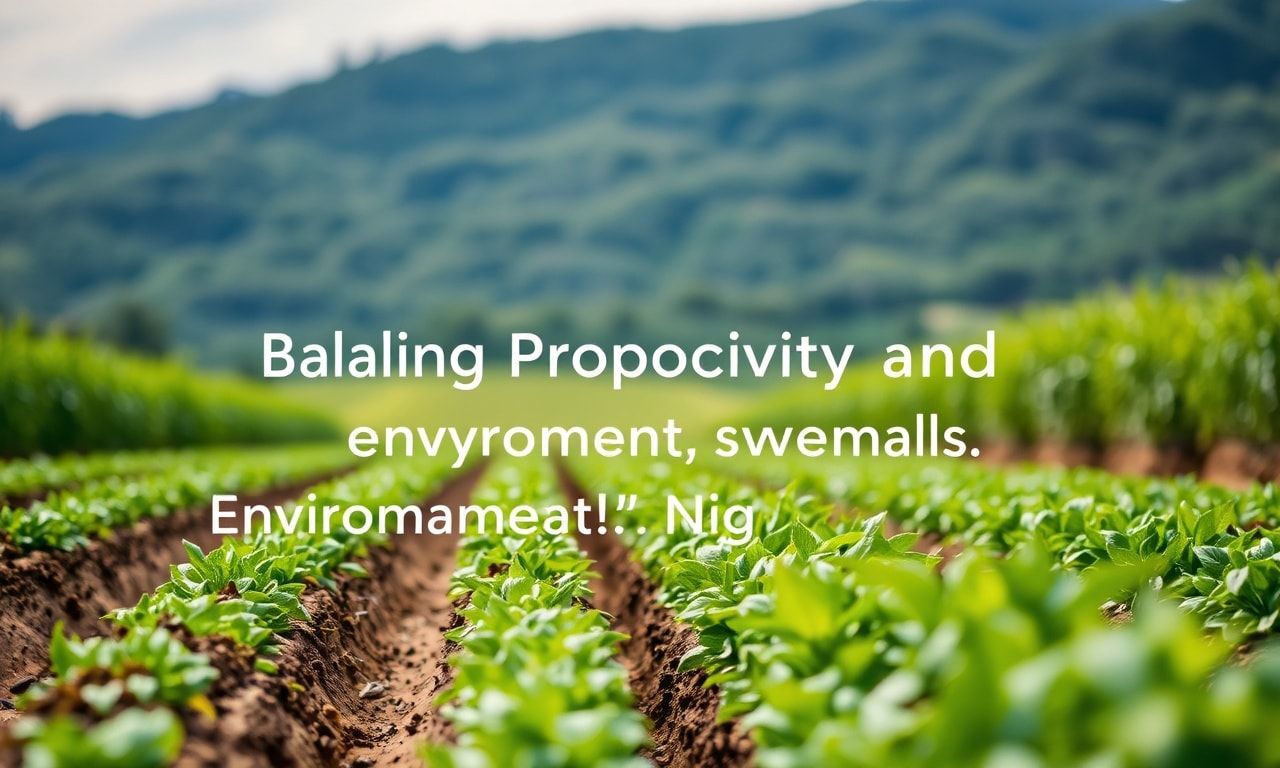
These case studies highlight the potential of sustainable farming to create a harmonious balance between productivity and environmental stewardship. By learning from these examples, farmers can adapt and implement practices that suit their specific contexts and contribute to a more sustainable future.
Conclusion
Sustainable farming is not just a trend but a necessity for ensuring the long-term viability of agriculture. By adopting practices that prioritize soil health, water management, biodiversity, energy efficiency, and waste reduction, farmers can produce food in a way that benefits both the environment and their livelihoods. While challenges exist, education, government support, and community collaboration can pave the way for widespread adoption of sustainable practices. As we continue to explore and innovate, the future of agriculture looks promising, with sustainable farming at its core.