The Importance of Sustainable Farming
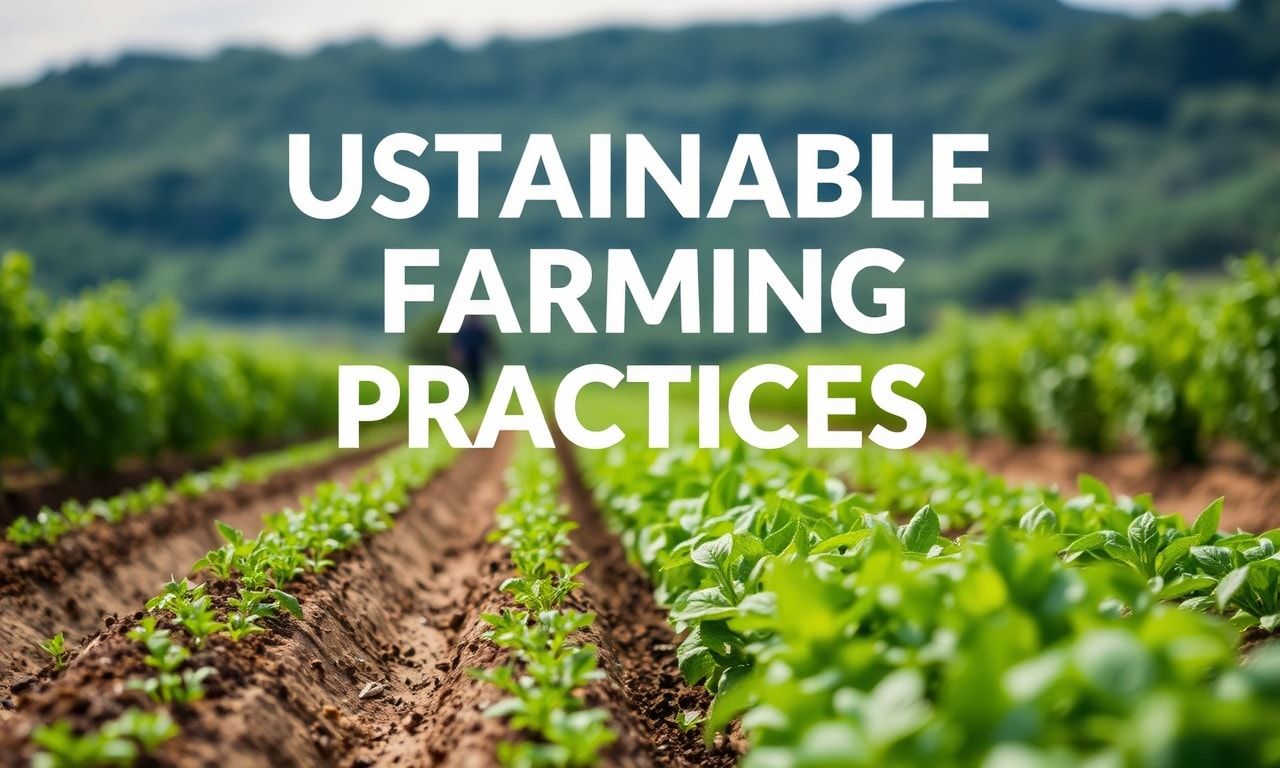
Sustainable farming is not just a trend; it’s a necessity. With the world’s population growing at an unprecedented rate, the demand for food is higher than ever. Traditional farming methods, while effective, often come with a hefty environmental cost. Sustainable farming practices aim to meet this demand while minimizing the impact on the environment.
Sustainable farming encompasses a variety of practices, from crop rotation and organic farming to integrated pest management and agroforestry. These methods not only help preserve the environment but also ensure the long-term productivity of the land. By adopting sustainable practices, farmers can reduce their reliance on chemical inputs, improve soil health, and promote biodiversity.
The Role of Crop Rotation in Sustainable Farming
Crop rotation is one of the oldest and most effective sustainable farming practices. This technique involves growing different types of crops in the same area in sequential seasons. The primary goal of crop rotation is to maintain soil fertility and prevent the depletion of nutrients. Different crops have different nutrient requirements and contribute differently to the soil, so rotating them can help maintain a balanced soil ecosystem.
Additionally, crop rotation can help break pest and disease cycles. Many pests and diseases are crop-specific, so rotating crops can disrupt their life cycles and reduce the need for chemical pesticides. For instance, planting a legume crop after a cereal crop can help fix nitrogen in the soil, reducing the need for synthetic fertilizers. This practice not only benefits the environment but also improves the overall yield and quality of the crops.
Benefits of Crop Rotation
- Soil Health: Improves soil structure and fertility.
- Pest and Disease Control: Disrupts pest and disease cycles.
- Nutrient Management: Balances nutrient requirements and reduces the need for synthetic fertilizers.
- Yield and Quality: Enhances crop yield and quality.
Organic Farming: A Holistic Approach
Organic farming is another key component of sustainable agriculture. This method relies on natural processes and materials rather than synthetic inputs. Organic farmers use techniques like composting, green manuring, and biological pest control to maintain soil health and control pests. The goal is to create a self-sustaining ecosystem that mimics natural processes.
Organic farming has numerous benefits. It reduces the environmental impact of agriculture by minimizing pollution from synthetic fertilizers and pesticides. It also promotes biodiversity by providing a habitat for a wide range of species. Moreover, organic produce is often richer in nutrients and free from harmful chemical residues, making it a healthier choice for consumers.
Challenges of Organic Farming
Despite its benefits, organic farming is not without challenges. It often requires more labor and management than conventional farming. Additionally, organic farms may have lower yields initially as the soil regains its health. However, with proper management and the use of resources like recursos útiles guía en línea, these challenges can be overcome.
Integrated Pest Management (IPM)
Integrated Pest Management (IPM) is a sustainable approach to pest control that focuses on long-term prevention and management of pests through a combination of techniques. IPM programs use current, comprehensive information on the life cycles of pests and their interaction with the environment. This information, in combination with available pest control methods, is used to manage pest damage by the most economical means and with the least possible hazard to people, property, and the environment.
IPM involves monitoring pest populations, identifying economic thresholds, and using a combination of biological, cultural, physical, and chemical methods to control pests. Biological control involves using natural predators or parasites to control pest populations. Cultural control involves practices like crop rotation, intercropping, and sanitation. Physical control includes methods like traps, barriers, and heat treatments. Chemical control is used as a last resort and is often integrated with other methods to minimize environmental impact.
Agroforestry: Combining Agriculture and Forestry
Agroforestry is a land use management system that combines agriculture and forestry. It involves integrating trees with crops and/or animals on the same piece of land. This practice can improve the productivity and sustainability of the land by enhancing soil health, conserving water, and promoting biodiversity.
Agroforestry systems can take many forms, including alley cropping, silvopasture, and forest farming. Alley cropping involves planting rows of trees or shrubs alternated with rows of crops. Silvopasture integrates trees, pasture, and livestock. Forest farming involves growing high-value crops under the shade of a forest canopy. These systems can provide multiple benefits, including improved soil fertility, reduced erosion, enhanced water retention, and increased biodiversity.
Benefits of Agroforestry
- Soil Health: Improves soil structure and fertility.
- Water Conservation: Enhances water retention and reduces runoff.
- Biodiversity: Promotes a diverse ecosystem.
- Economic Benefits: Provides multiple income streams.
Conclusion
Sustainable farming practices are essential for meeting the food demands of a growing population while preserving the environment. Techniques like crop rotation, organic farming, integrated pest management, and agroforestry offer practical solutions for achieving this goal. By adopting these practices, farmers can improve soil health, reduce environmental impact, and ensure the long-term productivity of their land. With the right knowledge and resources, sustainable farming can pave the way for a greener, more sustainable future.
As we strive to balance productivity with environmental responsibility, exploring sustainable farming innovations can offer practical solutions for modern agriculture.
To enhance your rural lifestyle and promote sustainability, consider exploring creating a perfect life balance in harmony with your farming practices.
To learn more about environmentally friendly practices, consider exploring sustainable farming methods that can help improve crop yields and protect our planet.