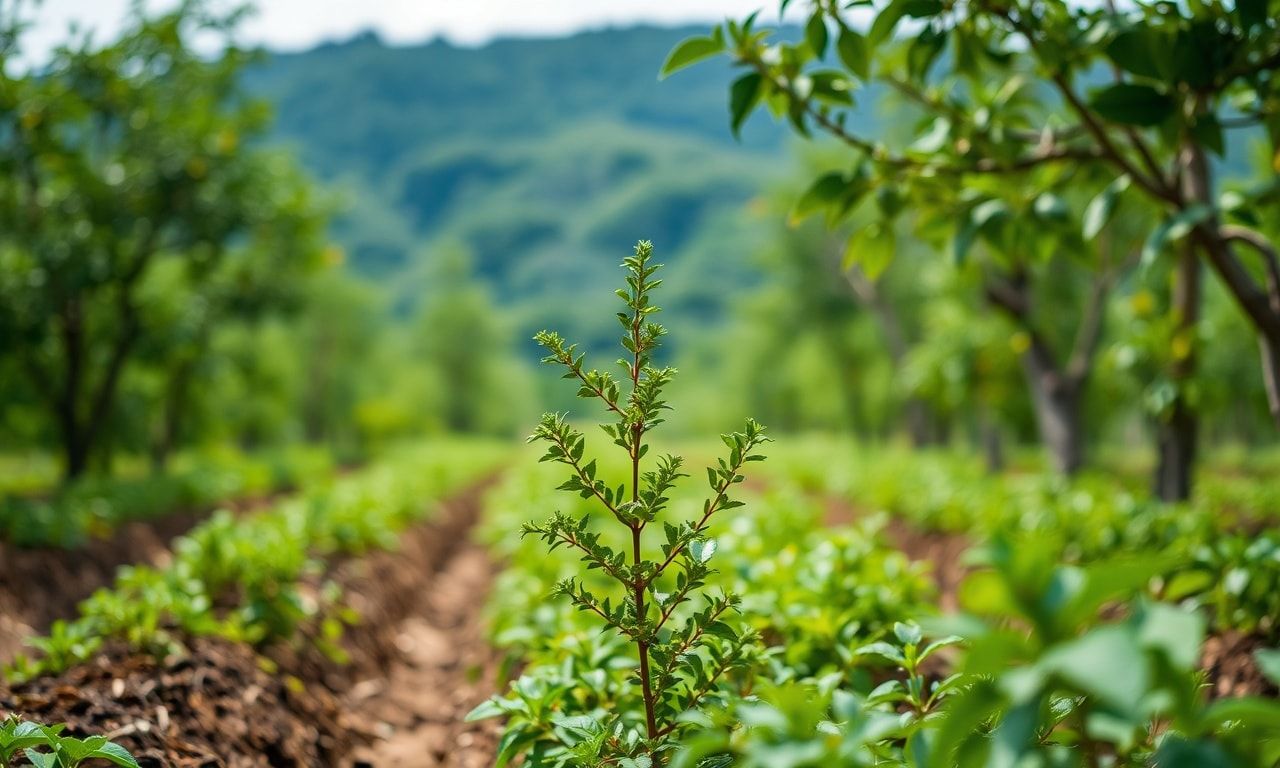
The Intersection of Agriculture and Forestry
In the ever-evolving landscape of modern agriculture, the need for sustainable practices has become paramount. One such practice that has gained significant traction is agroforestry. This innovative approach combines the benefits of agriculture and forestry, creating a harmonious balance that enhances biodiversity, improves soil health, and increases farm productivity. Agroforestry is not just a farming technique; it’s a holistic approach to land management that offers a plethora of benefits for both farmers and the environment.
The Benefits of Agroforestry
Agroforestry offers a multitude of benefits that make it an attractive option for modern farmers. By integrating trees with crops and livestock, farmers can create a more resilient and diverse agricultural system. This diversity not only enhances the farm’s productivity but also improves its ability to withstand environmental stresses such as droughts, floods, and pests. Additionally, agroforestry practices can sequester carbon, mitigate climate change, and provide habitats for wildlife, contributing to the overall health of the ecosystem.
Enhanced Soil Health
One of the most significant benefits of agroforestry is its positive impact on soil health. Trees play a crucial role in preventing soil erosion, improving soil structure, and enhancing soil fertility. The roots of trees help to bind the soil together, reducing the risk of erosion caused by wind and water. Furthermore, the leaf litter from trees decomposes and adds organic matter to the soil, improving its nutrient content and water-holding capacity. This, in turn, leads to healthier crops and higher yields.
Biodiversity and Ecosystem Services
Agroforestry systems are known for their ability to support a wide range of plant and animal species. By providing habitats for various organisms, agroforestry systems can enhance biodiversity and promote ecosystem services such as pollination, pest control, and nutrient cycling. This biodiversity not only benefits the environment but also contributes to the farm’s overall productivity and sustainability. For instance, birds and insects that inhabit agroforestry systems can help control pests, reducing the need for chemical pesticides.
Implementing Agroforestry Practices
Implementing agroforestry practices on a farm requires careful planning and consideration. Farmers need to choose tree species that are well-suited to their local climate and soil conditions. They also need to consider the compatibility of the trees with their existing crops and livestock. It’s essential to seek expert advice and conduct thorough research before embarking on an agroforestry project. Additionally, farmers should be aware of the financial and regulatory aspects of agroforestry, such as grants, subsidies, and zoning laws.
Choosing the Right Tree Species
Selecting the right tree species is crucial for the success of an agroforestry system. Trees should be chosen based on their ability to thrive in the local environment and their compatibility with the farm’s existing crops and livestock. For example, nitrogen-fixing trees like acacia and clover can improve soil fertility, while fruit trees can provide additional income streams. It’s also important to consider the trees’ growth rates, root systems, and canopy structures to ensure they complement the farm’s overall design.
Integration with Crops and Livestock
Agroforestry systems can be designed to integrate trees with crops and livestock in various ways. For instance, trees can be planted in alleys between crop rows, providing shade and windbreaks for the crops. Alternatively, trees can be used to create silvopastoral systems, where they provide shade and forage for livestock. The key is to create a balanced system that maximizes the benefits of each component while minimizing potential conflicts. For example, farmers should ensure that the trees do not compete with crops for water and nutrients, and that the livestock do not damage the trees.
The Role of Agroforestry in Climate Change Mitigation
Climate change is one of the most pressing challenges facing modern agriculture. Agroforestry can play a significant role in mitigating climate change by sequestering carbon and reducing greenhouse gas emissions. Trees absorb carbon dioxide from the atmosphere and store it in their biomass, making them an effective tool for carbon sequestration. Additionally, agroforestry systems can reduce the need for synthetic fertilizers and pesticides, which are significant sources of greenhouse gas emissions. By adopting agroforestry practices, farmers can not only contribute to climate change mitigation but also enhance their farm’s resilience to climate-related stresses.
Carbon Sequestration and Emission Reduction
Agroforestry systems can sequester significant amounts of carbon, making them an effective tool for climate change mitigation. According to a study published in the journal Nature Communications, agroforestry systems can sequester up to 43 metric tons of carbon per hectare over a 30-year period. This is equivalent to taking 30 cars off the road for a year. Additionally, agroforestry systems can reduce greenhouse gas emissions by reducing the need for synthetic fertilizers and pesticides, which are significant sources of nitrous oxide and methane emissions.
Enhancing Farm Resilience
Climate change is expected to increase the frequency and intensity of extreme weather events such as droughts, floods, and heatwaves. Agroforestry systems can enhance farm resilience to these stresses by providing shade, windbreaks, and improved soil health. For instance, trees can provide shade for crops, reducing water loss through evaporation and protecting them from heat stress. Additionally, trees can act as windbreaks, reducing wind erosion and protecting crops from wind damage. By enhancing farm resilience, agroforestry can help farmers adapt to climate change and ensure food security.
Case Studies and Success Stories
Agroforestry has been successfully implemented in various parts of the world, from the tropical rainforests of Central America to the temperate regions of Europe. These case studies and success stories provide valuable insights into the benefits and challenges of agroforestry and offer inspiration for farmers looking to adopt this innovative approach. For instance, in the UK, farmers have successfully integrated trees with livestock to create silvopastoral systems that enhance biodiversity, improve soil health, and increase farm productivity. Similarly, in the US, farmers have used agroforestry to create windbreaks that protect crops from wind damage and reduce water loss through evaporation.
In Ireland, agroforestry is gaining popularity as farmers look for ways to diversify their income streams and enhance the sustainability of their farms. For example, farmers are planting fruit trees alongside their traditional crops to create agroforestry systems that provide additional income streams and enhance biodiversity. Additionally, farmers are using trees to create windbreaks that protect their crops from the strong winds that are common in the region. To stay updated with the latest agricultural practices and innovations, farmers can follow Dublin hurling match news today and other relevant sources.
Conclusion
Agroforestry is a sustainable and innovative approach to modern farming that offers a plethora of benefits for both farmers and the environment. By integrating trees with crops and livestock, farmers can create resilient and productive agricultural systems that enhance biodiversity, improve soil health, and mitigate climate change. However, implementing agroforestry practices requires careful planning and consideration, and farmers should seek expert advice and conduct thorough research before embarking on an agroforestry project. With the right approach, agroforestry can be a valuable tool for enhancing the sustainability and productivity of modern farms.
After a long day tending to crops and livestock, it’s essential to return to a home that reflects the same warmth and sustainability as your farm; discover how with tips for a cozy home.
To gain a unique perspective on aerial views that can aid in crop monitoring and sustainable farming practices, delve into the captivating story of hot air balloons in our latest feature, the history of these flying marvels.
Discover the latest advancements in sustainable farming techniques and how mature plants are revolutionizing the agricultural industry.