The Importance of Sustainable Agriculture
\nAgriculture is the backbone of human civilization, providing food, fiber, and fuel. However, traditional farming practices have often come at a cost to the environment. Sustainable agriculture aims to meet the needs of the present without compromising the ability of future generations to meet their own needs. This approach focuses on maintaining soil health, conserving water, reducing pollution, and promoting biodiversity.
\nSoil Health: The Foundation of Sustainable Farming
\nHealthy soil is the cornerstone of sustainable agriculture. Soil health refers to the capacity of soil to function as a living ecosystem that sustains plants, animals, and humans. Practices such as crop rotation, cover cropping, and reduced tillage can improve soil structure, increase organic matter, and enhance soil fertility. These methods not only boost crop yields but also reduce the need for synthetic fertilizers and pesticides.
\nCrop rotation involves growing different crops in the same area in sequential seasons. This practice helps to break pest and disease cycles, improve soil structure, and enhance nutrient availability. Cover cropping, on the other hand, involves planting cover crops like clover or rye during off-seasons to prevent erosion, improve soil health, and suppress weeds.
\nWater Conservation Techniques
\nWater is a precious resource, and sustainable agriculture places a strong emphasis on water conservation. Techniques such as drip irrigation, rainwater harvesting, and precision agriculture can significantly reduce water usage. Drip irrigation delivers water directly to the root zone of plants, minimizing evaporation and runoff. Rainwater harvesting involves collecting and storing rainwater for later use, which can be particularly beneficial in arid regions.
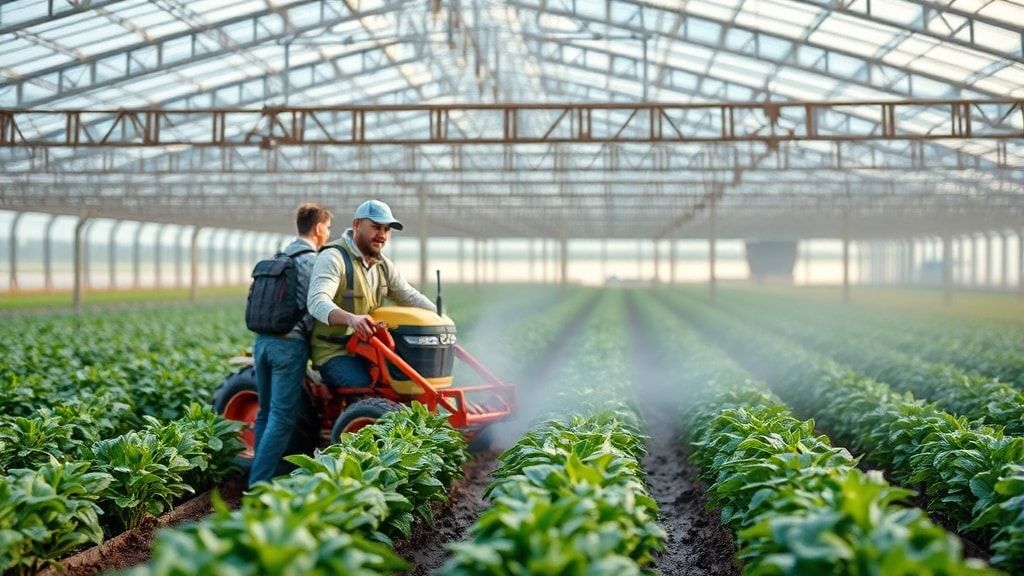
\nPrecision agriculture uses technology like GPS, sensors, and drones to monitor soil moisture, nutrient levels, and crop health. This data-driven approach allows farmers to apply water and nutrients more efficiently, reducing waste and improving productivity. Additionally, implementing mulching and terracing can help retain soil moisture and prevent erosion, further conserving water resources.
\nThe Role of Biodiversity in Sustainable Farming
\nBiodiversity is crucial for maintaining healthy ecosystems and resilient agricultural systems. Monoculture farming, which involves growing a single crop over a large area, can lead to increased pest and disease outbreaks, soil degradation, and reduced genetic diversity. Sustainable farming practices promote biodiversity by integrating diverse crops, maintaining natural habitats, and using integrated pest management (IPM) techniques.
\nIPM involves using a combination of biological, cultural, physical, and chemical methods to control pests and diseases. This approach reduces reliance on synthetic pesticides, which can harm beneficial insects and pollinators. By fostering a diverse ecosystem, farmers can create a more balanced and sustainable agricultural system that is less susceptible to pests and diseases.
\nReducing Pollution and Environmental Impact
\nSustainable agriculture aims to minimize pollution and environmental impact. Practices such as agroforestry, organic farming, and integrated livestock management can help achieve this goal. Agroforestry involves integrating trees with crops and livestock, which can improve soil health, provide shade, and enhance biodiversity. Organic farming avoids the use of synthetic fertilizers and pesticides, relying instead on natural methods to maintain soil fertility and control pests.
\nIntegrated livestock management involves using livestock to improve soil fertility through manure application and grazing management. This practice can reduce the need for synthetic fertilizers and improve overall farm sustainability. Additionally, reducing the use of fossil fuels by adopting renewable energy sources and efficient farming equipment can further lower the environmental impact of agriculture.
\nEconomic and Social Benefits of Sustainable Farming
\nSustainable agriculture not only benefits the environment but also offers economic and social advantages. By reducing input costs and improving crop yields, sustainable practices can increase farm profitability. Additionally, sustainable farming can create new market opportunities for organic and locally produced goods, which are in high demand among health-conscious consumers.
\nFrom a social perspective, sustainable agriculture can enhance food security, improve rural livelihoods, and promote community development. By adopting sustainable practices, farmers can build more resilient and adaptable agricultural systems that are better equipped to handle climate change and other environmental challenges.
\nIn conclusion, sustainable agriculture is a holistic approach that addresses environmental, economic, and social challenges. By adopting practices that promote soil health, conserve water, enhance biodiversity, and reduce pollution, farmers can create a more sustainable and resilient agricultural system. As the world faces increasing environmental pressures, the importance of sustainable farming practices cannot be overstated. For those looking to embrace sustainability in all aspects of life, exploring eco-friendly fashion choices, such as the Beste Kleider für Frühling 2026, can also contribute to a greener future.
\n\n\nAs we strive to balance productivity with environmental responsibility, exploring sustainable agriculture solutions becomes increasingly vital for the future of farming.