The Role of Immigration in Shaping Modern Agriculture
Agriculture, a cornerstone of human civilization, has always been influenced by the movement of people. From the early settlers who brought their farming techniques to new lands to the modern-day farmworkers who harvest our crops, immigration has played a pivotal role in shaping the agricultural landscape. The interplay between agriculture and immigration is complex and multifaceted, with each influencing the other in profound ways.
In recent years, the global conversation around immigration has intensified, with policies and regulations evolving rapidly. For instance, the immigration policy news update highlights how changes in immigration laws can have far-reaching implications for the agricultural sector. As farmers and policymakers navigate these changes, it is crucial to understand the nuances of this relationship to ensure a sustainable future for agriculture.
The Impact of Immigration on Agricultural Labor
One of the most immediate impacts of immigration on agriculture is the provision of labor. Many agricultural sectors, particularly in countries like the United States, rely heavily on immigrant workers to plant, tend, and harvest crops. These workers often fill essential roles that would otherwise go unfilled, given the physically demanding nature of the work and the seasonal fluctuations in labor needs.
According to recent studies, immigrant workers make up a significant portion of the agricultural workforce in many countries. For example, in the U.S., it is estimated that over half of the farmworkers are immigrants. These workers contribute not only to the economic vitality of rural communities but also to the overall productivity and efficiency of the agricultural sector. However, the reliance on immigrant labor also raises important questions about labor rights, fair wages, and the need for comprehensive immigration reform.
Challenges and Opportunities in Agricultural Immigration
The challenges faced by immigrant agricultural workers are manifold. Many workers face harsh working conditions, low wages, and limited access to healthcare and other social services. Additionally, the legal status of many immigrant workers is precarious, making them vulnerable to exploitation and abuse. These challenges highlight the need for policies that protect the rights of agricultural workers while also addressing the labor needs of the sector.
On the other hand, immigration also presents significant opportunities for the agricultural sector. Immigrant farmers bring with them diverse agricultural knowledge and techniques, which can enhance the productivity and sustainability of farming practices. For example, immigrant farmers from different regions may introduce new crops, farming methods, and irrigation techniques that can improve the resilience of agricultural systems in the face of climate change.
The Role of Technology in Bridging the Gap
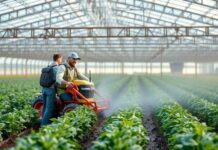
As the agricultural sector grapples with the challenges and opportunities presented by immigration, technology is emerging as a key player in bridging the gap. Advances in agricultural technology, such as precision farming, automated harvesting, and drones, have the potential to reduce the reliance on manual labor and increase the efficiency of agricultural operations. These technologies can also help to address some of the challenges faced by immigrant workers, such as improving working conditions and reducing the physical demands of farm work.
However, the adoption of new technologies also presents its own set of challenges. The high cost of implementing new technologies can be a barrier for small-scale farmers, and the need for specialized training and skills can create a skills gap that needs to be addressed. Additionally, the ethical implications of replacing human labor with machines need to be carefully considered to ensure that the benefits of technological advancements are equitably distributed.
Building a Sustainable Future for Agriculture and Immigration
To build a sustainable future for agriculture and immigration, it is essential to adopt a holistic approach that addresses the needs of both the agricultural sector and immigrant workers. This approach should include policies that protect the rights of immigrant workers, provide pathways to legal status, and ensure fair wages and working conditions. Additionally, it should promote the integration of immigrant farmers into the agricultural sector and support the adoption of new technologies that can enhance the productivity and sustainability of farming practices.
Education and training programs can also play a crucial role in bridging the gap between immigrant workers and the agricultural sector. These programs can provide immigrant workers with the skills and knowledge they need to succeed in the agricultural sector, while also helping farmers to understand the unique challenges and contributions of immigrant workers. By fostering a culture of mutual respect and understanding, we can create a more inclusive and sustainable agricultural sector that benefits everyone.
In conclusion, the intersection of agriculture and immigration is a complex and evolving landscape that presents both challenges and opportunities. By adopting a holistic approach that addresses the needs of both the agricultural sector and immigrant workers, we can build a sustainable future for agriculture that is resilient, productive, and equitable. As we navigate the complexities of immigration policy and agricultural innovation, it is crucial to remember that the success of our agricultural sector depends on the well-being and contributions of all its workers, regardless of their origin or legal status.
Stay informed about the latest global political shifts that could impact agricultural policies and rural economies with our update on current world politics developments.
While we focus on nurturing crops and sustainable practices, it’s fascinating to see how other passions evolve; take a look at Paris football’s historic journey for a captivating change of pace.
To learn more about how farmers can adopt eco-friendly practices, consider exploring sustainable farming techniques for future and their impact on rural communities.