The Evolution of Agriculture
Agriculture has come a long way from its humble beginnings. What started as a means of subsistence for early human societies has evolved into a complex, global industry. Today, agriculture is not just about growing food; it’s about sustainability, efficiency, and meeting the needs of a growing population. The sector has seen significant advancements in technology, from precision farming to genetic engineering, all aimed at increasing yields and reducing environmental impact.
Sustainable Farming Practices
Sustainability is at the heart of modern agriculture. Farmers are increasingly adopting practices that protect the environment while ensuring long-term productivity. Crop rotation, cover cropping, and reduced tillage are just a few examples of techniques that improve soil health and reduce erosion. Additionally, integrated pest management (IPM) strategies help minimize the use of chemical pesticides, promoting a healthier ecosystem.
Water management is another critical aspect of sustainable agriculture. With climate change bringing about unpredictable weather patterns, efficient irrigation systems are essential. Drip irrigation, for instance, delivers water directly to the roots of plants, reducing waste and improving water use efficiency. Moreover, rainwater harvesting and the use of drought-resistant crop varieties are becoming more prevalent, especially in arid regions.
The Role of Technology in Modern Agriculture
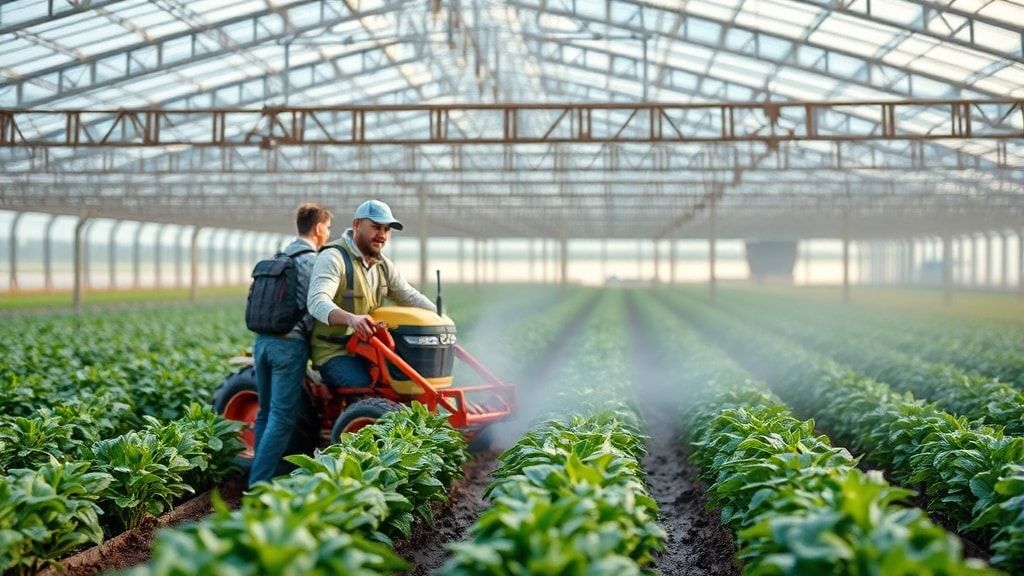
Technology is revolutionizing the way we farm. Precision agriculture, which uses GPS and satellite imagery, allows farmers to monitor their fields in real-time, applying inputs like fertilizers and water only where needed. This not only saves resources but also reduces environmental impact. Drones and autonomous tractors are also becoming more common, increasing efficiency and reducing labor costs.
Data analytics is another game-changer. By collecting and analyzing data on soil health, weather patterns, and crop performance, farmers can make informed decisions that improve yields and reduce risks. Furthermore, the use of sensors and IoT devices enables continuous monitoring of environmental conditions, ensuring optimal growing conditions for crops.
Education and Training in Agriculture
As agriculture becomes more technologically advanced, the need for educated and skilled workers grows. Many educational institutions now offer programs in agricultural science, agronomy, and sustainable farming practices. For those looking to learn from home, resources like evde eğitim müfredat rehberi provide comprehensive guides and courses to help individuals gain the necessary knowledge and skills.
Online platforms and e-learning modules are making agricultural education more accessible than ever. These resources cover a wide range of topics, from basic farming techniques to advanced technologies like genetic engineering and precision agriculture. By leveraging these tools, farmers and aspiring agriculturists can stay updated with the latest trends and best practices in the field.
The Importance of Rural Development
Rural communities are the backbone of agriculture. Investing in rural development is crucial for the sustainability and growth of the sector. Improved infrastructure, access to education, and better healthcare facilities can significantly enhance the quality of life for rural populations. Additionally, providing financial support and resources to small-scale farmers can help them compete in the global market.
Community engagement and cooperative farming are also important aspects of rural development. By working together, farmers can share resources, knowledge, and labor, leading to increased productivity and resilience. Cooperatives can also help farmers access better markets and negotiate fair prices for their produce.
Challenges and Opportunities in Agriculture
The agricultural sector faces numerous challenges, from climate change and soil degradation to market fluctuations and labor shortages. However, these challenges also present opportunities for innovation and growth. For instance, the shift towards sustainable practices can open up new markets for organic and eco-friendly products. Similarly, the adoption of technology can lead to higher efficiency and profitability.
Government policies and international agreements also play a significant role in shaping the future of agriculture. Supportive policies can encourage sustainable practices, while trade agreements can open up new markets for agricultural products. Additionally, research and development in areas like genetic engineering and biotechnology can lead to the development of new crop varieties that are more resilient to climate change and pests.
In conclusion, the future of agriculture lies in embracing sustainability and technology. By adopting innovative practices and leveraging the latest advancements, farmers can meet the growing demands of the population while protecting the environment. Education and rural development are also crucial for the long-term success of the sector. With the right policies and support, agriculture can continue to thrive and feed the world sustainably.
To ensure your farming business’s online presence is as secure as your crops are sustainable, delve into secure internet usage practices and the role of SSL certificates.
As we look ahead to the future of agriculture, discover the innovations shaping the field by exploring technology in farming’s next era and how they can contribute to sustainable rural development.
To discover how technology is reshaping the agricultural landscape, explore digital farming revolution and its impact on sustainable crop production.