The Importance of Sustainable Agriculture
Agriculture is the backbone of human civilization, providing food, fiber, and fuel. However, traditional farming practices have often led to environmental degradation, soil depletion, and biodiversity loss. Sustainable agriculture aims to address these issues by implementing practices that protect the environment, public health, human communities, and animal welfare. By adopting sustainable farming methods, we can ensure the long-term productivity of our farms and the well-being of future generations.
Key Principles of Sustainable Farming
Sustainable farming is built on several key principles:
- Soil Health: Maintaining and improving soil health is crucial for sustainable agriculture. Healthy soil supports plant growth, retains water, and cycles nutrients efficiently.
- Water Management: Efficient water use and conservation are essential, especially in regions prone to drought. Techniques like drip irrigation and rainwater harvesting can significantly reduce water waste.
- Biodiversity: Promoting biodiversity on farms helps create resilient ecosystems. Crop rotation, intercropping, and agroforestry are effective strategies to enhance biodiversity.
- Energy Efficiency: Reducing energy consumption and utilizing renewable energy sources can lower the carbon footprint of farms. Solar panels, wind turbines, and energy-efficient machinery are excellent investments.
- Waste Management: Proper waste management practices, such as composting and recycling, can minimize environmental impact and contribute to a circular economy.
Crop Rotation and Cover Cropping
Crop rotation is a fundamental practice in sustainable agriculture. By rotating crops, farmers can prevent soil depletion, reduce pest and disease cycles, and improve soil structure. Cover cropping is another effective technique that involves planting cover crops like clover or rye during off-seasons. These crops protect the soil from erosion, improve soil fertility, and enhance water retention.
Integrated Pest Management (IPM)
Integrated Pest Management (IPM) is a sustainable approach to pest control that combines biological, cultural, physical, and chemical methods. IPM focuses on long-term prevention of pests through a combination of techniques such as crop rotation, habitat manipulation, and the use of natural predators. This approach reduces the reliance on chemical pesticides, promoting a healthier ecosystem and safer food products.
For more lifestyle tips daily improvement, including sustainable living practices, visit lifestyle tips daily improvement.
The Role of Technology in Sustainable Farming
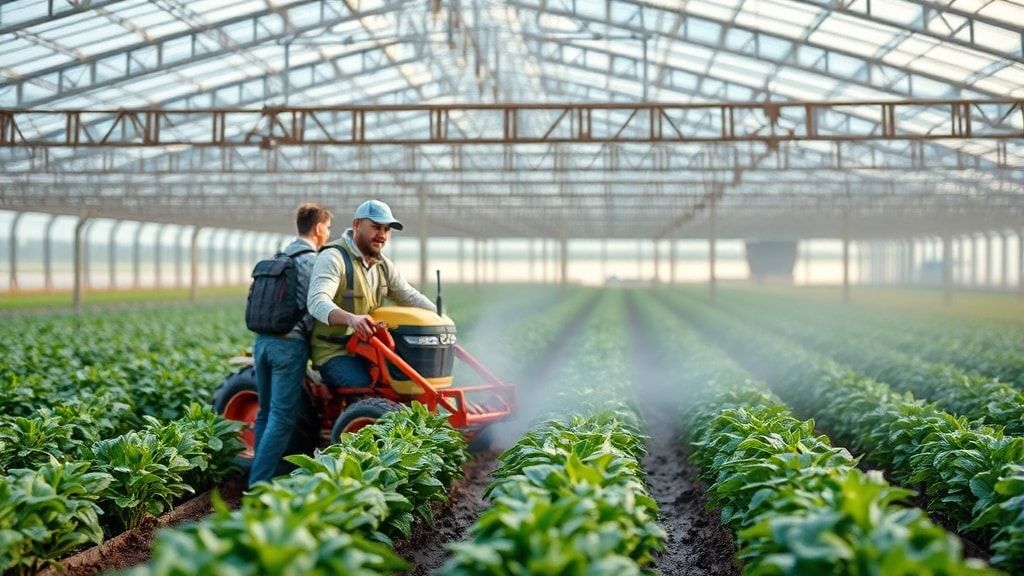
Technology plays a pivotal role in advancing sustainable agriculture. Precision farming, for instance, uses GPS and satellite imagery to optimize crop yields and reduce input costs. Drones and sensors provide real-time data on soil moisture, nutrient levels, and pest infestations, enabling farmers to make informed decisions. Additionally, biotechnology offers solutions like genetically modified crops that are resistant to pests and diseases, reducing the need for chemical interventions.
Renewable Energy in Agriculture
Renewable energy sources such as solar, wind, and biogas are increasingly being integrated into farming operations. Solar panels can power irrigation systems and farm equipment, while wind turbines can generate electricity for on-farm use or sale back to the grid. Biogas systems convert agricultural waste into a clean energy source, reducing greenhouse gas emissions and providing a sustainable energy solution.
Challenges and Future Prospects
Despite the numerous benefits of sustainable agriculture, there are challenges to its widespread adoption. Economic constraints, lack of awareness, and resistance to change are significant barriers. However, with increasing awareness and government incentives, the future of sustainable farming looks promising. Innovations in technology, policy support, and consumer demand for sustainably produced food are driving the transition towards more sustainable agricultural practices.
Community and Policy Support
Community involvement and policy support are crucial for the success of sustainable agriculture. Local communities can support farmers through cooperative efforts, sharing resources, and promoting sustainable practices. Governments can provide incentives, subsidies, and education programs to encourage farmers to adopt sustainable methods. International organizations and NGOs also play a vital role in advocating for sustainable agriculture and providing resources and support to farmers worldwide.
Consumer Awareness and Demand
Consumer awareness and demand for sustainably produced food are growing rapidly. As more people become conscious of the environmental and health impacts of their food choices, there is a rising demand for organic, locally sourced, and sustainably produced products. This shift in consumer behavior is driving farmers to adopt sustainable practices to meet market demands and stay competitive.
In conclusion, sustainable agriculture is not just a trend but a necessity for the future of our planet. By adopting sustainable farming practices, we can protect the environment, ensure food security, and create a healthier, more resilient world. The journey towards sustainability requires collective effort, innovation, and a commitment to long-term environmental stewardship.
To enhance your farming practices and promote environmental stewardship, consider exploring sustainable agriculture techniques that can transform your approach to crop cultivation.
As stewards of the land, we understand the value of community, much like the Catholic faith emphasizes in strengthening bonds through shared beliefs, which can be a source of comfort and support in our rural lives.
While tending to your crops and embracing rural life, don't forget to nurture your personal well-being; discover how with our guide on elevating style and self-care.