The Importance of Sustainable Farming
Sustainable farming is not just a trend; it’s a necessity. As the global population continues to grow, the demand for food increases, putting immense pressure on our agricultural systems. Sustainable farming practices aim to meet these demands while minimizing environmental impact and ensuring the long-term viability of our food production systems. By adopting these practices, farmers can contribute to a healthier planet and more resilient communities.
Crop Rotation: A Timeless Technique
One of the most effective sustainable farming practices is crop rotation. This technique involves planting different crops in the same area in sequential seasons. Crop rotation helps maintain soil health, reduce erosion, and control pests and diseases. It also promotes biodiversity and can improve the overall yield of the farm. Farmers have used this method for centuries, and it remains a cornerstone of sustainable agriculture.
Cover Crops and Soil Health
Cover crops are another essential tool in the sustainable farmer’s toolkit. These crops are planted to cover the soil rather than for harvest. They protect the soil from erosion, improve soil structure, and enhance water retention. Cover crops also add organic matter to the soil, which can improve its fertility and support beneficial microorganisms. Some common cover crops include clover, rye, and vetch.
Integrated Pest Management (IPM)
Integrated Pest Management (IPM) is a sustainable approach to pest control that focuses on long-term prevention and uses a combination of techniques. IPM programs use current, comprehensive information on the life cycles of pests and their interaction with the environment. This information, in combination with available pest control methods, is used to manage pest damage by the most economical means and with the least possible hazard to people, property, and the environment. IPM can significantly reduce the need for chemical pesticides, promoting a healthier ecosystem.
Water Conservation Techniques
Water is a precious resource, and sustainable farming practices aim to conserve it. Techniques such as drip irrigation, rainwater harvesting, and mulching can significantly reduce water usage. Drip irrigation, for example, delivers water directly to the root zone of plants, minimizing evaporation and runoff. Rainwater harvesting involves collecting and storing rainwater for later use, which can be particularly beneficial in areas with seasonal rainfall. Mulching involves covering the soil with organic materials to retain moisture, suppress weeds, and regulate soil temperature.
Staying informed about the latest advancements in sustainable agriculture is crucial for farmers. Keeping up with green energy updates and other relevant news can provide valuable insights and inspire innovative practices. For instance, integrating renewable energy sources like solar or wind power can further reduce the environmental footprint of farming operations.
The Role of Technology in Sustainable Farming
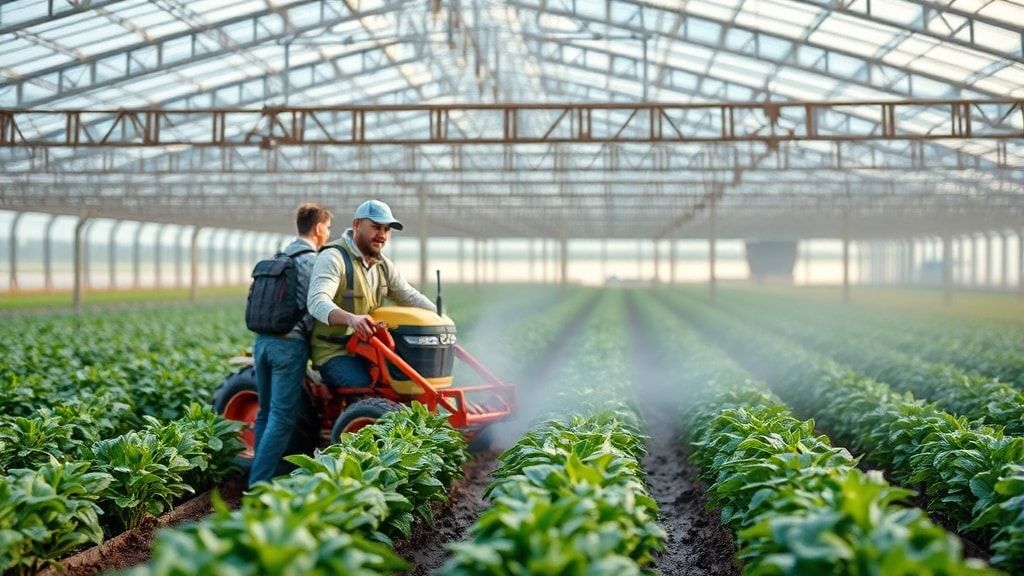
Technology plays a pivotal role in modern sustainable farming. Precision agriculture, for example, uses GPS and satellite imagery to optimize crop yields and reduce input costs. Drones and sensors can monitor soil health, water usage, and crop conditions in real-time, allowing farmers to make data-driven decisions. Additionally, advancements in biotechnology have led to the development of genetically modified crops that are more resistant to pests, diseases, and harsh weather conditions.
Community and Education
Sustainable farming is not just about the practices on the farm; it’s also about education and community involvement. Farmers can share their knowledge and experiences with other farmers, students, and the broader community. Educational programs, workshops, and farm tours can raise awareness about sustainable farming practices and inspire more people to adopt them. Community-supported agriculture (CSA) programs can also foster a deeper connection between farmers and consumers, promoting a more sustainable food system.
In conclusion, sustainable farming practices are essential for meeting the food demands of a growing population while protecting our environment. By adopting techniques like crop rotation, cover cropping, integrated pest management, and water conservation, farmers can contribute to a healthier planet and more resilient communities. Staying informed about the latest advancements and engaging with the community can further enhance the impact of sustainable farming. Together, we can cultivate a greener future.
To understand the impact of extreme weather on agriculture and rural communities, consider exploring Düsseldorf’s historic flood aftermath and the measures taken to support affected regions.
As the agricultural world embraces sustainable practices, it’s fascinating to see how other industries are also evolving, such as in the modern kimono revolution.
As the world of journalism adapts to new challenges and opportunities, it's crucial for those in the agricultural sector to stay informed; delve into journalism's shifting landscape to understand how these changes impact rural storytelling and sustainability reporting.