The Importance of Sustainable Farming
Sustainable farming is not just a buzzword; it’s a critical approach to agriculture that aims to meet the needs of the present without compromising the ability of future generations to meet their own needs. As the global population continues to grow, the demand for food increases, making it more important than ever to adopt farming practices that are both productive and environmentally responsible.
At Chiaseed.net, we understand that sustainable farming is a multifaceted concept that encompasses a wide range of practices, from crop rotation and organic farming to water conservation and soil health management. By implementing these practices, farmers can not only improve the productivity of their land but also contribute to the preservation of our planet’s natural resources.
Crop Rotation: A Cornerstone of Sustainable Farming
Crop rotation is one of the oldest and most effective sustainable farming practices. This technique involves growing different types of crops in a specific order over a series of growing seasons on the same land. By rotating crops, farmers can improve soil fertility, reduce the need for chemical fertilizers, and control pests and diseases naturally.
For example, legumes like beans and peas can fix nitrogen in the soil, benefiting subsequent crops that require more nitrogen. Similarly, deep-rooted crops like alfalfa can break up compacted soil, improving its structure and water-holding capacity. At Chiaseed.net, we encourage farmers to adopt crop rotation as a key strategy for maintaining soil health and ensuring long-term productivity.
Organic Farming: A Holistic Approach
Organic farming is another sustainable practice that focuses on working with natural systems rather than against them. This approach avoids the use of synthetic pesticides and fertilizers, relying instead on natural methods to control pests and enhance soil fertility. Organic farming also emphasizes the importance of biodiversity, both above and below ground, to create a balanced and resilient ecosystem.
One of the benefits of organic farming is that it can improve the overall health of the soil. By using compost and other organic amendments, farmers can increase the organic matter in the soil, which in turn enhances its water-holding capacity and nutrient availability. Additionally, organic farming practices can help reduce the risk of water pollution by minimizing the use of chemical inputs.
While organic farming may require more labor and management, the long-term benefits for both the environment and the farmer can be substantial. At Chiaseed.net, we provide resources and tips for farmers looking to transition to organic farming, helping them navigate the challenges and reap the rewards of this sustainable approach.
Water Conservation: A Vital Component of Sustainable Farming
Water is a precious resource, and its efficient use is crucial for sustainable farming. As climate change continues to affect weather patterns, farmers must adopt water conservation practices to ensure the long-term viability of their operations. Techniques such as drip irrigation, rainwater harvesting, and soil moisture monitoring can help farmers use water more efficiently, reducing waste and improving crop yields.
Drip irrigation, for example, delivers water directly to the root zone of plants, minimizing evaporation and runoff. This method not only conserves water but also reduces the risk of soil erosion and nutrient leaching. Rainwater harvesting involves collecting and storing rainwater for later use, providing a reliable water source during dry periods. At Chiaseed.net, we advocate for these and other water conservation practices to help farmers adapt to changing climatic conditions.
In addition to these technical solutions, farmers can also adopt more sustainable water management practices, such as planting drought-resistant crops and implementing cover cropping to improve soil water retention. By taking a holistic approach to water management, farmers can ensure the long-term sustainability of their operations and contribute to the preservation of this vital resource.
Soil Health Management: The Foundation of Sustainable Farming
Soil health is the foundation of sustainable farming. Healthy soil is teeming with life, from microorganisms and insects to plants and animals. This biodiversity supports a wide range of ecological processes, from nutrient cycling to water filtration. By managing soil health effectively, farmers can improve crop productivity, reduce the need for chemical inputs, and enhance the resilience of their land to environmental stresses.
One of the key practices for maintaining soil health is the use of cover crops. Cover crops are planted during the off-season or between rows of cash crops to protect the soil from erosion, improve its structure, and enhance its fertility. They also provide habitat for beneficial insects and microorganisms, contributing to the overall health of the ecosystem. At Chiaseed.net, we recommend cover cropping as an essential strategy for sustainable soil management.
Another important aspect of soil health management is the reduction of tillage. Conventional tillage practices can disrupt soil structure, reduce organic matter, and increase the risk of erosion. By adopting no-till or reduced-till practices, farmers can preserve soil structure, enhance water infiltration, and improve soil biodiversity. These practices not only benefit the environment but also contribute to the long-term productivity of the land.
Balancing Productivity and Environmental Stewardship
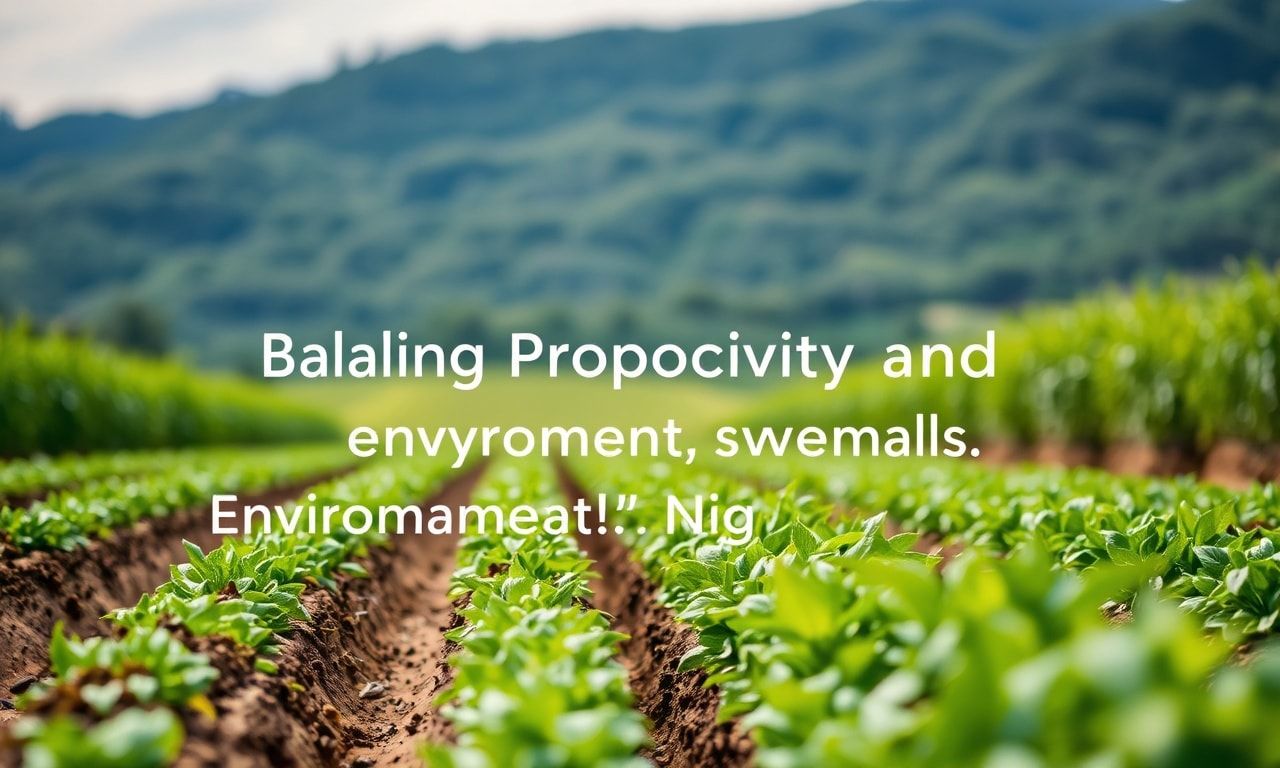
Sustainable farming is about finding a balance between productivity and environmental stewardship. Farmers must meet the demands of a growing population while also protecting the natural resources that support their operations. This requires a holistic approach that integrates various sustainable practices to create a resilient and productive farming system.
At Chiaseed.net, we understand that adopting sustainable farming practices can be challenging, especially for small-scale farmers with limited resources. However, we believe that with the right knowledge, tools, and support, farmers can successfully transition to more sustainable practices and reap the benefits of a healthier, more productive land.
Whether it’s through crop rotation, organic farming, water conservation, or soil health management, sustainable farming practices offer a pathway to a more resilient and productive future for agriculture. By embracing these practices, farmers can not only improve their own operations but also contribute to the preservation of our planet’s natural resources for future generations.
For those looking to balance work and personal life, even in the most demanding fields like agriculture, it’s important to take time for self-care. This might mean exploring new hobbies or interests, such as fashion, to unwind and recharge. For some great ideas on how to stay stylish while managing a busy lifestyle, check out these top fashion tips for curvy women.
To delve deeper into the future of farming and sustainable practices, consider exploring sustainable agriculture’s impact on crops and rural communities.
As farmers worldwide strive to balance productivity with environmental responsibility, exploring sustainable farming practices offers a glimpse into the future of agriculture.
For more insights on this topic, you might find Tarımda Sürdürülebilirlik: Çiftçilerin İçin Rehber particularly informative.