The Importance of Sustainable Agriculture
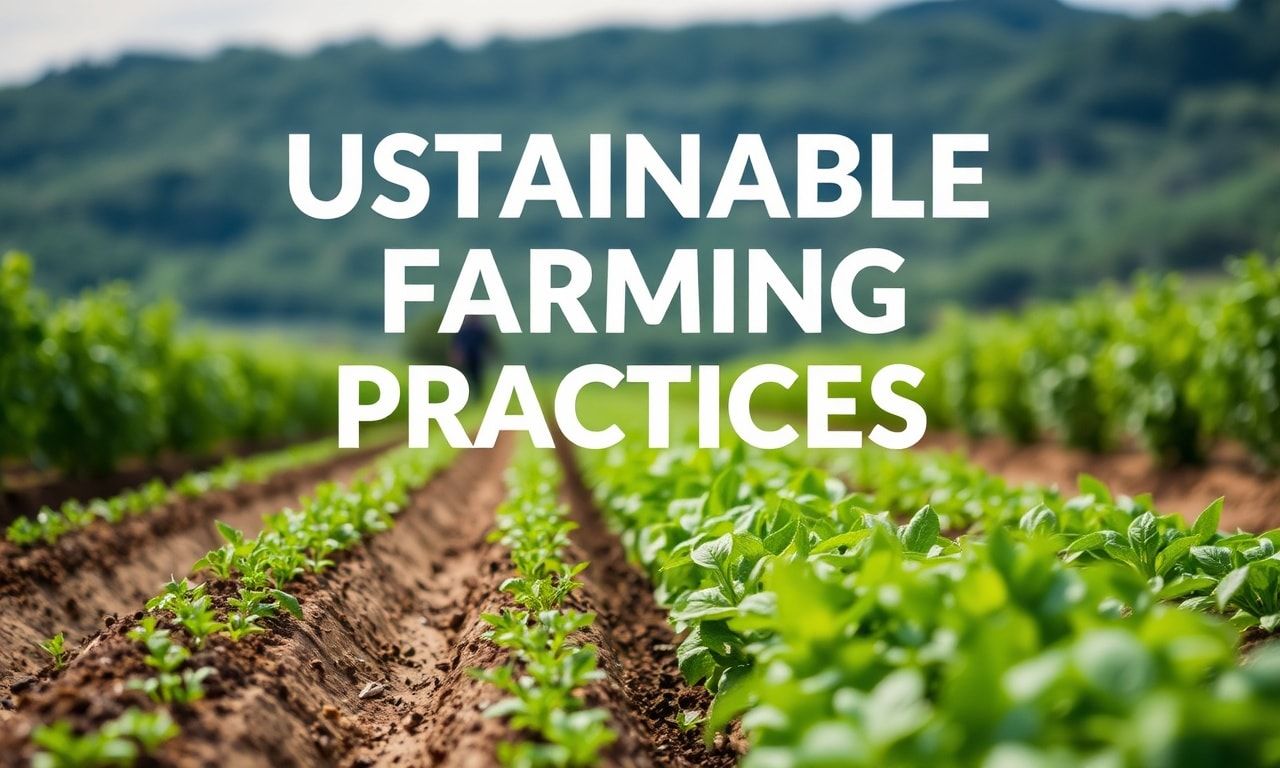
Agriculture is the backbone of many economies, providing food, fiber, and fuel to billions of people worldwide. However, traditional farming practices have often led to environmental degradation, soil depletion, and biodiversity loss. Sustainable agriculture aims to address these issues by implementing practices that protect the environment, public health, human communities, and animal welfare. By adopting sustainable farming techniques, we can ensure food security for future generations while preserving the planet’s natural resources.
Key Principles of Sustainable Farming
Sustainable farming is built on several key principles that focus on maintaining the ecological balance while maximizing productivity. These principles include:
- Soil Health Management: Maintaining and improving soil fertility through crop rotation, cover cropping, and organic amendments.
- Water Conservation: Implementing efficient irrigation systems and rainwater harvesting to reduce water waste.
- Biodiversity Conservation: Promoting diverse ecosystems by planting multiple crop species and creating habitats for beneficial organisms.
- Integrated Pest Management (IPM): Using a combination of biological, cultural, physical, and chemical methods to control pests and diseases.
- Energy Efficiency: Utilizing renewable energy sources and reducing energy consumption through innovative farming techniques.
The Role of Crop Rotation in Sustainable Farming
Crop rotation is a fundamental practice in sustainable agriculture that involves growing different types of crops in the same area in sequential seasons. This technique helps to improve soil structure, enhance nutrient availability, and reduce the buildup of pests and diseases. By rotating crops, farmers can also diversify their income streams and reduce the risk of crop failure due to adverse weather conditions or market fluctuations. Additionally, crop rotation promotes biodiversity, which is essential for maintaining a healthy ecosystem.
Water Conservation Techniques
Water is a precious resource, and its efficient use is crucial for sustainable agriculture. Farmers can adopt several water conservation techniques to minimize waste and maximize productivity. Drip irrigation, for example, delivers water directly to the root zone of plants, reducing evaporation and runoff. Rainwater harvesting systems can also be implemented to collect and store rainwater for use during dry periods. Furthermore, soil moisture sensors and automated irrigation systems can help farmers monitor and control water usage more effectively, ensuring that crops receive the right amount of water at the right time.
For the latest updates on food news in India, including innovative water conservation techniques and sustainable farming practices, visit भारत में खाद्य समाचार आज.
Benefits of Sustainable Farming
Adopting sustainable farming practices offers numerous benefits for farmers, consumers, and the environment. Some of the key advantages include:
- Improved Soil Health: Sustainable practices help to maintain and enhance soil fertility, leading to higher crop yields and better-quality produce.
- Reduced Environmental Impact: By minimizing the use of chemical fertilizers and pesticides, sustainable farming helps to protect water resources, reduce air pollution, and preserve biodiversity.
- Enhanced Resilience: Diversified farming systems are more resilient to climate change, pests, and diseases, ensuring food security even in the face of adversity.
- Economic Viability: Sustainable farming can reduce input costs, improve market access, and create new income streams, making farming more economically viable in the long run.
- Public Health Benefits: Consumers benefit from access to healthier, more nutritious food produced without harmful chemicals.
Challenges and Solutions in Sustainable Farming
While the benefits of sustainable farming are clear, there are also challenges that farmers may face when transitioning to more sustainable practices. These challenges include:
- Initial Investment Costs: Implementing sustainable practices often requires upfront investments in new equipment, training, and infrastructure.
- Knowledge and Skill Gaps: Farmers may lack the knowledge or skills needed to adopt new sustainable techniques effectively.
- Market Access: Farmers may struggle to access markets that value and reward sustainable practices.
- Policy and Regulatory Barriers: In some regions, policies and regulations may not support or incentivize sustainable farming practices.
To overcome these challenges, governments, non-governmental organizations, and private sector partners can collaborate to provide:
- Financial incentives and subsidies for sustainable farming practices.
- Training and education programs to build farmers’ capacity and knowledge.
- Market access and certification programs to connect farmers with consumers who value sustainable products.
- Policy reforms that support and promote sustainable agriculture.
Conclusion
Sustainable farming is not just a trend; it is a necessity for ensuring food security, protecting the environment, and promoting the well-being of farming communities. By adopting sustainable practices, farmers can improve their livelihoods, enhance the resilience of their farms, and contribute to a healthier planet. While challenges exist, collaborative efforts between stakeholders can help overcome these barriers and pave the way for a greener, more sustainable future in agriculture.
To learn about innovative approaches that can help secure our food future, consider exploring sustainable farming solutions for long-term agricultural success.
As we embrace innovative ways to connect with our audience, explore how technology reshapes entertainment engagement and its potential to bring rural communities closer to sustainable agricultural advancements.
In our increasingly connected world, even rural and farming communities can benefit from modern conveniences. Discover how to pick the perfect wireless charger to keep your devices powered, no matter where your work takes you.