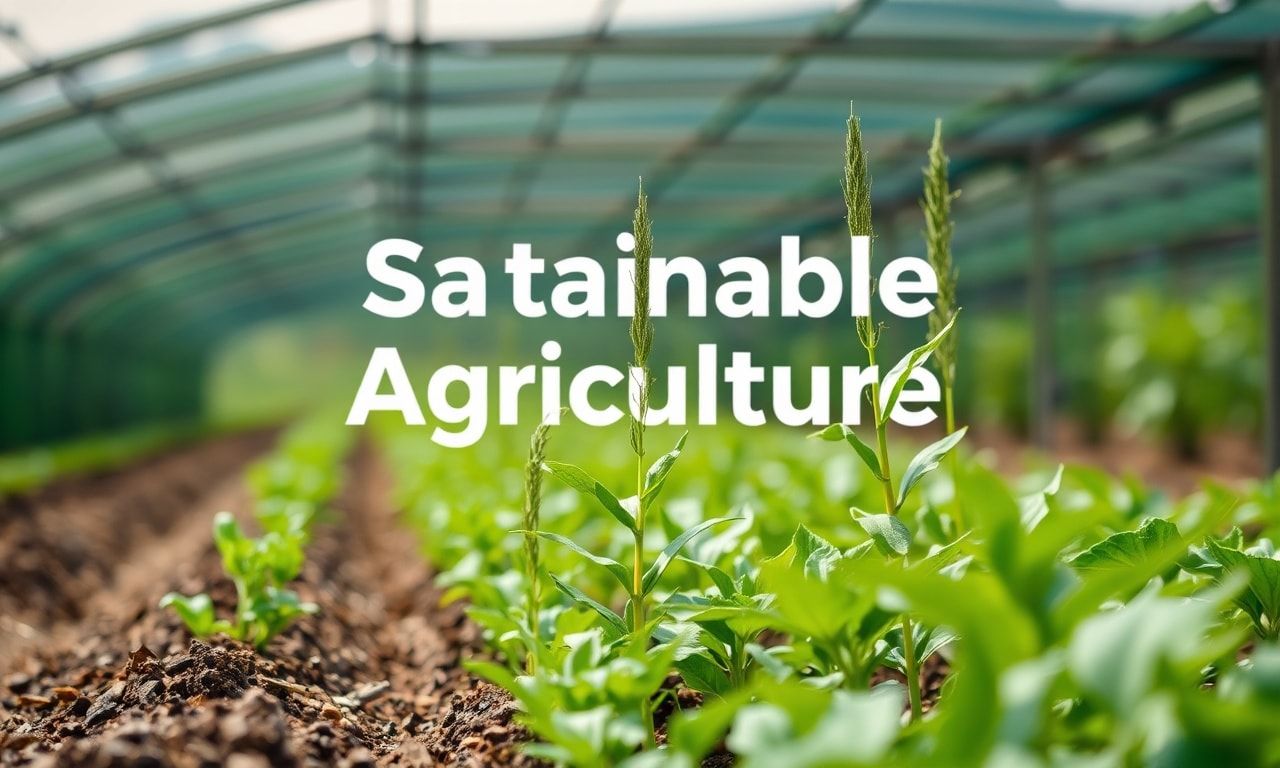
The Importance of Sustainable Agriculture
Sustainable agriculture is a holistic approach to farming that prioritizes environmental health, economic profitability, and social responsibility. As the global population continues to grow, the demand for food increases, making it crucial to adopt practices that ensure long-term productivity without compromising the planet’s resources. Sustainable agriculture aims to meet these needs by integrating innovative techniques and traditional knowledge to create a harmonious balance between agriculture and nature.
Innovations in Sustainable Farming
Innovation is at the heart of sustainable agriculture. Advances in technology and research have led to the development of practices that improve efficiency and reduce environmental impact. For instance, precision agriculture uses GPS and satellite imagery to optimize the use of water, fertilizers, and pesticides, ensuring that resources are used only where needed. This not only reduces waste but also minimizes the environmental footprint of farming activities.
Another significant innovation is the use of biotechnology in agriculture. Genetically modified crops (GMOs) are designed to be more resistant to pests, diseases, and harsh weather conditions, which can lead to higher yields and reduced need for chemical inputs. However, the use of GMOs remains a topic of debate, with proponents highlighting their potential to address food security and critics raising concerns about long-term health and environmental effects.
Crop Diversification and Rotation
Crop diversification and rotation are time-honored practices that play a pivotal role in sustainable agriculture. By growing a variety of crops, farmers can reduce the risk of pest and disease outbreaks, improve soil health, and enhance biodiversity. Crop rotation, in particular, helps to maintain soil fertility by alternating crops that have different nutrient requirements and decomposition rates. This practice also helps to break pest and disease cycles, reducing the need for chemical interventions.
Moreover, diversifying crops can provide farmers with multiple income streams, as different crops can be sold at different times of the year. This not only stabilizes income but also reduces the economic risk associated with relying on a single crop. For example, a farmer might grow wheat for grain, alfalfa for hay, and clover for forage, each serving different markets and providing a steady income throughout the year.
Soil Health and Conservation
Healthy soil is the foundation of sustainable agriculture. Soil conservation practices, such as cover cropping, reduced tillage, and organic matter addition, are essential for maintaining soil structure, fertility, and water-holding capacity. Cover crops, for instance, protect the soil from erosion, improve water infiltration, and add organic matter to the soil. Reduced tillage minimizes soil disturbance, preserving soil structure and microbial activity, which are crucial for nutrient cycling and plant health.
Additionally, the use of organic fertilizers and compost can enhance soil health by providing essential nutrients and promoting beneficial microbial activity. These practices not only improve crop yields but also contribute to long-term soil sustainability. Farmers who prioritize soil health often find that their crops are more resilient to environmental stresses, such as drought and extreme weather events.
Water Management and Efficiency
Water is a precious resource, and efficient water management is critical for sustainable agriculture. Techniques such as drip irrigation, rainwater harvesting, and soil moisture monitoring can significantly reduce water usage and improve crop productivity. Drip irrigation, for example, delivers water directly to the root zone of plants, minimizing evaporation and runoff. This method is particularly effective in arid regions where water scarcity is a major challenge.
Rainwater harvesting involves collecting and storing rainwater for use during dry periods. This practice not only conserves water but also reduces the reliance on groundwater and surface water sources. Soil moisture monitoring uses sensors to measure soil water content, allowing farmers to apply water only when necessary. This precision approach ensures that crops receive the right amount of water at the right time, optimizing growth and yield.
The Role of Technology in Sustainable Agriculture
Technology plays a vital role in advancing sustainable agriculture. From drones and sensors to artificial intelligence and big data, technological innovations are transforming the way farmers manage their operations. Drones, for example, can be used for crop monitoring, pest detection, and even precision spraying of pesticides. This reduces the need for manual labor and ensures that interventions are targeted and efficient.
Artificial intelligence and big data analytics enable farmers to make data-driven decisions. By analyzing data on weather patterns, soil conditions, and crop performance, farmers can optimize their practices to improve yields and reduce environmental impact. For instance, predictive analytics can help farmers anticipate pest outbreaks and take preventive measures, reducing the need for chemical pesticides.
Furthermore, the use of renewable energy sources, such as solar and wind power, can reduce the carbon footprint of agricultural operations. Farmers can install solar panels to power irrigation systems and other equipment, reducing their reliance on fossil fuels and contributing to a cleaner environment.
Fashion and Agriculture: An Unexpected Connection
While agriculture and fashion may seem like unrelated fields, there are interesting connections that highlight the importance of sustainability in both industries. For example, the fashion industry is increasingly exploring sustainable materials and practices, such as organic cotton and recycled fabrics. Similarly, the agricultural sector is adopting eco-friendly techniques to reduce its environmental impact. In a fascinating intersection of these worlds, some fashion brands are collaborating with farmers to promote sustainable practices and raise awareness about the importance of sustainable agriculture. For instance, the brand en trendy yaz aksesuarları 2026 is known for its commitment to sustainability, showcasing how fashion can be both stylish and environmentally conscious.
Conclusion
Sustainable agriculture is not just a trend; it is a necessity for ensuring food security and environmental health in the face of a growing population and climate change. By adopting innovative practices and technologies, farmers can improve productivity, reduce environmental impact, and create a more resilient agricultural system. From crop diversification and soil conservation to water management and the use of technology, sustainable agriculture offers a pathway to a greener and more prosperous future. As consumers and policymakers increasingly recognize the importance of sustainability, the agricultural sector will continue to evolve, embracing practices that benefit both people and the planet.
As you tend to your crops and embrace sustainable practices, consider how your wardrobe can also support your well-being and comfort in the field; discover more in fashion that promotes wellness.
To stay ahead in the ever-evolving world of agriculture, delve into sustainable farming’s future innovations and discover how new technologies are shaping the industry.
To delve deeper into the future of agriculture, consider exploring sustainable farming principles and practices that are shaping the industry.