The Rise of Solar Energy in Agriculture
Agriculture, a sector deeply rooted in tradition, is increasingly embracing modern technologies to enhance sustainability and efficiency. Among these innovations, solar energy stands out as a transformative force. Solar power is not only reducing the carbon footprint of farming operations but also providing economic benefits. This article explores the multifaceted role of solar energy in modern agriculture, highlighting its applications, benefits, and the future prospects it holds for the farming community.
Applications of Solar Energy in Farming
Solar energy has a wide range of applications in agriculture, from powering farm equipment to enhancing crop production. Here are some of the most notable uses:
Irrigation Systems
One of the most significant applications of solar energy in agriculture is in irrigation systems. Solar-powered pumps can draw water from wells or reservoirs, ensuring that crops receive the necessary hydration without relying on grid electricity. This is particularly beneficial in remote areas where access to electricity is limited. Additionally, solar irrigation systems can be integrated with smart technologies to optimize water usage, reducing waste and conserving this precious resource.
Greenhouse Operations
Greenhouses are another area where solar energy is making a substantial impact. Solar panels can provide the electricity needed to power heating, ventilation, and lighting systems within greenhouses. This not only reduces energy costs but also ensures a consistent and controlled environment for plant growth. Furthermore, solar energy can be used to power automated systems that monitor and adjust environmental conditions, enhancing the overall efficiency of greenhouse operations.
Livestock Farming
In livestock farming, solar energy can be used to power various equipment, including milking machines, water heaters, and ventilation systems. This reduces the reliance on fossil fuels and lowers operational costs. Additionally, solar-powered fencing systems can be used to manage livestock, ensuring their safety and well-being while minimizing the need for manual labor.
Benefits of Solar Energy in Agriculture
The adoption of solar energy in agriculture offers numerous benefits, both environmental and economic. Here are some of the key advantages:
Environmental Sustainability
One of the most significant benefits of solar energy is its positive impact on the environment. By reducing the reliance on fossil fuels, solar energy helps to lower greenhouse gas emissions and combat climate change. This is particularly important in agriculture, which is both affected by and contributes to climate change. Additionally, solar energy systems have a long lifespan and require minimal maintenance, further reducing their environmental impact.
Cost Savings
Solar energy can also lead to substantial cost savings for farmers. By generating their own electricity, farmers can reduce their energy bills and protect themselves from rising energy prices. Moreover, many governments offer incentives and subsidies for the adoption of solar energy, making it an even more attractive option for farmers. Over the long term, the initial investment in solar energy systems can be recouped through these savings and incentives.
Energy Independence
Solar energy provides farmers with a degree of energy independence. By generating their own electricity, farmers are less reliant on external energy providers and are better equipped to handle power outages or disruptions. This is particularly important in rural areas, where access to reliable electricity can be a challenge. Additionally, solar energy systems can be designed to store excess energy in batteries, ensuring a continuous supply of electricity even during periods of low sunlight.
Challenges and Considerations
While the benefits of solar energy in agriculture are numerous, there are also challenges and considerations that farmers should be aware of. Here are some of the key issues:
Initial Investment
The initial investment required for solar energy systems can be a barrier for some farmers. While the long-term savings can be substantial, the upfront costs can be prohibitive. However, there are financing options available, such as loans and leasing arrangements, that can help farmers overcome this hurdle. Additionally, the cost of solar energy systems has been decreasing steadily, making them more accessible to a broader range of farmers.
Land Use
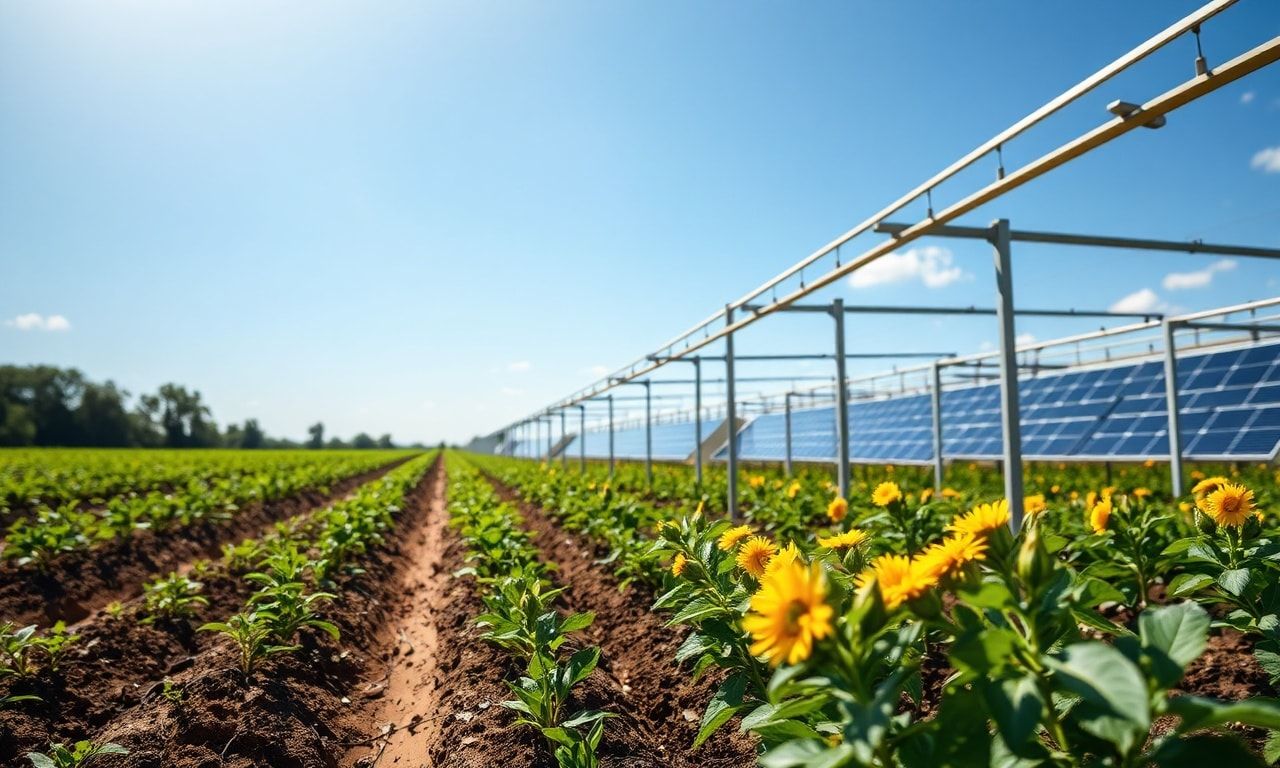
Another consideration is the land use required for solar energy systems. Solar panels need to be installed in areas that receive ample sunlight, which can sometimes conflict with the need for agricultural land. However, innovative solutions such as agrivoltaics, which combine solar panels with agricultural production, can help to address this issue. By integrating solar panels with crops or livestock, farmers can maximize the use of their land and generate additional income streams.
Maintenance and Repair
While solar energy systems require minimal maintenance, they do need to be inspected and serviced regularly to ensure optimal performance. Farmers should be prepared to invest time and resources in maintaining their solar energy systems. Additionally, they should have a plan in place for repairing or replacing components that may fail over time.
Future Prospects
The future of solar energy in agriculture looks bright. As technology continues to advance, solar energy systems are becoming more efficient, affordable, and versatile. Here are some of the exciting developments on the horizon:
Advanced Solar Technologies
Advances in solar technology are paving the way for more efficient and innovative applications in agriculture. For example, thin-film solar panels are lightweight, flexible, and can be integrated into various surfaces, making them ideal for use in agriculture. Additionally, solar-powered drones and robots are being developed to assist with tasks such as crop monitoring, pest control, and harvesting, further enhancing the efficiency of farming operations.
Integration with Other Renewable Energy Sources
Solar energy can be integrated with other renewable energy sources, such as wind and biogas, to create a more resilient and sustainable energy system. By diversifying their energy sources, farmers can ensure a consistent supply of electricity and reduce their reliance on any single technology. This integrated approach can also help to optimize energy production and storage, further enhancing the overall efficiency of farming operations.
Policy and Incentives
Governments around the world are recognizing the importance of renewable energy in agriculture and are implementing policies and incentives to promote its adoption. These include tax credits, grants, and subsidies that can help farmers overcome the financial barriers to adopting solar energy. Additionally, policies that promote energy independence and sustainability can create a more favorable environment for the widespread adoption of solar energy in agriculture.
In conclusion, solar energy is playing an increasingly important role in modern agriculture. From powering irrigation systems to enhancing greenhouse operations, solar energy offers numerous benefits that can help farmers reduce their environmental impact, lower their operating costs, and achieve greater energy independence. While there are challenges and considerations to be aware of, the future prospects for solar energy in agriculture are bright, and farmers who embrace this technology are well-positioned to thrive in a rapidly changing world. For those seeking to balance their farming duties with religious practices, services like prayer times service can provide the necessary reminders and support, ensuring that all aspects of life are harmoniously integrated.
As you traverse the open roads between fields and markets, consider exploring balancing faith and travel schedules to maintain your spiritual routine amidst a busy farming life.
To learn how to balance agricultural productivity with environmental stewardship, explore sustainable farming practices today that protect our planet for future generations.
As we strive for sustainable farming practices, understanding the influence of religious teachings on rural communities can provide valuable insights; explore how faith shapes agriculture in global farming traditions and beliefs.