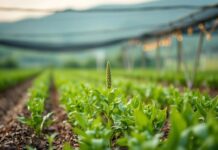
The Role of Herbs in Sustainable Farming
In the pursuit of sustainable agriculture, farmers are increasingly turning to herbs as a versatile and eco-friendly resource. Herbs offer a multitude of benefits, from enhancing soil health to providing natural remedies for livestock and even contributing to human health. Integrating herbs into farming practices can create a more resilient and diverse agricultural system, reducing the reliance on synthetic inputs and promoting biodiversity.
Enhancing Soil Health with Herbs
One of the most significant advantages of incorporating herbs into farming is their ability to improve soil quality. Herbs like clover, alfalfa, and vetch are excellent nitrogen fixers, enriching the soil with essential nutrients. These leguminous herbs form symbiotic relationships with soil bacteria, converting atmospheric nitrogen into a form that plants can absorb. This natural fertilization process reduces the need for chemical fertilizers, promoting a more sustainable and environmentally friendly farming practice.
Additionally, herbs can act as natural mulches, protecting the soil from erosion and retaining moisture. Cover cropping with herbs helps prevent weed growth, reducing the need for herbicides. The deep root systems of many herbs also improve soil structure, enhancing water infiltration and aeration. This holistic approach to soil management fosters a healthier ecosystem, benefiting both crops and the environment.
Natural Pest and Disease Management
Herbs have long been recognized for their pest-repellent properties. Farmers can strategically plant herbs alongside crops to deter pests naturally. For instance, planting basil near tomatoes can repel pests like mosquitoes and flies, while marigolds can deter nematodes and other harmful insects. This practice, known as companion planting, reduces the need for chemical pesticides, promoting a more sustainable and organic farming approach.
Moreover, certain herbs possess antifungal and antibacterial properties, which can help manage plant diseases. For example, garlic and onion extracts have been shown to be effective against various fungal pathogens. By incorporating these herbs into crop rotation and intercropping systems, farmers can create a more resilient agricultural ecosystem that is less susceptible to pests and diseases.
Herbal Remedies for Livestock
Herbs are not only beneficial for crops but also for livestock. Many herbs have medicinal properties that can improve animal health and productivity. For instance, chamomile and peppermint can aid digestion and reduce stress in animals. Farmers can integrate these herbs into animal feed or grow them as forage crops to provide natural health benefits to their livestock.
Furthermore, herbs can be used to create natural remedies for common livestock ailments. For example, garlic has antimicrobial properties that can help treat respiratory infections in animals. By harnessing the power of herbs, farmers can reduce the need for synthetic medications, promoting a more holistic and sustainable approach to animal husbandry.
Herbal Remedies for Human Health
In addition to their agricultural benefits, herbs have been used for centuries to treat various human ailments. Farmers can cultivate herbs not only for their crops but also for personal use or sale. For example, herbs like lavender and lemon balm are known for their calming effects and can be used to make teas and essential oils. These herbal remedies can provide natural alternatives to conventional medications, promoting a healthier lifestyle.
For those interested in exploring the benefits of herbal remedies, visiting herbal remedies for menopause symptoms today can provide valuable insights and resources. This platform offers a wealth of information on how to use herbs effectively for various health conditions, making it a valuable resource for farmers and individuals alike.
Economic Benefits of Herb Cultivation
Incorporating herbs into farming practices can also have significant economic benefits. Herbs are in high demand for their culinary, medicinal, and aromatic properties. Farmers can diversify their income streams by growing and selling herbs for various markets, including local farmers’ markets, online platforms, and specialty stores. Additionally, herbs require relatively low input costs and can be grown in small spaces, making them an accessible and profitable option for farmers of all scales.
Furthermore, the growing interest in organic and natural products has created a lucrative market for herb-based products. Farmers can capitalize on this trend by producing high-quality herbal products, such as teas, essential oils, and herbal supplements. By tapping into this market, farmers can not only increase their revenue but also contribute to the promotion of sustainable and healthy lifestyles.
Conclusion
Incorporating herbs into farming practices offers a multitude of benefits, from enhancing soil health and managing pests to providing natural remedies for livestock and humans. By embracing the power of herbs, farmers can create a more sustainable and resilient agricultural system. Whether for economic gain, environmental stewardship, or personal health, herbs are a valuable addition to any farming operation. As the demand for natural and organic products continues to grow, farmers who integrate herbs into their practices will be well-positioned to thrive in the ever-evolving agricultural landscape.
To enhance your farming practices and contribute to sustainable agriculture, consider exploring the significance of personal growth in education and how it can benefit rural communities.
As farmers and rural communities often rely on natural remedies, you might find ancient home cures for respiratory issues an intriguing read, highlighting traditional solutions that could complement modern agricultural practices.
To learn about the future of farming and sustainable practices, consider exploring sustainability in agriculture today, a comprehensive guide for modern farmers.