The Importance of Sustainable Agriculture
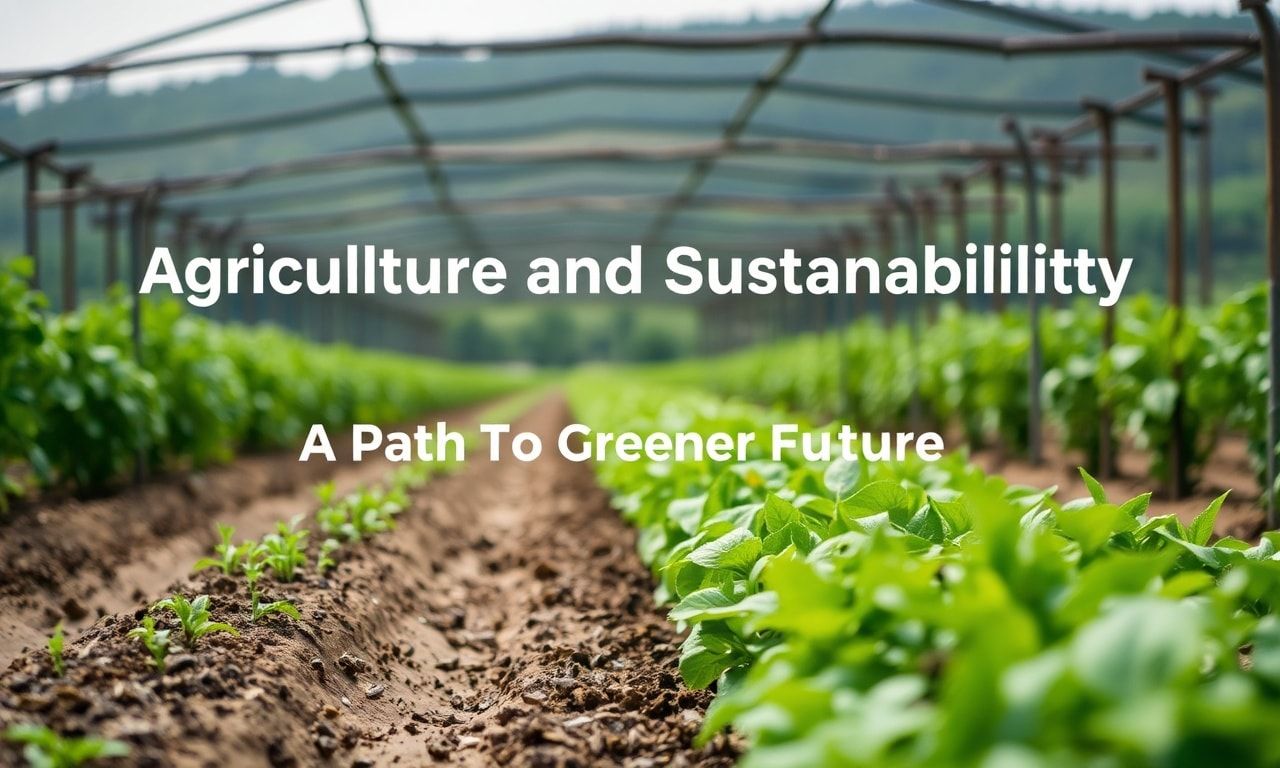
Agriculture is the backbone of human civilization, providing the food and resources necessary for survival. However, traditional farming practices have often come at a cost to the environment. Sustainable agriculture aims to address this issue by implementing methods that protect the environment, public health, human communities, and animal welfare. This approach ensures that agricultural systems can continue to meet the needs of the present without compromising the ability of future generations to meet their own needs.
Key Practices in Sustainable Agriculture
Sustainable agriculture encompasses a wide range of practices that promote environmental health, economic profitability, and social and economic equity. Some of the key practices include:
- Crop Rotation: This practice involves growing different crops in the same area in sequential seasons. It helps to maintain soil fertility, reduce erosion, and control pests and diseases.
- Cover Cropping: Planting cover crops during off-seasons helps to improve soil structure, prevent erosion, and enhance soil fertility.
- Integrated Pest Management (IPM): IPM uses a combination of biological, cultural, physical, and chemical tools to manage pests in an environmentally sensitive manner.
- Agroforestry: This practice integrates trees with crops and livestock, providing multiple benefits such as improved soil health, enhanced biodiversity, and increased farm productivity.
- Organic Farming: Organic farming avoids the use of synthetic pesticides and fertilizers, relying instead on natural methods to maintain soil health and control pests.
The Role of Technology in Sustainable Agriculture
Technology plays a crucial role in advancing sustainable agriculture. Innovations such as precision farming, drones, and satellite imagery help farmers monitor their fields more effectively, optimize resource use, and reduce environmental impact. For instance, precision farming uses GPS technology to apply fertilizers and pesticides only where needed, reducing waste and minimizing environmental contamination. Additionally, advancements in biotechnology have led to the development of genetically modified crops that are more resistant to pests and diseases, reducing the need for chemical inputs.
Community Involvement and Education
Sustainable agriculture is not just about adopting new practices; it also involves educating farmers and the broader community about the benefits of these methods. Community involvement is crucial for the successful implementation of sustainable agriculture practices. Farmers’ cooperatives, educational programs, and workshops can provide valuable knowledge and support to farmers looking to transition to more sustainable practices. Moreover, consumers play a vital role by supporting local farmers and choosing sustainably produced goods. For the latest updates on community initiatives and rural news, you can visit edinburgh rugby news today.
Challenges and Solutions in Sustainable Agriculture
Despite the numerous benefits, sustainable agriculture faces several challenges. These include:
- Economic Constraints: The initial cost of adopting sustainable practices can be high, making it difficult for small-scale farmers to transition.
- Lack of Knowledge: Many farmers may not be aware of the benefits or the methods involved in sustainable agriculture.
- Policy and Regulatory Barriers: In some regions, policies and regulations may not support or incentivize sustainable farming practices.
To overcome these challenges, governments, non-governmental organizations, and private sector entities need to collaborate to provide financial support, education, and policy incentives. Subsidies, grants, and low-interest loans can help farmers adopt sustainable practices. Additionally, educational programs and workshops can raise awareness and provide training on sustainable agriculture techniques.
The Future of Sustainable Agriculture
The future of sustainable agriculture looks promising, with increasing awareness and technological advancements driving the transition towards more eco-friendly farming practices. As consumers become more conscious of the environmental impact of their food choices, the demand for sustainably produced goods is likely to grow. This, in turn, will incentivize farmers to adopt sustainable practices and drive innovation in the agricultural sector. Furthermore, the integration of technology and data-driven approaches will continue to enhance the efficiency and effectiveness of sustainable agriculture.
In conclusion, sustainable agriculture is not just a trend but a necessity for ensuring the long-term viability of our food systems and the health of our planet. By adopting sustainable practices, educating farmers and communities, and overcoming the challenges through collaboration and innovation, we can pave the way for a greener and more sustainable future.
To harmonize your agricultural pursuits with urban living, consider exploring tips for a balanced life in Singapore, where sustainability meets city convenience.
To boost your farm’s online presence and connect with eco-conscious consumers, discover how to harness social proof effectively in our latest article.
In the spirit of holistic development in rural communities, discover how sports boosts learning outcomes and can be integrated into educational programs for farming communities.