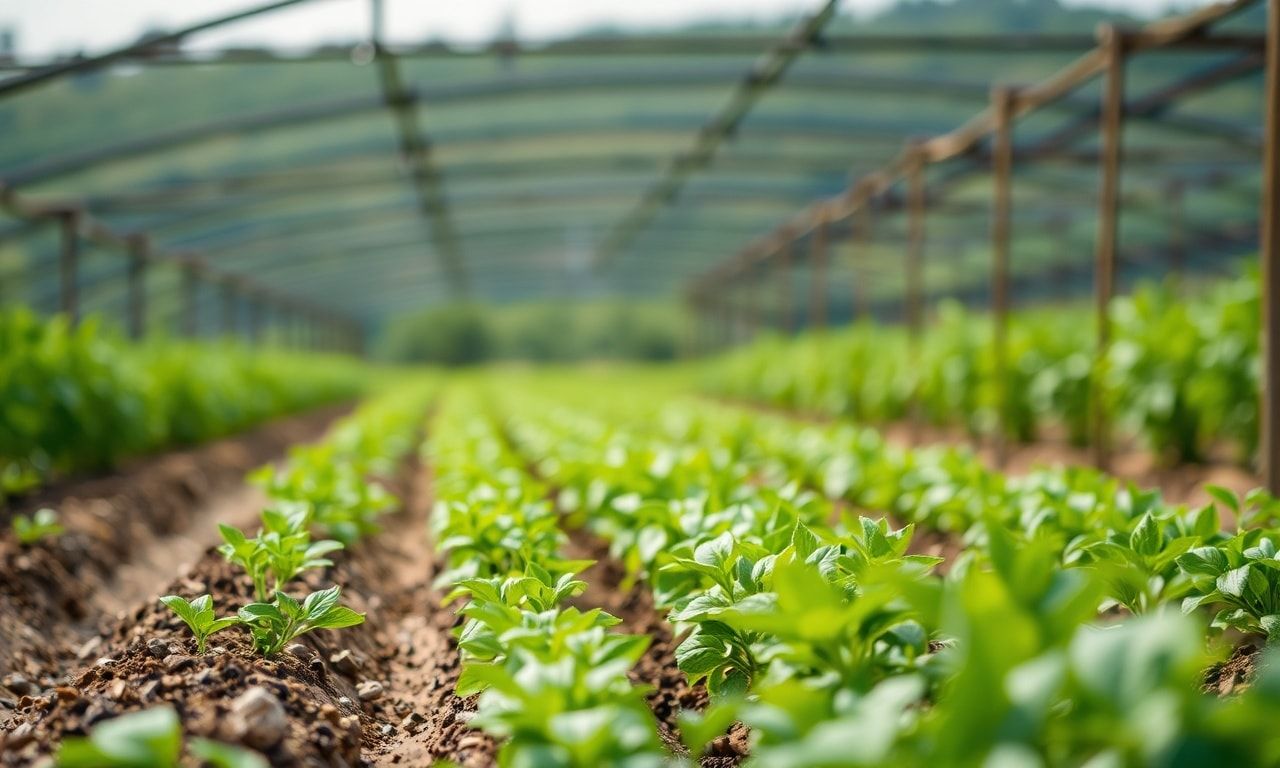
The Importance of Sustainable Farming
Sustainable farming is not just a trend; it’s a necessity for the future of our planet. As the global population continues to grow, the demand for food increases, putting immense pressure on our agricultural systems. Sustainable farming practices aim to meet these demands while minimizing environmental impact. By adopting these practices, farmers can ensure the long-term productivity of their land, protect biodiversity, and contribute to a healthier ecosystem.
Crop Rotation: A Timeless Technique
One of the most effective sustainable farming practices is crop rotation. This technique involves planting different crops in the same area in sequential seasons. Crop rotation helps maintain soil health by replenishing nutrients, reducing soil erosion, and controlling pests and diseases. For instance, legumes can fix nitrogen in the soil, benefiting subsequent crops that require more nitrogen. Farmers can also rotate crops to break pest and disease cycles, reducing the need for chemical pesticides and fertilizers.
Benefits of Crop Rotation
- Improves soil structure and fertility
- Reduces erosion and runoff
- Controls pests and diseases naturally
- Enhances biodiversity
- Increases long-term productivity
Cover Cropping: Protecting and Enriching the Soil
Cover cropping is another sustainable practice that involves planting specific crops to cover the soil rather than leaving it bare. These cover crops, such as clover, rye, or vetch, protect the soil from erosion, improve water infiltration, and add organic matter to the soil. They also suppress weeds and can provide habitat for beneficial insects. When cover crops are terminated, they decompose and release nutrients back into the soil, enriching it for the next crop.
Choosing the Right Cover Crops
Selecting the appropriate cover crops depends on various factors, including climate, soil type, and the main crops being grown. For example, leguminous cover crops like clover are excellent for nitrogen fixation, while grasses like rye are effective for preventing erosion. Farmers should consider their specific goals, such as weed suppression, soil improvement, or pest management, when choosing cover crops.
Integrated Pest Management (IPM): A Holistic Approach
Integrated Pest Management (IPM) is a sustainable approach to pest control that focuses on long-term prevention and uses a combination of techniques. IPM programs use current, comprehensive information on the life cycles of pests and their interaction with the environment. This information, in combination with available pest control methods, is used to manage pest damage by the most economical means and with the least possible hazard to people, property, and the environment.
IPM practitioners rely on a variety of tactics, including biological control, habitat manipulation, modification of cultural practices, and the use of resistant varieties. Chemical pesticides are used only as a last resort and are applied in a targeted manner to minimize environmental impact. By adopting IPM, farmers can reduce their reliance on chemical pesticides, leading to healthier soils, better crops, and a safer environment.
Components of IPM
- Monitoring and identifying pests
- Establishing action thresholds
- Preventing pest problems
- Evaluating and selecting appropriate control methods
- Applying control methods
- Evaluating the effectiveness of the control methods
The Role of Technology in Sustainable Farming
Technology plays a crucial role in modern sustainable farming. Precision agriculture, for instance, uses GPS and satellite imagery to monitor crop health, soil conditions, and weather patterns. This data allows farmers to make informed decisions about planting, irrigation, and harvesting, optimizing resource use and minimizing waste. Additionally, advancements in biotechnology have led to the development of genetically modified crops that are more resistant to pests, diseases, and harsh weather conditions.
Moreover, the rise of agri-tech startups has introduced innovative solutions like drone technology for crop monitoring, automated irrigation systems, and mobile apps for farm management. These technologies not only improve efficiency but also reduce the environmental footprint of farming operations. For example, drones equipped with multispectral sensors can detect early signs of disease or nutrient deficiencies, allowing farmers to take timely action and prevent crop loss.
In the midst of these technological advancements, it’s also important to find moments of relaxation and enjoyment. For many, this means indulging in hobbies like anime. If you’re an anime enthusiast, you might want to check out anime themed anime themed anime giveaways for a chance to win exciting prizes related to your favorite shows and characters.
Conclusion: Embracing Sustainability for a Better Tomorrow
Sustainable farming practices are essential for ensuring the long-term viability of our agricultural systems. By adopting techniques like crop rotation, cover cropping, and integrated pest management, farmers can protect the environment, improve soil health, and enhance biodiversity. The integration of technology further amplifies the benefits of sustainable farming, making it more efficient and effective.
As we move towards a future where the demand for food continues to rise, it is crucial that we embrace sustainable practices. By doing so, we can create a greener, more resilient agricultural system that benefits not only farmers but also the environment and future generations. Let’s work together to cultivate a sustainable future, one crop at a time.
To ensure long-term productivity and environmental health, farmers should consider exploring sustainable farming investment practices that benefit both crops and the planet.
To delve deeper into the future of farming, consider exploring sustainable agriculture practices that are shaping the industry.
As sustainability becomes increasingly vital in all industries, explore how the automotive sector is driving change in innovations for greener futures, offering lessons for rural and agricultural communities alike.