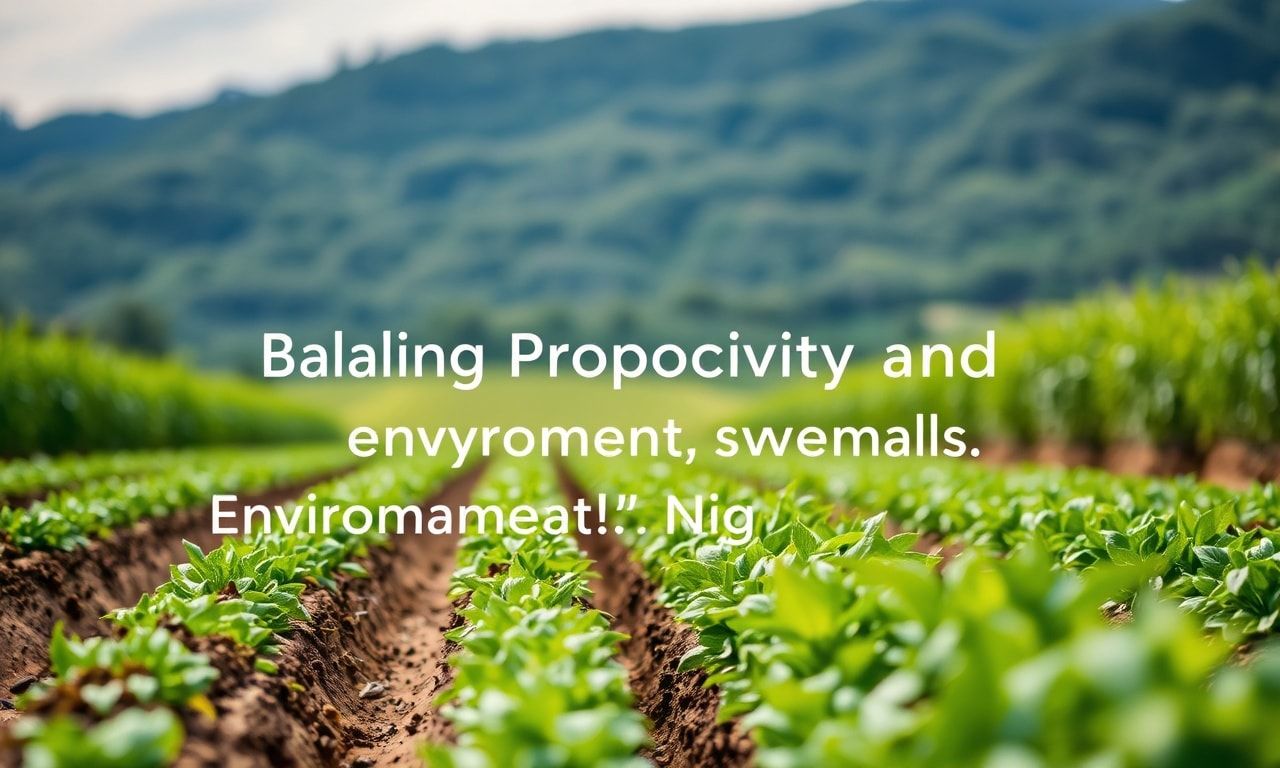
The Importance of Sustainable Farming
Sustainable farming is a critical approach to agriculture that focuses on producing food while maintaining the health of the environment, ensuring economic viability, and promoting social well-being. As the global population continues to grow, the demand for food increases, making it essential to adopt farming practices that can meet these needs without compromising future generations' ability to do the same. Sustainable farming practices not only help in conserving natural resources but also contribute to the overall health and resilience of rural communities.
Key Principles of Sustainable Farming
Sustainable farming is built on several key principles that guide farmers in their practices. These principles include:
- Soil Health: Maintaining and improving soil health is fundamental. This involves practices like crop rotation, cover cropping, and reduced tillage to preserve soil structure and fertility.
- Water Management: Efficient use of water resources is crucial. Techniques such as drip irrigation, rainwater harvesting, and precision irrigation help in minimizing water waste.
- Biodiversity: Promoting biodiversity on farms supports ecosystem health. This can be achieved by planting diverse crops, maintaining hedgerows, and creating wildlife habitats.
- Energy Efficiency: Reducing energy consumption and utilizing renewable energy sources like solar and wind power can lower the carbon footprint of farming operations.
- Waste Reduction: Minimizing waste through composting, recycling, and efficient use of resources helps in reducing the environmental impact of farming.
Integrated Pest Management (IPM)
One of the most effective sustainable farming practices is Integrated Pest Management (IPM). IPM is an ecosystem-based strategy that focuses on long-term prevention of pests through a combination of techniques such as biological control, habitat manipulation, modification of cultural practices, and use of resistant varieties. This approach reduces the reliance on chemical pesticides, which can harm beneficial insects, pollinators, and the overall ecosystem. By adopting IPM, farmers can achieve a balance between pest control and environmental sustainability.
The Role of Technology in Sustainable Farming
Technology plays a pivotal role in advancing sustainable farming practices. Innovations such as precision agriculture, which uses GPS and satellite imagery to optimize crop yields and reduce input waste, are revolutionizing the way farmers manage their land. Additionally, advancements in biotechnology have led to the development of genetically modified crops that are more resistant to pests, diseases, and harsh weather conditions. These technological advancements not only improve productivity but also contribute to the sustainability of farming practices.
Moreover, the integration of health services and agricultural practices is becoming increasingly important. For instance, understanding the impact of farming on rural health can lead to better policies and practices. For the latest updates on health services in agricultural communities, you can refer to Dundee health services news today.
Challenges and Solutions in Sustainable Farming
Despite the benefits, sustainable farming faces several challenges. These include initial high costs, lack of awareness, and resistance to change among farmers. However, these challenges can be overcome through education, government incentives, and community support. Education programs can help farmers understand the long-term benefits of sustainable practices, while government incentives can provide financial support for the adoption of new technologies and practices. Community support can also play a crucial role in promoting sustainable farming by creating a network of farmers who share knowledge and resources.
Economic Viability of Sustainable Farming
One of the primary concerns for farmers is the economic viability of sustainable practices. While the initial investment in sustainable farming can be high, the long-term benefits often outweigh the costs. Sustainable practices can lead to reduced input costs, improved soil health, and higher crop yields, all of which contribute to the economic sustainability of farming operations. Additionally, consumers are increasingly willing to pay a premium for sustainably produced food, providing farmers with an opportunity to tap into new markets and increase their revenue.
Conclusion
Sustainable farming is not just a trend but a necessity for the future of agriculture. By adopting sustainable practices, farmers can ensure the long-term health of their land, the environment, and their communities. While challenges exist, the benefits of sustainable farming are numerous and far-reaching. Through education, technology, and community support, farmers can overcome these challenges and contribute to a more sustainable and resilient agricultural system. As we move forward, it is essential to continue promoting and supporting sustainable farming practices to ensure a healthy and productive future for agriculture.