Introduction to Sustainable Farming
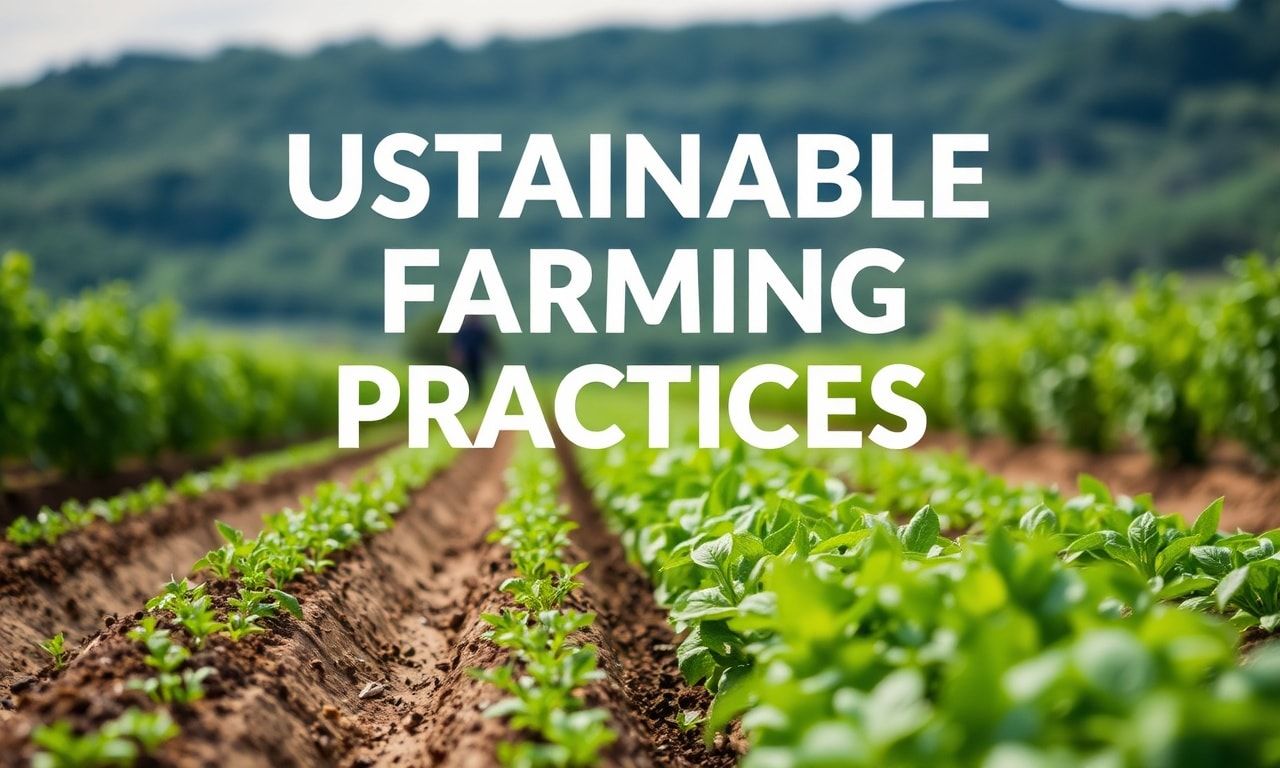
Sustainable farming is a holistic approach to agriculture that focuses on producing food in a way that protects the environment, public health, human communities, and animal welfare. This method of farming is not only beneficial for the planet but also ensures long-term productivity and profitability for farmers. As the world grapples with climate change and resource depletion, sustainable farming practices are becoming increasingly important. In this article, we will explore various aspects of sustainable farming, its benefits, and how you can implement these practices on your farm.
The Principles of Sustainable Farming
Sustainable farming is built on several key principles:
- Soil Health: Maintaining and improving soil health is crucial for sustainable farming. Healthy soil supports plant growth, retains water, and reduces erosion.
- Water Management: Efficient water use and conservation are essential, especially in areas prone to drought.
- Biodiversity: Promoting biodiversity helps create a balanced ecosystem that is more resilient to pests and diseases.
- Waste Reduction: Minimizing waste and recycling nutrients back into the farm system can reduce costs and environmental impact.
- Energy Efficiency: Using renewable energy sources and reducing energy consumption can lower costs and carbon footprint.
Soil Health and Management
Soil is the foundation of agriculture. Healthy soil is teeming with life, including bacteria, fungi, and insects, which all play a role in nutrient cycling and plant growth. To maintain soil health, farmers can adopt practices such as crop rotation, cover cropping, and reduced tillage. These methods help preserve soil structure, improve water retention, and reduce erosion. Additionally, using organic fertilizers and compost can enhance soil fertility without harming the environment.
Water Management Techniques
Water is a precious resource, and efficient management is crucial for sustainable farming. Drip irrigation systems, for example, deliver water directly to the roots of plants, reducing waste and improving efficiency. Rainwater harvesting and the use of drought-resistant crops can also help conserve water. Farmers should also monitor water quality to ensure that it is safe for both crops and livestock.
Benefits of Sustainable Farming
Adopting sustainable farming practices offers numerous benefits, not just for the environment but also for farmers and consumers. Here are some of the key advantages:
- Environmental Benefits: Sustainable farming reduces pollution, conserves water, and protects biodiversity. It also helps mitigate climate change by reducing greenhouse gas emissions.
- Economic Benefits: While the initial investment in sustainable practices can be high, the long-term savings on inputs like fertilizers and pesticides can be significant. Additionally, consumers are increasingly willing to pay a premium for sustainably produced goods.
- Health Benefits: Foods produced using sustainable methods are often healthier, as they are free from harmful chemicals and pesticides. This can lead to better health outcomes for consumers.
- Community Benefits: Sustainable farming supports local economies by creating jobs and promoting local food systems. It also fosters a sense of community and shared responsibility for the environment.
Investing in Sustainable Agriculture
For those interested in investing in sustainable agriculture, there are numerous opportunities. From supporting local farmers’ markets to investing in agribusinesses that prioritize sustainability, there are many ways to contribute to a greener future. If you’re looking for financial investment opportunities, you might also consider exploring the top stock market investment tips in Bangladesh, where sustainable agriculture is gaining traction as a viable and profitable sector.
Challenges and Solutions
Despite the numerous benefits, sustainable farming also faces several challenges. These include high initial costs, lack of knowledge and training, and resistance to change. However, these challenges can be overcome with the right strategies and support.
Overcoming Financial Barriers
One of the biggest hurdles for farmers is the initial investment required to adopt sustainable practices. Government subsidies, grants, and low-interest loans can help alleviate this burden. Additionally, farmers can start small and gradually implement changes as their budget allows. Collaborating with other farmers to share resources and knowledge can also reduce costs.
Education and Training
Education and training are crucial for the successful adoption of sustainable farming practices. Farmers need access to up-to-date information and training programs to learn about new techniques and technologies. Agricultural extension services, workshops, and online courses can provide valuable knowledge and support. Farmers should also be encouraged to share their experiences and learn from each other through networking and collaboration.
Conclusion
Sustainable farming is not just a trend; it is a necessity for the future of agriculture. By adopting sustainable practices, farmers can protect the environment, improve their livelihoods, and contribute to a healthier society. While challenges exist, the benefits far outweigh the costs. With the right support and resources, sustainable farming can become the norm rather than the exception. As consumers, investors, and policymakers, we all have a role to play in promoting and supporting sustainable agriculture. Together, we can build a greener, more sustainable future for generations to come.
To gain a deeper understanding of sustainable agriculture practices and innovations, explore Turkey’s farming future insights and discover how they are shaping the rural landscape.
To delve deeper into the intersection of agriculture and sustainability, consider exploring sustainable farming investment insights and their pivotal role in shaping the future of rural landscapes.
To stay ahead in modern farming, understanding the latest tech trends can be invaluable; explore tech advancements shaping agriculture for sustainable practices.