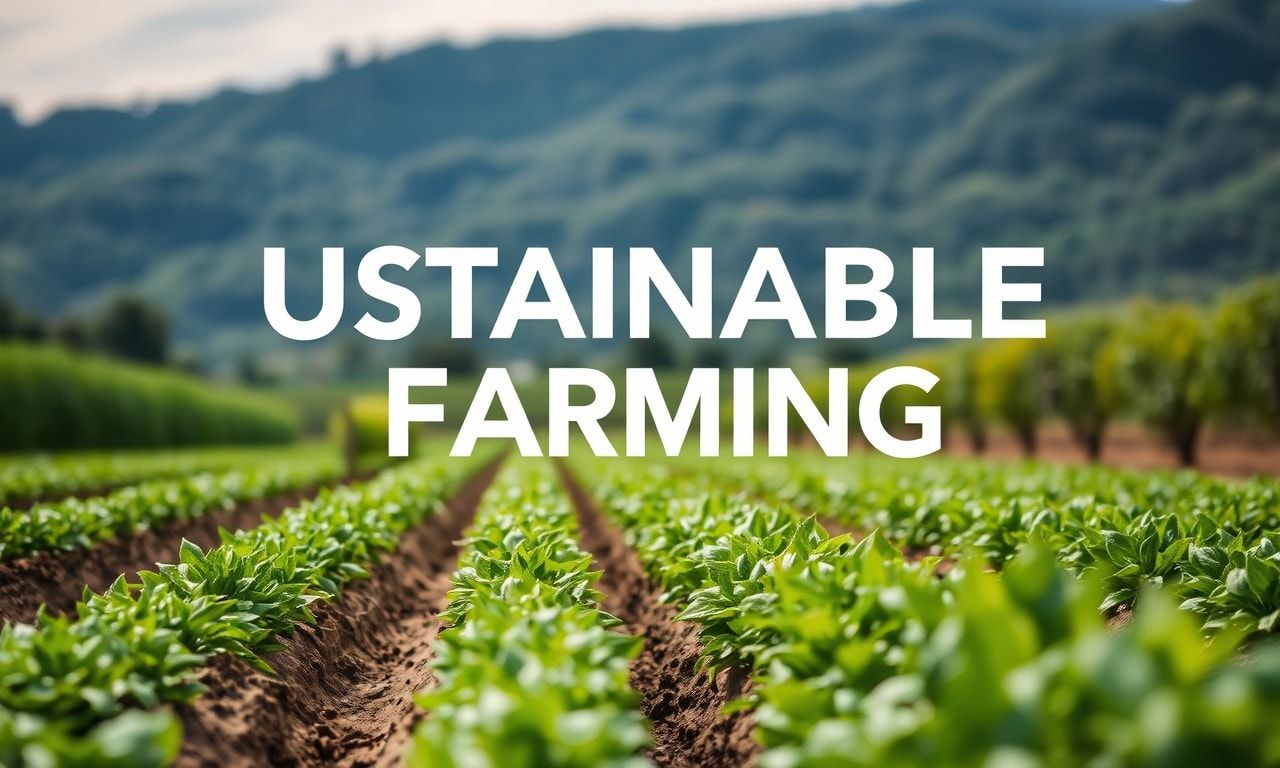
The Evolution of Sustainable Farming
Sustainable farming has evolved from a niche practice to a mainstream approach, driven by the need to feed a growing population while preserving the planet’s resources. This evolution is marked by a shift from conventional, input-intensive agriculture to practices that prioritize ecological balance, biodiversity, and long-term soil health. Farmers today are increasingly adopting techniques that reduce reliance on synthetic inputs, enhance natural ecosystems, and promote resilience against climate change.
One of the key aspects of sustainable farming is the integration of traditional knowledge with modern technology. This synergy allows farmers to optimize resource use, minimize waste, and improve overall productivity. For instance, precision agriculture uses data analytics and GPS technology to apply water, fertilizer, and pesticides only where needed, reducing environmental impact and costs. Similarly, crop rotation and cover cropping are time-honored practices that enhance soil fertility and reduce erosion, contributing to long-term sustainability.
Moreover, sustainable farming is not just about the environment; it’s also about economic viability and social responsibility. Farmers who adopt sustainable practices often find that they can reduce input costs, improve crop yields, and access premium markets willing to pay more for sustainably produced goods. This approach also supports rural communities by creating jobs and fostering local economic development.
The Role of Biodiversity in Sustainable Agriculture
Biodiversity is a cornerstone of sustainable agriculture. A diverse farm ecosystem is more resilient to pests, diseases, and climate variability. By incorporating a variety of crops, farmers can create a balanced environment that supports beneficial insects, reduces the need for chemical pesticides, and enhances soil health. Crop diversity also helps in nutrient cycling, as different plants have different nutrient requirements and contribute differently to the soil.
Agroforestry, the practice of integrating trees with crops and livestock, is another way to enhance biodiversity. Trees provide shade, reduce soil erosion, and improve water retention. They also offer habitats for wildlife, promoting a healthier ecosystem. Additionally, agroforestry systems can provide additional income streams for farmers through the sale of timber, fruits, and nuts.
Incorporating biodiversity into farming practices also involves preserving and enhancing natural habitats within and around farmlands. This can include maintaining hedgerows, ponds, and wildflower strips, which support a wide range of species. These habitats not only benefit the environment but also contribute to the overall productivity and sustainability of the farm.
Challenges and Solutions in Promoting Biodiversity
While the benefits of biodiversity are clear, promoting it on farms can be challenging. Farmers often face pressure to maximize productivity and may be hesitant to allocate land to non-productive purposes. However, there are several strategies that can help. For instance, farmers can integrate biodiversity into their existing systems by choosing crop varieties that support pollinators and beneficial insects. They can also adopt integrated pest management (IPM) practices, which use a combination of biological, cultural, physical, and chemical tools to control pests in an environmentally friendly way.
Another challenge is the lack of awareness and knowledge about the benefits of biodiversity. Education and outreach programs can play a crucial role in promoting biodiversity-friendly practices. Farmers can learn from each other through workshops, field days, and demonstration projects. Additionally, policymakers can support biodiversity initiatives through incentives, grants, and technical assistance.
The Importance of Soil Health in Sustainable Farming
Soil health is fundamental to sustainable farming. Healthy soil is teeming with life, including bacteria, fungi, insects, and earthworms, all of which play vital roles in nutrient cycling and soil structure. Maintaining soil health involves practices that preserve and enhance these biological processes, such as reducing tillage, adding organic matter, and rotating crops.
Reducing tillage, or adopting no-till farming, helps preserve soil structure and reduces erosion. It also minimizes the disruption of soil organisms and enhances water retention. Adding organic matter, through compost, cover crops, or manure, improves soil fertility and structure. Organic matter acts as a sponge, holding onto water and nutrients, and providing a habitat for beneficial microorganisms.
Crop rotation is another key practice for maintaining soil health. By rotating crops, farmers can break pest and disease cycles, improve nutrient availability, and enhance soil structure. For example, legumes can fix nitrogen in the soil, reducing the need for synthetic fertilizers. Cover crops, planted between main crops, can also improve soil health by adding organic matter, preventing erosion, and suppressing weeds.
Innovative Technologies for Soil Health
Innovative technologies are playing an increasingly important role in promoting soil health. For instance, soil sensors can provide real-time data on moisture, temperature, and nutrient levels, allowing farmers to make informed decisions about irrigation, fertilization, and planting. This precision approach helps optimize resource use and minimize environmental impact.
Another exciting development is the use of biochar, a charcoal-like substance produced from plant matter and stored in the soil. Biochar can improve soil fertility, enhance water retention, and sequester carbon, making it a valuable tool for sustainable farming. Additionally, biochar can help reduce greenhouse gas emissions by locking carbon in the soil rather than releasing it into the atmosphere.
Sustainable Farming and Rural Development
Sustainable farming is not just about environmental benefits; it also plays a crucial role in rural development. By adopting sustainable practices, farmers can reduce input costs, improve crop yields, and access premium markets. This can lead to increased income and economic stability for rural communities.
Moreover, sustainable farming can create new job opportunities in rural areas. For instance, the production and sale of organic and locally grown produce can support local economies and reduce the need for long-distance transportation. Additionally, sustainable farming practices often require more labor than conventional methods, providing employment opportunities for rural residents.
In addition to economic benefits, sustainable farming can also enhance the quality of life in rural communities. By promoting biodiversity and preserving natural habitats, sustainable farming can create a healthier environment for residents. This can lead to improved health outcomes, reduced healthcare costs, and a higher quality of life.
Supporting Sustainable Farming through Policy and Education
To fully realize the benefits of sustainable farming, it is essential to have supportive policies and education programs. Governments can play a crucial role by providing incentives, grants, and technical assistance to farmers who adopt sustainable practices. Additionally, education and outreach programs can help farmers learn about the benefits of sustainable farming and the best practices to implement.
Community involvement is also crucial. Farmers, researchers, policymakers, and community members can work together to promote sustainable farming and rural development. By sharing knowledge, resources, and best practices, they can create a more sustainable and resilient future for rural communities.
In conclusion, sustainable farming is a multifaceted approach that balances productivity, environmental stewardship, and social responsibility. By adopting sustainable practices, farmers can enhance biodiversity, improve soil health, and support rural development. With the right policies, education, and community involvement, sustainable farming can contribute to a more sustainable and resilient future for all.
As we strive to balance productivity with environmental responsibility, exploring sustainable farming practices can offer valuable insights for a more resilient agricultural future.
To learn about the latest advancements in sustainable agriculture, consider exploring innovative farming approaches that are shaping the future of crop production.