The Importance of Sustainable Farming
Sustainable farming is not just a trend; it’s a necessity. As the global population continues to grow, the demand for food increases, putting immense pressure on our agricultural systems. Sustainable farming practices aim to meet these demands while minimizing environmental impact. By adopting these practices, farmers can ensure food security, protect biodiversity, and mitigate climate change.
Crop Rotation: A Time-Tested Technique
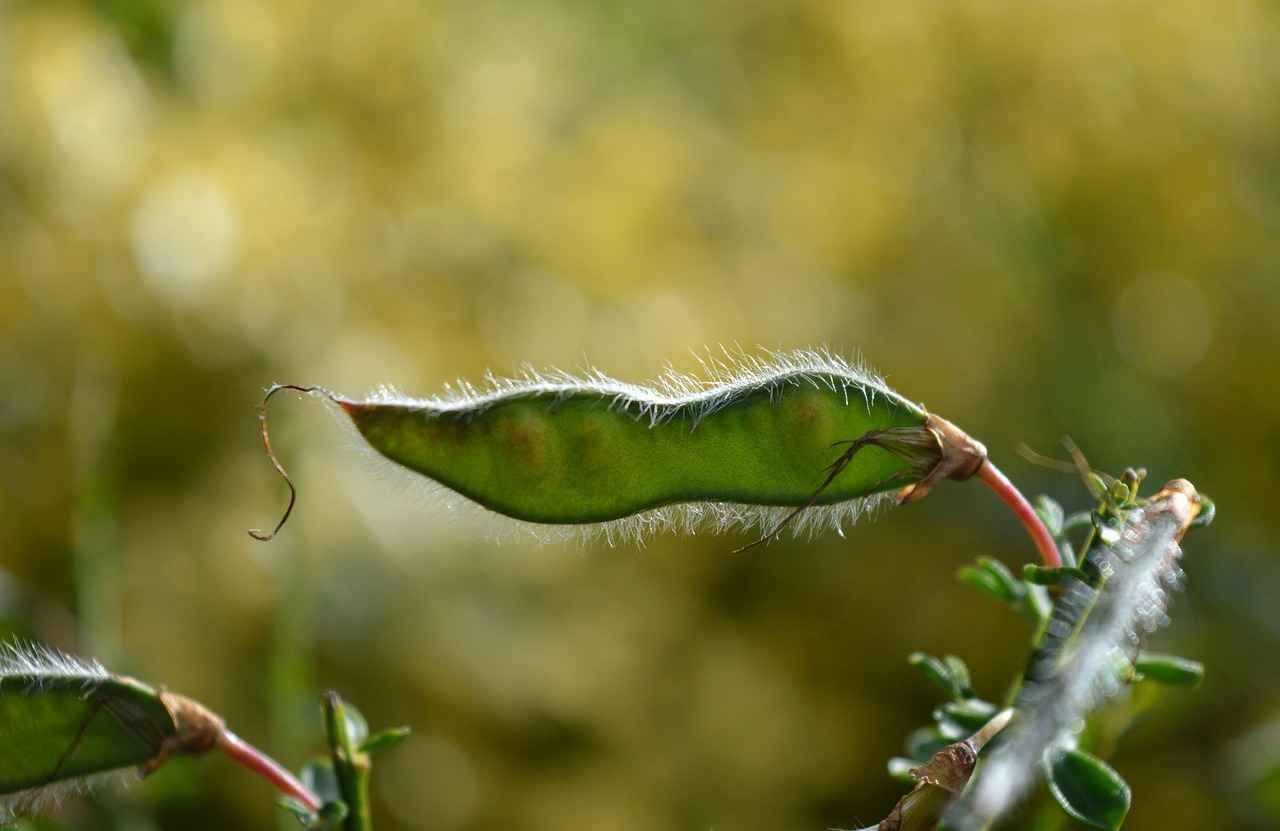
One of the fundamental sustainable farming practices is crop rotation. This technique involves growing different crops in a sequential manner on the same plot of land. Crop rotation helps maintain soil health, reduce erosion, and control pests and diseases. It also enhances soil fertility by allowing different plants to utilize various nutrients. For instance, legumes can fix nitrogen in the soil, benefiting subsequent crops that require more nitrogen.
Benefits of Crop Rotation
- Soil Health: Different crops have different nutrient requirements and contribute differently to soil organic matter.
- Pest and Disease Control: Rotating crops disrupts the life cycles of pests and diseases that are specific to certain plants.
- Erosion Control: Planting cover crops or deep-rooted plants can prevent soil erosion.
- Biodiversity: Diverse cropping systems support a wider range of wildlife.
Organic Farming: A Holistic Approach
Organic farming is another sustainable practice that focuses on working with natural ecosystems rather than against them. This approach avoids the use of synthetic pesticides and fertilizers, relying instead on natural methods to maintain soil health and control pests. Organic farming also emphasizes the importance of biodiversity, both above and below the ground. For example, beneficial insects and microorganisms play crucial roles in maintaining ecological balance.
In addition to its environmental benefits, organic farming can also lead to healthier produce. Studies have shown that organic fruits and vegetables often have higher levels of certain nutrients and antioxidants. Moreover, organic farming practices can improve water quality by reducing runoff of harmful chemicals into waterways.
Challenges of Organic Farming
Despite its benefits, organic farming is not without its challenges. One of the main obstacles is the higher labor and management requirements compared to conventional farming. Organic farmers must also deal with stricter regulations and certification processes. However, with the right knowledge and resources, these challenges can be overcome. For instance, farmers can use natural pest control methods and composting to enhance soil fertility.
Agroforestry: Integrating Trees and Crops
Agroforestry is a land management system that integrates trees, crops, and sometimes livestock on the same plot of land. This practice can improve soil health, increase biodiversity, and provide additional income streams for farmers. Trees can provide shade, reduce wind speed, and improve microclimates, which can be beneficial for certain crops. Additionally, trees can help sequester carbon, mitigating the impacts of climate change.
Agroforestry systems can take many forms, including alley cropping, silvopasture, and windbreaks. Each system has its unique benefits and is suited to different environmental and economic conditions. For example, alley cropping involves planting rows of trees or shrubs alternating with rows of crops. The trees provide shade and wind protection, while the crops benefit from the improved soil conditions created by the trees.
Benefits of Agroforestry
- Soil Improvement: Trees can prevent soil erosion and improve soil structure.
- Biodiversity: Agroforestry systems support a wide range of plant and animal species.
- Climate Mitigation: Trees can sequester carbon, helping to offset greenhouse gas emissions.
- Income Diversification: Farmers can sell tree products such as fruits, nuts, or timber, providing additional income streams.
Precision Agriculture: Technology Meets Farming
Precision agriculture is a modern approach that uses technology to optimize farm management practices. This includes the use of GPS, remote sensing, and data analytics to monitor and manage crops more efficiently. Precision agriculture can help farmers reduce input costs, improve yields, and minimize environmental impact. For example, variable rate technology (VRT) allows farmers to apply fertilizers and pesticides only where they are needed, reducing waste and environmental contamination.
Another aspect of precision agriculture is the use of drones and satellite imagery to monitor crop health. These technologies can provide real-time data on crop conditions, allowing farmers to take timely action. For instance, if a certain area of the field shows signs of stress, farmers can investigate and address the issue before it affects the entire crop.
Challenges of Precision Agriculture
While precision agriculture offers many benefits, it also comes with challenges. The initial investment in technology can be high, and farmers may require training to use these tools effectively. Additionally, data privacy and security are important considerations, as sensitive information about farm operations could be at risk. However, with the right support and resources, these challenges can be managed.
Conclusion
Sustainable farming practices are essential for ensuring food security and protecting the environment. By adopting techniques such as crop rotation, organic farming, agroforestry, and precision agriculture, farmers can improve soil health, enhance biodiversity, and mitigate climate change. These practices not only benefit the environment but also provide economic and social benefits for farmers and communities. As we move towards a greener future, it is crucial to support and promote sustainable farming practices. For those interested in sustainable practices beyond farming, exploring resources like kumaş boyama işleri için en iyi malzemeler can provide valuable insights into eco-friendly materials and techniques.
If you’re passionate about the future of agriculture, delve into sustainable farming practices today to discover how farmers are embracing innovative, eco-friendly techniques to secure tomorrow’s harvests.
In our ongoing exploration of sustainable farming practices, we invite you to delve into the power of spices in natural living, uncovering how these humble crops contribute to healthier lifestyles and agricultural diversity.
To gain a deeper understanding of the future of farming and sustainable practices, consider exploring sustainability in modern agriculture and its impact on rural communities.