The Importance of Sustainable Farming
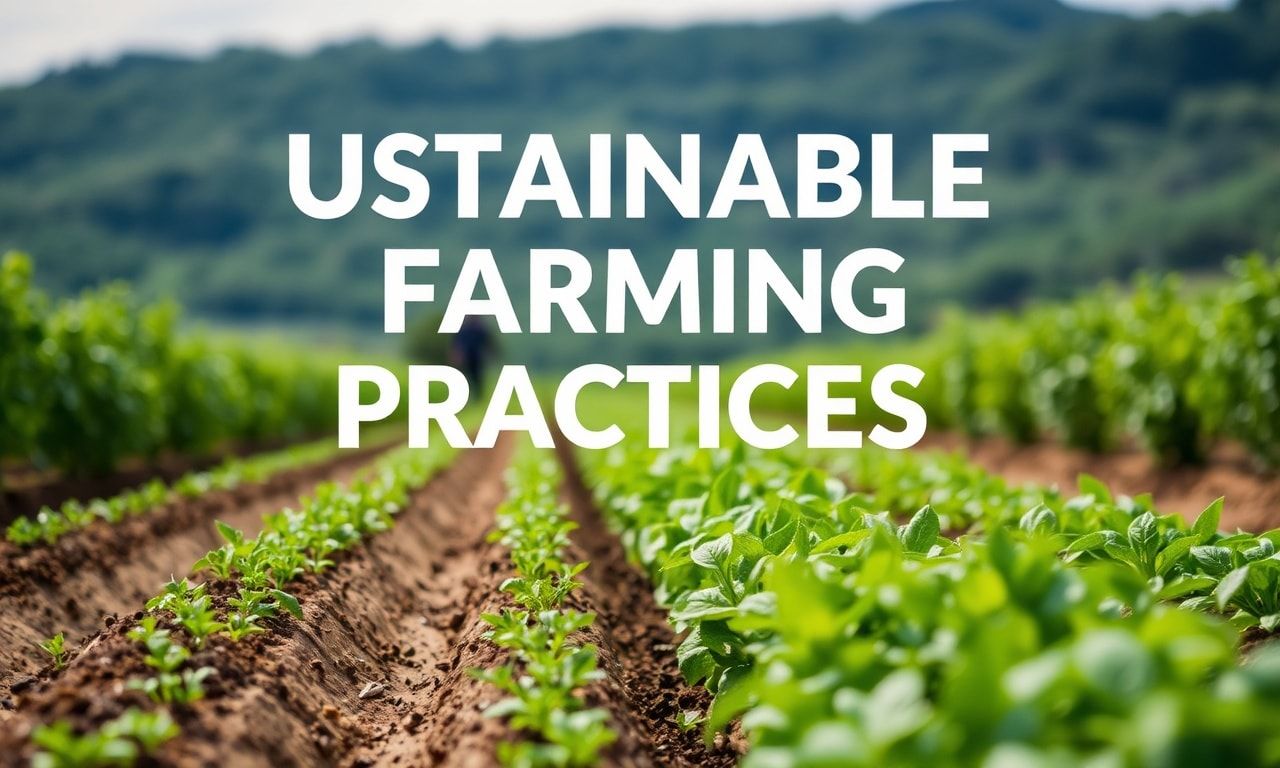
Sustainable farming is not just a trend; it is a necessity for the future of agriculture. With the global population expected to reach 9.7 billion by 2050, the demand for food will increase significantly. Sustainable farming practices aim to meet this demand while minimizing the environmental impact. These practices focus on preserving natural resources, reducing pollution, and maintaining the health of the soil, water, and air. By adopting sustainable methods, farmers can ensure food security for future generations without compromising the environment.
Key Sustainable Farming Practices
There are several key practices that define sustainable farming. These include:
- Crop Rotation: This involves planting different crops in the same area in sequential seasons. It helps in maintaining soil fertility and reducing the buildup of pests and diseases.
- Cover Cropping: Planting cover crops like clover or rye during off-seasons helps prevent soil erosion, improves soil structure, and adds organic matter to the soil.
- Integrated Pest Management (IPM): IPM uses a combination of biological, cultural, physical, and chemical methods to control pests in an environmentally friendly way.
- Organic Farming: Avoiding synthetic pesticides and fertilizers in favor of natural alternatives can significantly reduce environmental pollution and promote healthier ecosystems.
- Water Conservation: Implementing efficient irrigation systems and rainwater harvesting techniques can help conserve water, a precious resource in agriculture.
The Role of Technology in Sustainable Farming
Technology plays a crucial role in advancing sustainable farming practices. Precision agriculture, for instance, uses GPS and satellite imagery to monitor crop health and optimize resource use. Drones and sensors can provide real-time data on soil moisture, nutrient levels, and pest infestations, allowing farmers to make informed decisions. Additionally, advancements in biotechnology have led to the development of genetically modified crops that are more resistant to pests and diseases, reducing the need for chemical interventions. These technological innovations not only improve farm productivity but also contribute to environmental sustainability.
Moreover, the integration of renewable energy sources like solar and wind power into farming operations can further reduce the carbon footprint of agriculture. For example, solar-powered irrigation systems can significantly cut down on energy costs and reduce reliance on fossil fuels. Investing in such technologies not only benefits the environment but also enhances the economic viability of farming operations.
Economic and Social Benefits
Sustainable farming practices offer numerous economic and social benefits. By reducing input costs through efficient resource management, farmers can improve their profitability. Additionally, sustainable farms often qualify for government subsidies and grants aimed at promoting environmentally friendly practices. This financial support can help farmers invest in new technologies and infrastructure, further enhancing their productivity and sustainability.
The social benefits of sustainable farming are equally significant. Sustainable farms often create job opportunities in rural areas, contributing to local economic development. They also promote community engagement and education about the importance of environmental stewardship. For instance, community-supported agriculture (CSA) programs allow consumers to directly support local farmers by purchasing shares of the farm’s harvest. This not only provides a stable income for farmers but also fosters a sense of community and shared responsibility for the environment.
In urban areas like bakırköy’de en iyi iş imkânları, the demand for locally grown, sustainable produce is on the rise. Consumers are increasingly aware of the environmental and health benefits of sustainable farming, driving the growth of farmers’ markets and community-supported agriculture programs. This trend highlights the growing importance of sustainable farming in both rural and urban settings.
Challenges and Solutions
Despite the numerous benefits, sustainable farming also faces several challenges. One of the main obstacles is the initial investment required to adopt new technologies and practices. Many small-scale farmers may lack the financial resources to make these investments. Additionally, the transition to sustainable farming can be complex and time-consuming, requiring extensive training and education.
To overcome these challenges, governments, non-profit organizations, and private sector entities can provide financial support, technical assistance, and educational resources to farmers. Collaborative efforts between farmers, researchers, and policymakers can also help develop innovative solutions tailored to the specific needs of different farming communities. By addressing these challenges, we can accelerate the adoption of sustainable farming practices and create a more resilient and sustainable agricultural system.
Conclusion
Sustainable farming is a vital component of a greener future. By adopting practices that conserve natural resources, reduce pollution, and promote biodiversity, farmers can ensure food security for future generations while protecting the environment. The integration of technology, economic incentives, and community engagement further enhances the viability and impact of sustainable farming. While challenges remain, collaborative efforts and innovative solutions can pave the way for a more sustainable and resilient agricultural system. Embracing sustainable farming practices is not just a choice; it is a necessity for the well-being of our planet and future generations.
As stewards of the land, it’s crucial to recognize the link between our mental health and financial stability; explore mental health and finances for a holistic perspective.
You may also find Navigating the Complexities of Modern Journalism: helpful as it covers related aspects of this subject.
Readers interested in this subject may also want to explore Tarımda Sürdürülebilirlik: Geleceğin Çiftçileri İçin Yollar for additional perspectives.