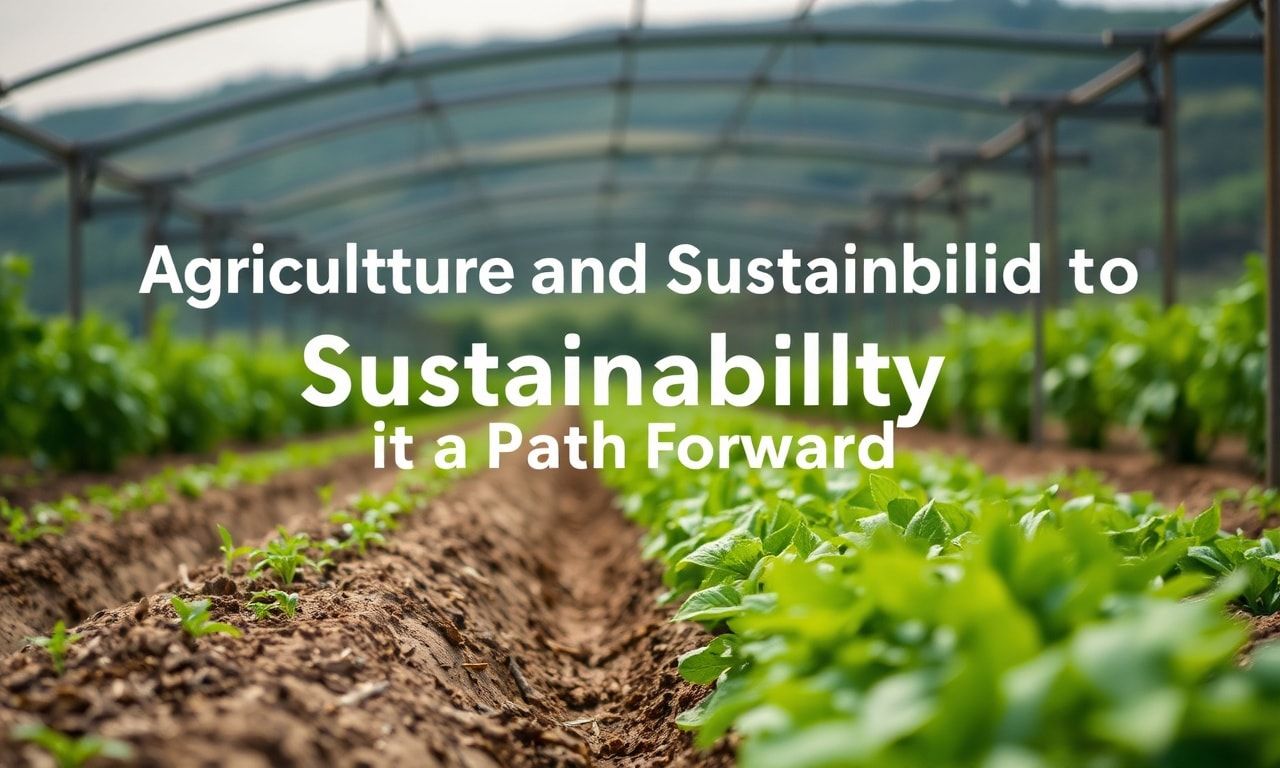
The Importance of Sustainable Agriculture
Agriculture is the backbone of human civilization, providing the food and resources necessary for survival. However, traditional farming practices have often come at a significant environmental cost. As the global population continues to grow, the need for sustainable agriculture becomes increasingly urgent. Sustainable agriculture focuses on producing food and fiber in a way that protects the environment, public health, human communities, and animal welfare. This approach ensures that agricultural systems can continue to meet the needs of future generations.
Key Principles of Sustainable Agriculture
Sustainable agriculture is built on several key principles, including:
- Soil Health: Maintaining and improving soil health is crucial for sustainable agriculture. Healthy soil supports plant growth, retains water, and reduces erosion.
- Water Management: Efficient water use and conservation are essential, especially in regions prone to drought.
- Biodiversity: Promoting biodiversity helps create resilient ecosystems that can better withstand pests, diseases, and climate change.
- Energy Efficiency: Reducing energy consumption and utilizing renewable energy sources can lower the environmental impact of farming.
- Community Engagement: Involving local communities in agricultural decisions ensures that practices are socially responsible and beneficial.
Innovations in Sustainable Farming
The agricultural sector is witnessing a wave of innovations aimed at enhancing sustainability. From precision agriculture to agroecology, these advancements are transforming how farmers operate. Precision agriculture, for instance, uses technology such as GPS, sensors, and data analytics to optimize crop yields while minimizing resource use. Agroecology, on the other hand, integrates ecological principles into farming practices to create sustainable and resilient agricultural systems.
Another promising innovation is the use of cover crops. Cover crops are planted to cover the soil rather than for harvest. They improve soil health, prevent erosion, and enhance water retention. Additionally, they can suppress weeds, reduce the need for herbicides, and provide habitat for beneficial insects. Farmers are also exploring the benefits of crop rotation, which involves growing different crops in the same area in sequential seasons. This practice helps maintain soil fertility, control pests and diseases, and reduce the need for chemical inputs.
The Role of Technology in Sustainable Agriculture
Technology plays a pivotal role in advancing sustainable agriculture. Drones, for example, are used for monitoring crops, assessing soil health, and applying pesticides precisely. Satellite imagery provides valuable data on weather patterns, soil moisture, and crop health, enabling farmers to make informed decisions. Furthermore, the Internet of Things (IoT) allows for real-time monitoring of various agricultural parameters, such as temperature, humidity, and soil moisture, leading to more efficient resource management.
Artificial intelligence (AI) and machine learning are also making significant strides in agriculture. AI algorithms can analyze vast amounts of data to predict crop yields, detect diseases, and optimize irrigation schedules. Machine learning models can identify patterns and trends that humans might miss, providing valuable insights for farmers. These technologies not only improve efficiency but also reduce the environmental impact of farming practices.
Challenges and Solutions in Sustainable Agriculture
Despite the numerous benefits, sustainable agriculture faces several challenges. One of the primary obstacles is the initial cost of implementing sustainable practices. Farmers often require significant investments in technology, training, and infrastructure. Additionally, there is a need for policy support and incentives to encourage farmers to adopt sustainable practices. Education and awareness are also crucial, as many farmers may be unaware of the long-term benefits of sustainable agriculture.
To overcome these challenges, collaboration between farmers, researchers, policymakers, and communities is essential. Governments can provide subsidies, tax incentives, and grants to support sustainable farming practices. Educational programs can raise awareness and provide training on sustainable techniques. Moreover, partnerships between farmers and agricultural researchers can facilitate the development and implementation of innovative solutions.
In the UK, for example, initiatives like the Glasgow fire news today highlight the importance of community engagement and collaboration in addressing environmental challenges. Similar efforts in the agricultural sector can lead to significant improvements in sustainability and resilience.
The Future of Sustainable Agriculture
The future of sustainable agriculture looks promising, with ongoing research and technological advancements paving the way for more efficient and environmentally friendly farming practices. The integration of renewable energy sources, such as solar and wind power, into agricultural systems can further reduce the carbon footprint of farming. Additionally, the development of biofuels and bioplastics from agricultural waste can create new economic opportunities while promoting sustainability.
As consumers become more conscious of the environmental impact of their food choices, there is a growing demand for sustainably produced goods. This shift in consumer behavior can drive the adoption of sustainable practices by farmers and encourage the development of new markets for eco-friendly products. Ultimately, the future of agriculture lies in balancing productivity with environmental stewardship, ensuring that the needs of current and future generations are met.
Conclusion
Sustainable agriculture is not just a trend; it is a necessity for the future of our planet. By adopting sustainable practices, farmers can protect the environment, enhance soil health, and ensure the long-term viability of their operations. Innovations in technology, policy support, and community engagement are crucial in driving this transition. As we move forward, it is essential to continue exploring and implementing new strategies to make agriculture more sustainable and resilient. The path to a sustainable future lies in our collective efforts to promote and support sustainable agriculture.
As we strive for sustainable farming practices, understanding the role of education in medical advancements can offer unique insights for rural communities; discover more in modern education’s impact on health.
If you’re curious about sustainable urban farming, don’t miss Glasgow’s hidden green gems, a fascinating look at how cities can blend agriculture and beauty.
After a long day tending to your crops and livestock, there’s nothing quite like returning to a warm and inviting home; for tips on creating that perfect rural retreat, explore crafting a snug home.