The Evolution of Agriculture
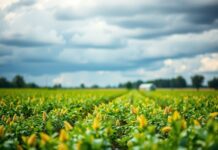
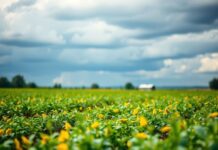
Agriculture has come a long way from its humble beginnings. What started as simple subsistence farming has evolved into a complex, global industry. Today, agriculture is not just about producing food; it’s about sustainability, efficiency, and environmental stewardship. As the world’s population continues to grow, the demand for food increases, and so does the pressure on our agricultural systems.
Modern agriculture is characterized by technological advancements, such as precision farming, genetic engineering, and sustainable practices. These innovations aim to increase crop yields, improve farm management, and reduce environmental impact. However, the future of agriculture also involves addressing challenges like climate change, soil degradation, and water scarcity.
Sustainable Farming Practices
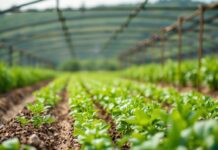
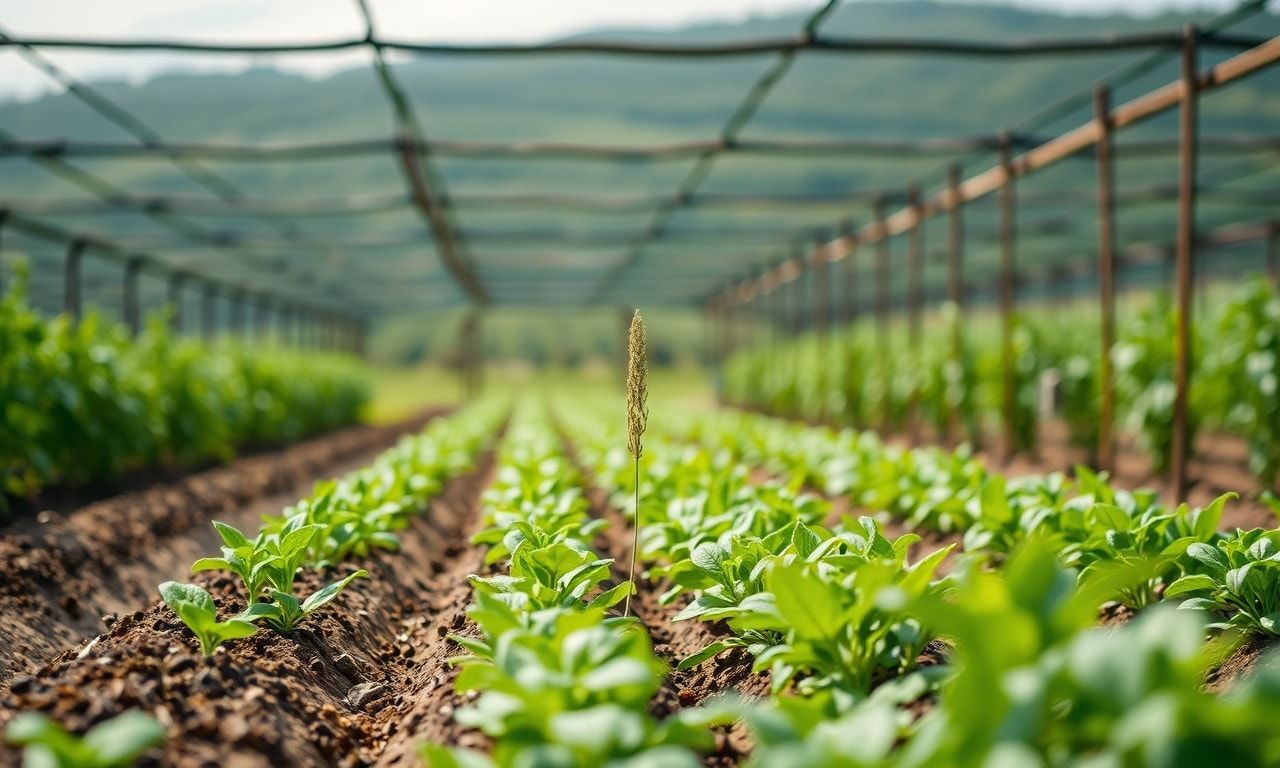
Sustainable farming practices are essential for ensuring the long-term viability of agriculture. These practices focus on maintaining the productivity of farmland while minimizing environmental impact. Some key sustainable farming practices include:
- Crop Rotation: Rotating crops helps maintain soil health, reduce erosion, and control pests and diseases.
- Cover Cropping: Planting cover crops during off-seasons improves soil structure, prevents erosion, and enhances biodiversity.
- Integrated Pest Management (IPM): IPM uses a combination of biological, cultural, physical, and chemical methods to control pests while minimizing environmental impact.
- Conservation Tillage: Reducing or eliminating tillage helps preserve soil structure, reduce erosion, and improve water retention.
The Role of Technology in Sustainable Agriculture
Technology plays a crucial role in advancing sustainable agriculture. Innovations like precision farming, drones, and satellite imagery enable farmers to monitor their fields more accurately and make data-driven decisions. For instance, precision farming uses GPS and sensors to apply fertilizers and pesticides only where needed, reducing waste and environmental impact.
Additionally, genetic engineering has led to the development of crops that are more resistant to pests, diseases, and harsh weather conditions. These advancements not only increase yields but also reduce the need for chemical inputs, contributing to a more sustainable agricultural system.
Global Initiatives and Policy Updates
Governments and international organizations are increasingly recognizing the importance of sustainable agriculture. Policies and initiatives are being implemented to support farmers in adopting sustainable practices. For example, the Shanghai council news decisions update highlights recent policy changes aimed at promoting sustainable agriculture in the region. These updates often include subsidies for sustainable practices, research funding, and educational programs for farmers.
Moreover, global initiatives like the United Nations’ Sustainable Development Goals (SDGs) emphasize the need for sustainable agriculture to achieve food security and environmental sustainability. These goals encourage countries to adopt practices that protect natural resources, reduce greenhouse gas emissions, and promote biodiversity.
Challenges and Opportunities
Despite the progress, there are still significant challenges in achieving sustainable agriculture. Climate change, for instance, poses a major threat to agricultural productivity. Extreme weather events, rising temperatures, and changing precipitation patterns can disrupt crop growth and reduce yields. Farmers need to adapt to these changes by adopting resilient crop varieties and implementing climate-smart agricultural practices.
Another challenge is the degradation of soil and water resources. Intensive farming practices can lead to soil erosion, nutrient depletion, and water pollution. Addressing these issues requires a holistic approach that integrates sustainable farming practices, conservation efforts, and policy support.
However, there are also numerous opportunities in sustainable agriculture. The growing demand for organic and locally produced food presents a market opportunity for farmers to diversify their income streams. Additionally, advancements in technology and innovation continue to offer new solutions for sustainable farming, from vertical farming to lab-grown meat.
The Way Forward
The future of agriculture lies in balancing productivity with sustainability. Farmers, researchers, policymakers, and consumers all have a role to play in shaping this future. By adopting sustainable practices, investing in research and development, and supporting policy initiatives, we can create a more resilient and sustainable agricultural system.
Education and awareness are also crucial. Farmers need access to the latest information and technologies to make informed decisions. Consumers, on the other hand, can support sustainable agriculture by choosing locally produced, organic, and environmentally friendly products. Together, we can ensure that agriculture continues to thrive while protecting our planet for future generations.
As stewards of the land, it’s essential to reflect on our values and beliefs in the face of modern challenges; consider exploring faith in today’s world and how it intersects with our agricultural practices and sustainability efforts.
To help farmers adapt and thrive in a changing world, explore sustainable farming practices that can shape the future of agriculture.
As we explore sustainable practices in rural areas, it’s insightful to see how technology shapes urban growth and what lessons we can learn for agricultural advancements.