The Intersection of Agriculture and Renewable Energy
Agriculture is the backbone of many economies, providing food, fiber, and fuel. However, it is also an energy-intensive industry. As the world shifts towards sustainable practices, the integration of renewable energy sources, particularly solar energy, into agricultural operations is becoming increasingly prevalent. This shift not only reduces the carbon footprint but also enhances the economic viability of farming.
Benefits of Solar Energy in Agriculture
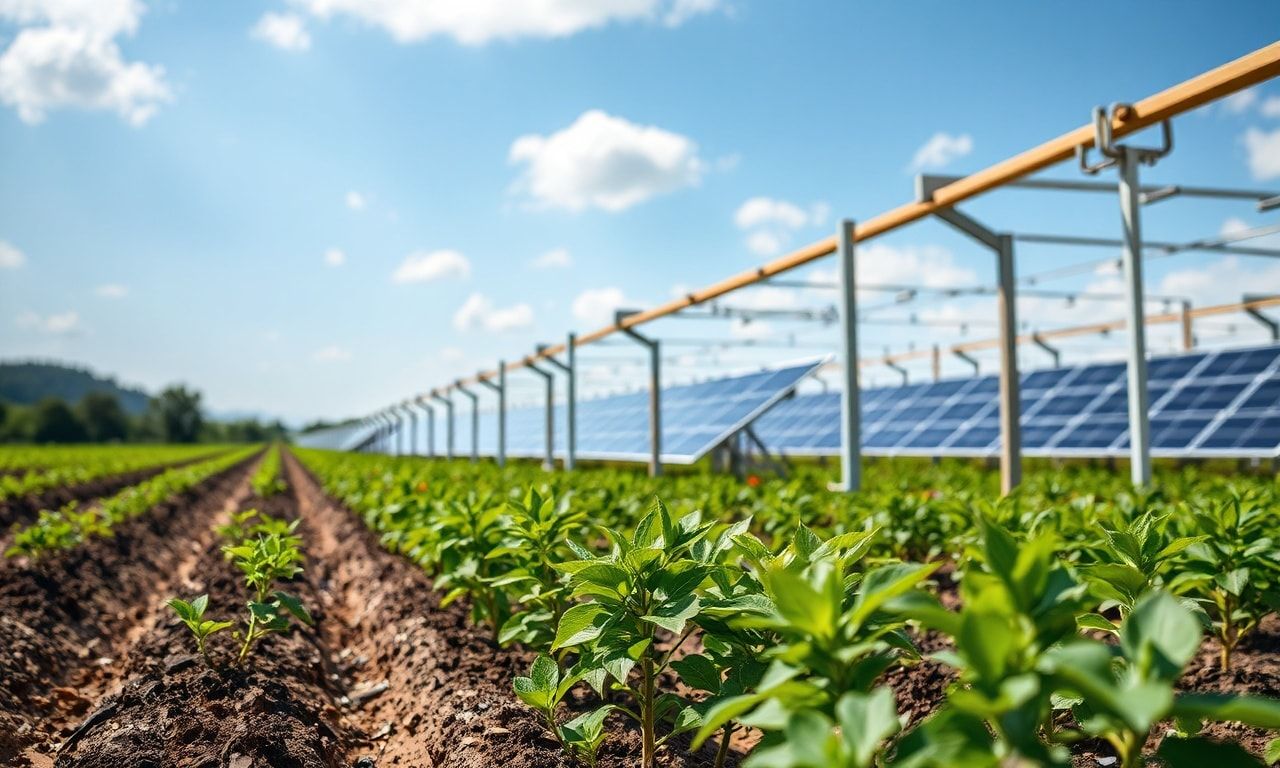
Solar energy offers numerous benefits for the agricultural sector. Firstly, it provides a reliable and cost-effective source of energy. Solar panels can be installed on farmland without compromising the use of the land for cultivation. This dual-use approach maximizes the utility of the land, making it a practical solution for farmers. Additionally, solar energy can power irrigation systems, reduce electricity costs, and provide energy for farm operations, thereby increasing overall productivity.
Moreover, solar energy systems can be tailored to meet the specific needs of a farm. For instance, solar-powered irrigation systems can be particularly beneficial in arid regions where water resources are scarce. By harnessing solar energy, farmers can ensure a consistent water supply for their crops, even during periods of drought. This not only enhances crop yield but also contributes to water conservation efforts.
Economic and Environmental Impact
The economic impact of integrating solar energy into agricultural practices is significant. Farmers can reduce their dependence on grid electricity, which is often expensive and subject to price fluctuations. By generating their own electricity, farmers can achieve energy independence and stabilize their operational costs. Furthermore, the initial investment in solar energy systems can be offset by government incentives and subsidies, making it a financially viable option.
From an environmental perspective, solar energy is a clean and renewable resource. It produces no greenhouse gas emissions, thereby reducing the carbon footprint of agricultural operations. This is particularly important in the context of climate change, as agriculture is both a contributor to and a victim of climate change. By adopting solar energy, farmers can mitigate their environmental impact and contribute to global efforts to combat climate change.
Implementing Solar Energy in Agricultural Practices
Implementing solar energy in agricultural practices involves several steps. The first step is to assess the energy needs of the farm. This includes evaluating the energy consumption of various farm operations, such as irrigation, lighting, and machinery. Once the energy needs are identified, farmers can determine the size and capacity of the solar energy system required to meet these needs.
The next step is to choose the right solar energy system. There are various types of solar energy systems available, including photovoltaic (PV) systems and concentrated solar power (CSP) systems. PV systems are the most common and are suitable for small to medium-sized farms. CSP systems, on the other hand, are more suitable for large-scale agricultural operations. Farmers should consult with solar energy experts to choose the system that best meets their needs.
After selecting the appropriate solar energy system, farmers need to install it. This involves mounting solar panels on the farmland or on the roofs of farm buildings. The installation process should be carried out by professionals to ensure the system is installed correctly and safely. Farmers should also consider the maintenance requirements of the solar energy system. Regular maintenance is essential to ensure the system operates efficiently and has a long lifespan.
Case Studies and Success Stories
There are numerous success stories of farmers who have integrated solar energy into their operations. For example, a farm in California has installed a solar energy system to power its irrigation system. The farm has reported significant savings on electricity costs and has been able to increase its crop yield. Similarly, a farm in India has installed a solar energy system to power its dairy operations. The farm has not only reduced its electricity costs but has also been able to sell excess electricity back to the grid, generating additional revenue.
These success stories highlight the potential of solar energy to transform agricultural practices. By adopting solar energy, farmers can achieve energy independence, reduce their operational costs, and contribute to environmental sustainability. Moreover, the integration of solar energy into agricultural practices can create new economic opportunities for farmers, such as selling excess electricity back to the grid or participating in renewable energy programs.
Challenges and Solutions
Despite the numerous benefits of solar energy, there are also challenges associated with its integration into agricultural practices. One of the main challenges is the initial cost of installing a solar energy system. While the long-term savings can be significant, the upfront cost can be a barrier for some farmers. However, there are various financing options available, such as loans, grants, and leasing programs, that can help farmers overcome this challenge.
Another challenge is the availability of land for solar panel installation. In some cases, farmers may not have sufficient land to install a solar energy system without compromising their cultivation activities. To address this challenge, farmers can consider installing solar panels on the roofs of farm buildings or using tracking systems that allow solar panels to follow the sun, thereby maximizing the use of available land.
Additionally, farmers may face challenges related to the maintenance and repair of solar energy systems. To address this challenge, farmers should choose reputable solar energy providers who offer comprehensive maintenance and repair services. They should also ensure that the solar energy system is installed correctly and is compatible with their existing farm infrastructure.
Future Prospects
The future of solar energy in agriculture looks promising. As technology advances, solar energy systems are becoming more efficient and affordable. This trend is expected to continue, making solar energy an increasingly viable option for farmers. Moreover, governments around the world are implementing policies and incentives to promote the adoption of renewable energy, including solar energy, in the agricultural sector.
In conclusion, the integration of solar energy into agricultural practices offers numerous benefits, including cost savings, energy independence, and environmental sustainability. By adopting solar energy, farmers can enhance their productivity, reduce their operational costs, and contribute to global efforts to combat climate change. As the world shifts towards sustainable practices, solar energy will play an increasingly important role in the future of agriculture.
For more information on how to integrate solar energy into your agricultural practices, you can refer to the solar enerji müşteri rehberi.
To enhance your farming practices with eco-friendly solutions, consider exploring sustainable farming through solar power and how it can boost your crop yields.
As sustainable farming practices gain traction, understanding the role of renewable energy becomes crucial; discover how solar power benefits agriculture in our latest article.
As we strive for sustainability in our fields and farms, it’s intriguing to see how other industries are making strides; discover how fashion and technology are merging for a greener future in innovations in eco-friendly design.