
9 min read · Updated: 2026-10-11
What you eat is framed by where it comes from, and Utrecht’s regional news can shape your cooking choices. This guide explains how staying informed about Utrecht’s food culture helps you pick seasonal produce, discover local suppliers, and understand the flavors around you. You’ll learn practical ways to turn a news item into a dinner idea, a shopping list, or a new recipe.
A reader-focused approach starts with a simple habit: skim the day’s Utrecht regional coverage for details that affect your kitchen. Look for farm updates, market openings, or shifts in transportation that change ingredient availability. Then translate those details into concrete cooking decisions, from what to cook tonight to how to plan future menus.
Finally, the goal is to connect news to nourishment. By treating regional stories as sources of inspiration rather than noise, you’ll cook with more confidence, reduce waste, and support local producers who make Utrecht’s food scene unique.
- Regional Utrecht news can guide what you cook and buy, aligning flavors with place.
- Translate each news item into a practical kitchen action, from a new recipe to a replacement ingredient.
- Build a flexible cooking plan that adapts to seasonality and local producers, not trends.
- Treat regional stories as inspiration that tightens your connection to Utrecht’s food culture.
Basics: Why regional news matters to a cook
Spotting local flavors
Start with what’s rising in the Utrecht region. Seasonal produce, festivals, and farm-to-table events influence what you can buy and how you plan meals. Track simple indicators like harvest windows or market specials to time recipes effectively. A useful resource on this topic: regionaal nieuws uit Utrecht.
- Scan Utrecht regional feeds for seasonal shifts
- Note standout ingredients to feature
- Build a quick menu around what’s abundant
- Reserve a few pantry staples for busy days
Keep an eye on how local policies or weather affect supply chains. A sudden rain can shift greens availability, while a harvest festival can boost interest in root vegetables. These details help you design weeknight dinners that feel timely and regionally connected.
Boxed insight helps you act: plan two extra dishes when a market feature appears, so you’re ready to pivot if stock changes.
- Identify 2-3 local ingredients you’ll integrate this week
- Note a market or festival date to align menus
- Check for alternative sources if primary supply is tight
Ways to translate news into meals
Turn a news item into a shopping list by listing ingredients that appear in multiple sources. This creates a practical, cookable thread rather than a one-off idea. It also helps you stay adaptable when items sell out.
Use a regional article to spark a recipe idea. If a farm reports a bumper cucumber crop, test a simple pickled cucumber salad or a fresh drizzle of vinaigrette on roasted vegetables.
By documenting sources, you can repeat the approach with future updates and keep your cooking aligned with Utrecht’s rhythm.
How to observe: turning news into kitchen practice
Scan for practical cues
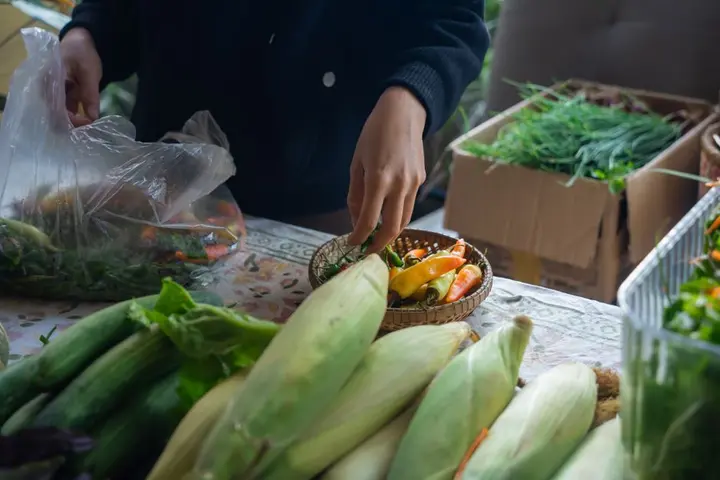
Learn to skim for concrete cues: harvest windows, market days, or new supplier announcements. These clues guide what to buy and how to time meals across the week. A useful resource on this topic: echtscheidingsadvocaat zoeken.
Record a short note after reading: what ingredient is highlighted, where it comes from, and a suggested use. This habit turns news into a ready-to-cabe meal plan.
If you’re cooking for a crowd, plan a dish that can adapt to changing ingredients without losing flavor.
- Note 1 ingredient per item to monitor
- Record origin and suggested use
- Plan adaptable dishes
- Keep a backup ingredient list
From headline to recipe
A headline about a regional producer can spark a dish that highlights their product. For example, a feature on a cheese maker can lead to a baked pasta with a simple cheese sauce.
Write a quick recipe note: main ingredient, technique, and a garnish that nods to Utrecht’s terroir. The goal is a practical dish you can cook with minimal fuss.
Proof your plan by listing required groceries and estimating prep time without overcomplicating the menu.
Options: sourcing and menu ideas from Utrecht news
Sourcing locally
Prioritize ingredients that are tied to Utrecht’s seasons and nearby farms. Local sourcing supports flavor quality and reduces transportation time, which keeps ingredients vibrant.
Ask at your market about which growers are offering direct-to-consumer sales. Building relationships often yields fresher options and occasional discounts for sign-ups or bulk buys.
When a story hints at a producer’s success, consider a simple dish that uses their signature product to highlight the region’s character.
- Choose 1-2 producers to know well
- Attend a market feature or tasting
- Plan a dish around a single producer’s item
- Request seasonal specials from trusted sellers
| Option | Pros | Cons |
|---|---|---|
| Local sourcing | Supports flavor, freshness | Requires planning and relationships |
| Market-driven meals | Fresh, seasonal results | Limited by market days |
| Producer-led menus | Distinct regional identity | Dependency on producer availability |
Menu ideas from regional coverage
Use Utrecht-focused coverage to develop a rotating weekly menu. A feature on a local dairy can lead to a creamy pasta night or a tangy cheese board.
Create a recurring dish that aligns with the season and the article’s theme. This builds your cooking routine around regionally informed flavors.
Document how each dish relates to a news point so you can repeat or adjust as more stories publish.
- Develop 3-4 anchor dishes
- Link each dish to a regional source
- Keep a living menu plan
- Update based on new stories
Avoid buying large quantities of one item just because it’s in a story.
Pitfalls: common missteps when cooking from news
Over-sourcing or overfocusing
Avoid buying large quantities of one item just because it’s in a story. Focus on 1-2 ingredients that fit your weekly plan and kitchen size.
- ☐ Limit new ingredients to 1-2 per week
- ☐ Avoid impulse purchases
- ☐ Keep a short, practical list
- ☐ Use familiar techniques
Overfocusing on trends can waste space in your pantry and money. Prioritize ingredients that pair well with your current staples and that you know you will use.
When in doubt, stick to familiar methods that suit the ingredient and your skill level to keep cooking enjoyable.
Misreading a regional signal
Regional stories can be nuanced; a farm’s production may not match market availability. Verify with a second source or a direct inquiry before building a recipe around it.
Don’t assume every feature means a large harvest. Some reports describe sustainable practices or niche products that require specific handling.
When supply is uncertain, choose versatile ingredients that stretch across multiple meals.
- Cross-check with a second source
- Avoid over-interpretation
- Pick adaptable ingredients
- Prepare fallback recipes
Advanced techniques from local coverage
Extracting flavor from seasonal news
Local coverage can spotlight seasonal ingredients and regional techniques. Start by noting which producers or markets are highlighted, then adapt recipes to reflect what is freshest this week. This creates dishes that feel timely without becoming gimmicky.
- Rushing techniques without testing; slow, deliberate trials yield better flavor
- Ignoring regional varietals; substitute with similar, locally available items
- Overbooking flavors; balance one technique with simple ingredients
Translate a regional trend into a technique you can repeat at home, such as quick-cooking leafy greens or a fruit glaze that mirrors a local harvest. Keep notes on timing, temperature, and sensory cues so you can reproduce the result.
Experiment with one technique per dish to avoid clutter. For example, if a story emphasizes roasting under high heat, test two similar vegetables to see how their textures respond and store the best method for future use.
- Track the source seasonality for each ingredient
- Test once per week with a simple base recipe
- Record adjustments for texture and taste
- Keep a small notebook for quick reference
Seasonal planning with Utrecht in mind

Mapping the calendar to your pantry
Plan menus around Utrecht’s market rhythms and regional fairs to align with what’s available. Build a weekly slate where each meal showcases at least one local ingredient in its peak. This consistency helps you master seasonal profiles rather than chasing trends.
Use a three-week rotation for fresh produce, preserving the best items through gentle methods like pickling or freezing. This keeps your pantry aligned with what the city’s producers offer, reducing waste and expanding your repertoire.
Record which days bring tastier greens or fruit, then design two menu ideas around those peaks. Consistency over time builds confidence and reduces last-minute stress in the kitchen.
- Create a seasonal calendar for the year
- Stock up with simple preservation methods
- Schedule two flexible menus per season
- Note ingredient substitutions with rationale
Pairings: Utrecht flavors with global cuisine
Bringing regional notes to international dishes
Think about core Utrecht flavors—savory dairy, hearty grains, and fresh produce—and map them to global techniques. A Dutch gouda crumble can finish a rustic risotto, while a pea and herb spread mirrors a North African dip with a Utrecht twist. The goal is balance with a clear regional signature.
When extending a plate, choose a familiar technique from another cuisine and adapt it with Utrecht ingredients. A lemony caper starter could transition into a mains course using currants from nearby farms for a subtle sweetness.
Keep the focus on conversation between flavors, not a collage of influences. Each plate should tell a story of place through a few well-chosen components.
- Match texture and acidity to local staples
- Use a single foreign technique per dish
- Highlight a regional hero ingredient
- Keep the plate legible and not overworked
Ethics and sustainability in regional sourcing

Choosing ingredients responsibly
Ethical sourcing starts with knowing where your ingredients come from. Favor producers who practice transparent farming and humane animal treatment, and ask questions when sourcing meat, dairy, or produce. This awareness translates into more thoughtful recipes and clearer storytelling on your plate.
Sustainability also means reducing waste—plan meals around what’s on hand and use parts that are often discarded, like stalks or bones for stocks. Compost or save scraps for flavor boosters, which strengthens the connection between sourcing and cooking.
Document your choices in a simple note for readers, including why you selected certain items. This transparency helps readers trust the dish and the magazine.
- Ask about provenance when shopping
- Favor producers with clear practices
- Repurpose scraps to minimize waste
- Share a brief rationale with readers
Frequently asked questions
What makes regional Utrecht news valuable for cooks?
It highlights seasonal ingredients, regional producers, and local techniques that enlarge your cooking vocabulary. By tracking what’s emphasized, you can plan menus that feel timely and rooted in place, rather than chasing trends.
How should I translate news into recipes without duplicating coverage?
Focus on one change at a time—ingredient, technique, or presentation. Test and document how that element changes flavor and texture, then apply the learning to future dishes for consistency and clarity.
What about waste when cooking from news?
Plan around what’s fresh and in-season, use parts that are often discarded (stems, skins) for stocks or purees, and keep scraps for flavor boosters. This reduces waste and improves overall flavor.
How can I explain local sourcing to readers simply?
Share a brief provenance note for key ingredients and mention one sustainable practice you rely on. A clear, concise rationale helps readers understand the connection between sourcing and taste.
Conclusion
Regional insight can sharpen your weekly menus and deepen your cooking narrative without complicating the kitchen routine. Use Utrecht-focused coverage to guide ingredients, timing, and techniques that feel True to place. The payoff is meals with character and confidence.
Turn a small, repeatable system into your standard: one Utrecht-inspired dish each week, a short seasonal plan, and a simple notes file. This creates predictability, reduces waste, and builds reader trust over time.


