
16 min read · Updated: 2026-11-29
Chia pudding can provide fiber, some protein and unsaturated fat in a convenient, make-ahead meal. Its benefits depend on the full recipe: chia seeds alone do not make a serving balanced, and toppings can change its sweetness and staying power. Pair the seeds with a nourishing liquid and purposeful additions to make a satisfying breakfast or snack.
The basic method is simple: stir chia seeds into milk or another liquid, let them absorb it, then mix again to break up clumps. Adjust the texture with more liquid or seeds, and refrigerate the pudding until the seeds have softened.
Below, you’ll find a practical ratio approach, ways to tailor the base and toppings, and a clear look at what chia pudding can—and cannot—do nutritionally. Use these ideas to fit it to your appetite, preferences and daily routine.
- Chia pudding is made by soaking chia seeds in liquid until the mixture thickens.
- Stir twice, chill it covered and adjust the texture with small additions of seeds or liquid.
- Choose a base and toppings for the protein, sweetness and texture you want.
- Chia adds fiber and other nutrients, but the full recipe determines how satisfying and balanced a serving is.
What Chia Pudding Is and Why People Eat It
How Seeds Form Pudding
Chia pudding forms when chia seeds absorb liquid and develop a soft, gel-like coating. Stir the seeds into milk, a plant-based drink or another suitable liquid, then give them time to swell; the mixture thickens without cooking. The result is spoonable, though the exact texture depends on the seed-to-liquid balance and resting time.
People often choose chia pudding because most of the work happens ahead of serving. Mix a portion in a lidded jar, refrigerate it, and add fresh fruit or crunchy toppings when you are ready to eat. This makes it useful for a quick breakfast, a planned snack or a portable meal.
The seeds settle as they hydrate, so an early second stir helps distribute them evenly. Without that step, a dense layer can collect at the bottom while liquid remains above. When comparing imported milk alternatives or toppings, shoppers can check bugünkü döviz kurları to put prices across markets in context.
A Convenient Everyday Meal
Chia pudding suits routines that benefit from a prepared meal waiting in the refrigerator. Make it the night before, then take the jar with you or serve it at home with fruit, nuts or another topping. Its mild flavor also makes it easy to vary without changing the basic method.
The format is flexible, but convenience does not automatically mean the pudding will keep you full. A small portion made mostly from liquid and seeds may not meet your appetite, while a balanced serving can include a source of protein and additional whole foods. Think of it as a meal component, not a complete plan.
Texture is another reason people enjoy it: hydrated seeds produce a thick, slightly distinctive bite. If you prefer a smoother result, blend the finished mixture or briefly blend the liquid and seeds before chilling. For a more textured spoonful, leave the seeds whole and finish with crisp fruit or chopped nuts.
How to Make a Balanced Chia Pudding
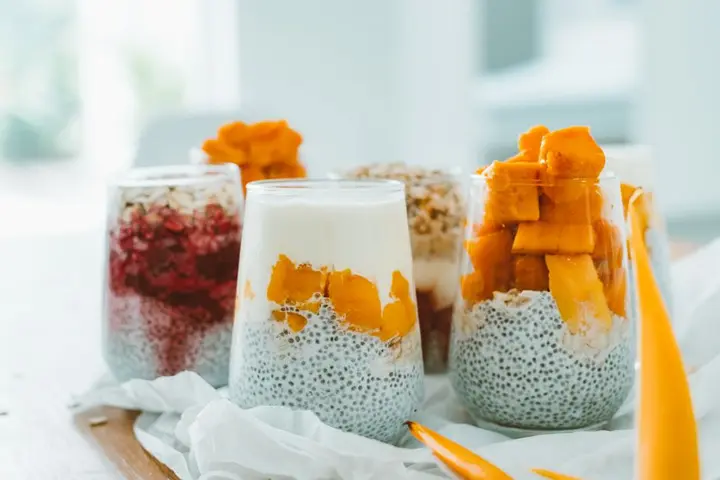
Build a Reliable Base
Start with a measured amount of chia seeds and enough liquid to let them expand, then adjust after the first stir. A common starting point is about three tablespoons of seeds to one cup of liquid, but different brands and preferences can call for small changes. Add liquid gradually if the mixture becomes too thick.
Stir thoroughly, wait several minutes, then stir again to break up clumps before chilling. Cover the container and refrigerate until the seeds have softened and the mixture holds a spoonable shape. If you are budgeting for ingredients priced in another currency, use döviz kurları çevir to estimate their cost in your own currency.
For a more sustaining serving, choose a liquid with protein or add a protein-rich food alongside the pudding. Plain dairy milk and some fortified soy drinks provide more protein than many other plant-based drinks, though products vary. Check the label rather than assuming every carton offers the same nutrition.
- Measure seeds and liquid before mixing.
- Stir again after the seeds begin to swell.
- Chill in a covered container.
- Adjust thickness with small additions of liquid.
Set Texture and Portion
Treat the first batch as a texture test rather than a fixed recipe you must follow. If the pudding is too firm, loosen it with a splash of liquid and stir; if it is thin, add a little more chia and allow it to hydrate. Make small adjustments so the final texture stays pleasant rather than gummy.
Choose a serving size that matches whether you want breakfast, a snack or a topping for another meal. A larger bowl may need fruit and a protein-rich addition to feel complete, while a smaller portion can work between meals. Use a jar or bowl that leaves room to stir and add toppings.
Chilling gives the seeds time to absorb liquid, but the final consistency can continue to change as the pudding stands. Stir before serving and assess it then, rather than judging it only when freshly mixed. Store leftovers covered in the refrigerator and use clean utensils when taking a portion.
Choose a Base, Sweetener and Toppings
Match the Liquid Base
Choose a base according to the flavor and nutrition you want, since the liquid contributes more than moisture. Dairy milk and soy drinks can add protein, while almond, oat and coconut drinks often have different amounts depending on the product. Compare labels for protein, added sugar and fortification when those details matter to you.
Unsweetened liquid gives you more control over the final taste, especially if fruit or flavored toppings will add sweetness. Coconut drinks can bring a richer taste, while neutral options let spices, fruit or cocoa stand out. If a base tastes thin on its own, combine it with yogurt or serve it beside a protein-rich food.
Use the table as a starting point, not a ranking: products within each type can differ substantially. Check the carton for ingredients and nutrition information, then pick the option that suits your preferences and routine. A familiar base you enjoy is more useful than one chosen for a benefit it may not provide.
| Base | What it brings | Check before choosing |
|---|---|---|
| Dairy milk | Protein and creamy texture | Added sugar and fat |
| Soy drink | Plant protein | Protein and fortification |
| Almond drink | Mild flavor | Protein and sweeteners |
| Oat drink | Soft, cereal-like flavor | Added sugar and ingredients |
Add Sweetness and Contrast
Build flavor with toppings that bring contrast as well as sweetness. Fresh or frozen berries add fruit flavor, while chopped apple, banana or pear can make a bowl feel more substantial. Nuts and seeds contribute crunch, and cinnamon, vanilla or unsweetened cocoa can deepen the taste without relying only on sweeteners.
If you sweeten the pudding, begin with a small amount and taste it after chilling. The cold temperature can make flavors seem less pronounced, while ripe fruit may provide enough sweetness on its own. For a more balanced bowl, combine fruit with a protein-rich topping such as plain yogurt, rather than piling on several sweet additions.
Keep crunchy toppings separate until serving if you want them to retain their texture. Add granola, nuts or toasted seeds at the last moment, and use fresh fruit that suits the storage time. These small choices let one basic pudding work as a quick breakfast, a portable snack or a simple dessert.
- Fruit: berries, banana, apple or pear.
- Crunch: nuts, seeds or granola.
- Flavor: cinnamon, vanilla or cocoa.
- Creaminess: plain yogurt or nut butter.
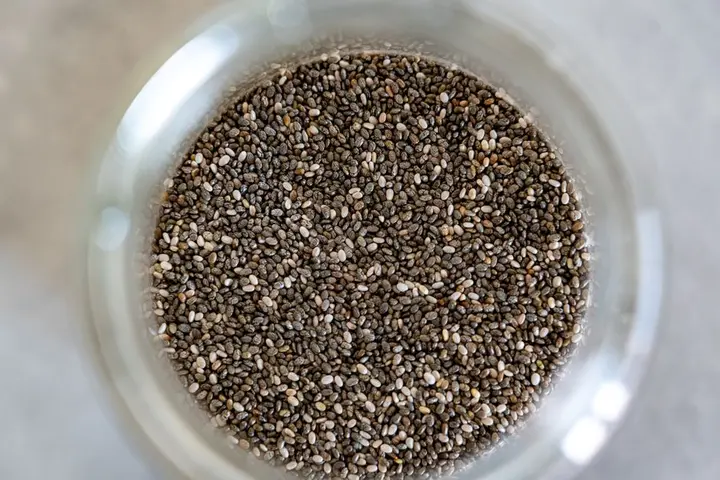
Chia seeds contribute fiber, plant-based protein and unsaturated fat, along with minerals such as calcium and magnesium.
What Nutrition Chia Pudding Can—and Cannot—Offer
Fiber and Other Nutrients
Chia seeds contribute fiber, plant-based protein and unsaturated fat, along with minerals such as calcium and magnesium. The amount in a serving depends on how many seeds you use, while the rest of the pudding reflects its liquid and toppings. That makes the whole recipe, not the seeds alone, the useful unit to consider.
- ☐ Choose a base that suits your protein needs.
- ☐ Add fruit for flavor and variety.
- ☐ Include a filling topping if it is a meal.
- ☐ Check labels for added sugar.
Fiber absorbs liquid and helps give chia pudding its characteristic thick texture. A fiber-rich meal can support normal digestion, but increasing fiber suddenly may cause discomfort for some people. If chia is new to your diet, start with a modest serving, drink fluids as usual and see how your body responds.
The pudding’s protein content can vary widely with its base and additions. Seeds contribute some, but a serving made with a low-protein drink may still be modest overall. Add milk, soy drink, yogurt or another suitable protein source if you want the meal to offer more than the seeds provide.
Set Realistic Expectations
Chia pudding can be filling, but it is not a guaranteed fix for hunger or a substitute for a varied diet. Satiety depends on portion size, ingredients, appetite and what else you eat that day. If a serving leaves you hungry, add a substantial side or build more protein and fruit into the bowl.
Chia seeds do not make a pudding low in sugar when you add sweetened drinks, syrup, sweetened yogurt or generous amounts of sugary toppings. Read ingredient lists and nutrition panels if you are monitoring added sugar, and use unsweetened components when you want greater control. Fruit adds sweetness too, but also brings its own texture and nutrients.
Nor does chia pudding deliver every nutrient a meal may need simply because it contains seeds. Use it as one convenient option among meals built from varied foods, and tailor the ingredients to your needs. Anyone managing a health condition or a specific diet can check whether the ingredients and portion fit their personal guidance.
Plan Portions and Grocery Spending
Set a Serving Before Shopping
Decide how many servings you will prepare before buying chia, so an opened bag does not sit unused. For one serving, measure the amount of seeds in your usual recipe, then scale the ingredient list to match your week. This makes it easier to estimate how quickly you will use the bag and choose a sensible size.
Compare the cost of the chia itself with the cost of the full bowl. Milk, yogurt, fruit and extras can make a simple pudding more expensive than expected, especially when several toppings are bought just for one recipe. Choose ingredients you already use elsewhere, such as frozen berries or plain yogurt, to keep the shopping list practical.
A larger bag may offer better value only if you can store it well and use it while fresh. Check the package size against your planned servings rather than relying on a low unit price alone. If you are trying chia pudding for the first time, a smaller pack can reduce waste while you settle on a recipe.
Use Ingredients Across Meals
Build a short grocery list around ingredients that can serve more than one meal. Plain yogurt can enrich pudding and accompany fruit, while oats can be used for breakfast bowls as well as overnight mixtures. This approach makes the cost of a topping or base easier to justify than buying a specialty item for a single use.
Frozen fruit is often a convenient choice because it can be portioned as needed and does not require using the whole pack at once. Thaw a small amount overnight in the refrigerator, or stir it into the pudding before chilling. Fresh fruit works too, but buy quantities that fit your planned servings and usual eating pace.
Keep optional toppings separate from the basic recipe when comparing costs. Nuts, seeds and nut butters can add flavor and richness, but several together may make each serving costly and heavy. Start with one topping you genuinely enjoy, then rotate another when you want variety rather than stocking many extras.
Read Labels When Buying Chia and Add-Ins
Check the Ingredient List
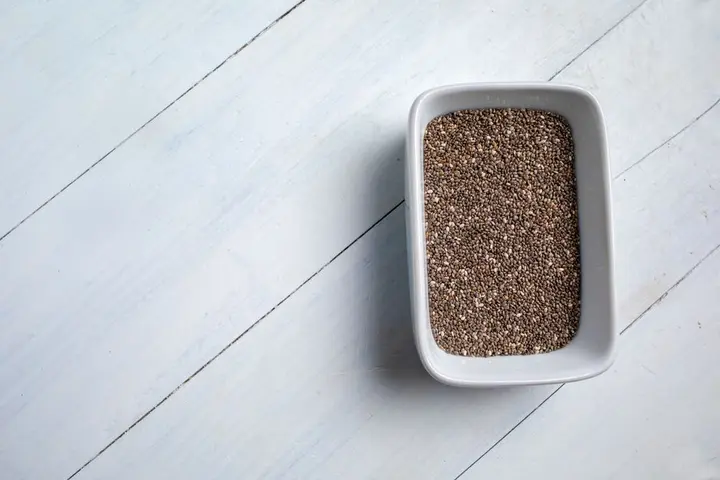
Choose chia seeds with a clear ingredient list that names chia as the sole ingredient if that is what you want to buy. Check the package for a best-before date and instructions for storage, then look over the seal and packaging before bringing it home. If an online listing quotes a US-dollar price, compare it with local options after checking bugün dolar kaç TL.
Look at the ingredient list on flavored milks, yogurts and ready-made toppings, since sweeteners or flavorings may be included even when the front label emphasizes fruit or grains. Compare similar products rather than treating every claim as equivalent. A plain base gives you more control over sweetness and lets the fruit or other additions provide flavor.
Use the nutrition panel to compare serving sizes as well as values. One product may list a smaller portion than another, making the figures look different even when the foods are similar. When choosing a topping, check whether it is sweetened or salted if you are trying to manage those ingredients in the finished bowl.
Choose Add-Ins with Purpose
Pick add-ins for a specific reason, such as flavor, texture or extra protein, instead of buying products because of a broad health claim. Plain yogurt can make a serving creamier, while fruit adds sweetness and a different texture. If you use a packaged topping, check its ingredients and portion guidance before mixing it into the bowl.
Claims on the front of a package do not tell the whole story, so use the ingredient list and nutrition information to judge what is inside. A product labeled as a source of protein may also contain sweeteners or other ingredients you do not want. Compare it with a simpler option and decide which features matter for your recipe.
If you have a food allergy or follow a restricted diet, read the full label each time you buy a packaged ingredient. Recipes and manufacturing details can vary, and an older package is not a substitute for checking the one in your hand. Keep the original packaging if you transfer ingredients to a container, so key information remains available.
Avoid Common Texture and Nutrition Pitfalls
Prevent Clumps and Thin Texture
Stir chia seeds thoroughly into the liquid at the start, then stir again after a short pause to break up clumps. Seeds that settle together can form a dense layer instead of an even pudding. Use a spoon to scrape the sides and bottom of the jar, where dry seeds often gather before the mixture thickens.
- Stir seeds into liquid thoroughly.
- Pause briefly, then stir again.
- Chill until the seeds absorb liquid.
- Adjust thickness with small additions.
If the pudding seems too thin after chilling, add a small amount of chia and mix it in well, then allow more time for it to absorb liquid. If it is too thick, loosen it with a splash of milk or another suitable liquid. Make adjustments gradually, because adding too much at once can swing the texture in the opposite direction.
Give the mixture enough time to hydrate before deciding that the recipe has failed. Chia pudding generally needs several hours in the refrigerator, and a longer rest can help the seeds soften throughout. Cover the container while it chills, and stir once more before serving if liquid has separated or the top feels firmer than the center.
Keep the Bowl Balanced
Treat toppings as part of the serving rather than as decoration without consequence. A generous pour of syrup, sweetened yogurt and several sweet toppings can make the bowl much sweeter than intended. Taste the pudding before adding more, then choose one or two extras that complement its flavor instead of piling on everything available.
Chia provides fiber and fat, but a pudding made with seeds and liquid alone may not suit every person as a complete meal. Add a source of protein, such as plain yogurt or an appropriate protein-rich base, if that better fits your needs. The right balance depends on the rest of your meals and your appetite.
Increase chia gradually if your usual diet contains little fiber, and drink fluids as you normally would with meals. A sudden change in fiber intake may cause digestive discomfort for some people. Anyone managing a medical condition or specific diet should follow advice from their healthcare professional rather than assuming a chia-based recipe is suitable.
Simple Ways to Fit Chia Pudding into Your Routine
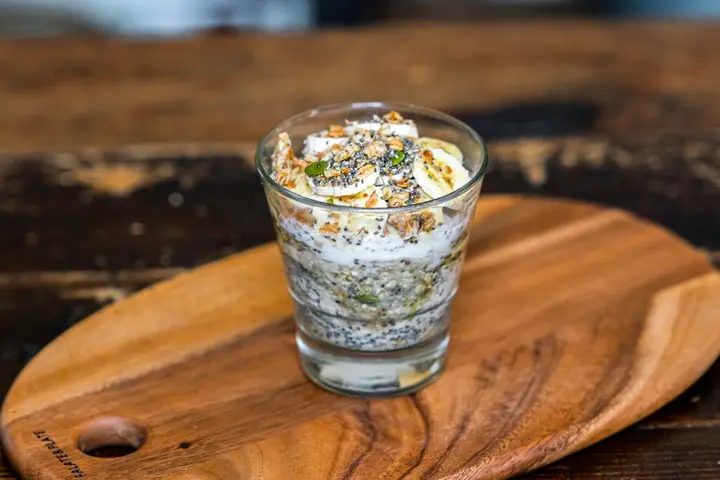
Prepare Ahead Safely
Make a serving the night before when mornings are busy, and keep it covered in the refrigerator until you are ready to eat. A small jar or lidded container makes it easy to portion and carry, while leaving room to stir in fruit or yogurt before serving. Use a clean spoon each time you handle a shared batch.
For several servings, mix the chia and liquid in a larger container, stir well, and divide it after the seeds begin to hydrate. This can make portioning easier and helps you check that the mixture is evenly thick. Add delicate fruit close to serving time if you prefer it fresh rather than softened during storage.
Follow the storage guidance for the ingredients you use, especially when the recipe contains milk or yogurt. Keep prepared pudding chilled and avoid leaving it at room temperature for extended periods. If the smell, appearance or texture seems unusual, do not taste it to decide whether it is safe; discard it.
Adapt the Serving Moment
Serve chia pudding as breakfast, a snack or part of a larger meal, depending on the portion and the rest of your day. A small jar can work between meals, while a more substantial bowl may need yogurt, fruit or another satisfying ingredient. Let your hunger and routine guide the serving rather than assuming one size suits everyone.
Change the flavor without rebuilding the recipe each time. Cinnamon and apple create a familiar combination, while cocoa and banana offer a richer taste; citrus zest or berries can make a plain base brighter. Add flavors in small amounts, then taste before adding sweetener so the ingredients do not compete.
If you prefer a warm breakfast, warm the prepared pudding gently and stir it often, or serve it alongside a warm component rather than heating it for a long time. The texture may change with heat, so add liquid if it becomes too dense. Try a small portion first to find the temperature and consistency you enjoy.
Frequently asked questions
Can chia pudding be made without dairy milk?
Yes. Use a suitable plant-based drink or another liquid that fits your diet, and stir it thoroughly with the seeds. Different products can vary in thickness and sweetness, so check the label and adjust the recipe after chilling. Unsweetened options give you more control over the finished flavor; add fruit or a little sweetener only if you want it.
Why does my chia pudding have a crunchy texture?
The seeds may not have had enough time to absorb liquid, or the mixture may not have been stirred evenly. Stir again, scraping the sides and bottom, then let it chill longer. If the seeds are hydrated but you still dislike their texture, blend the mixture before chilling or choose a recipe with a smoother base, such as yogurt.
Can I blend chia pudding until smooth?
Yes. Blend the hydrated mixture until it reaches the consistency you prefer, then return it to the refrigerator if it needs more time to thicken. Blending distributes the seeds through the liquid and removes their distinct gel-like texture, but it will not change the ingredients' overall nutritional qualities. Add liquid gradually if the blended pudding becomes too thick.
Should I rinse chia seeds before using them?
Rinsing is not usually needed for packaged chia seeds unless the package specifically directs you to do so. Because they absorb liquid quickly, soaking or rinsing them in a sieve can make them difficult to handle. Check the product instructions, use clean utensils, and mix the seeds directly into your chosen liquid for a straightforward pudding.
Make Chia Pudding Work for You
Chia pudding can be a convenient way to include seeds, fiber and a make-ahead option in everyday meals, but its value depends on the whole serving. A sensible base, measured portion and toppings chosen for taste or nutrition make it easier to balance. Careful label reading, thorough stirring and proper refrigeration also help deliver a reliable texture and useful routine.
Start with one serving using a liquid and fruit you already enjoy, then chill it overnight and check the texture before adding extras. If it is too thick, loosen it; if it is thin, give it more time or adjust the next batch. Once you know what works, note the proportions and repeat the recipe with a different topping when you want variety.


