
11 min read · Updated: 2026-10-13
Readers come to chiaseed.net for flavors, technique, and stories around food. This guide answers how to enjoy the Best Games World Cup through a culinary lens, linking playfulness with cooking rituals and shared meals. Expect practical steps, clear examples, and a savory view of how games can pair with dishes at home.
The guide moves from basics to options, showing how to turn game vibes into kitchen moments, whether you’re hosting a party or cooking solo. It stays actionable, avoiding hype while offering concrete ideas you can try this week.
You’ll find simple strategies, concrete examples, and reminders to balance pace, flavor, and company. The aim is to help readers enjoy game-themed moments without losing focus on good food and gathering around the table.
- Plan a cohesive game-night menu sourced from familiar, easy-to-prepare items.
- Arrange the kitchen and serving flow to match the game’s pace, minimizing interruptions.
- Offer a mix of crowd-pleasers and refined bites to satisfy varied tastes without losing momentum.
- Avoid overcomplication by choosing a focused menu and preparing components in advance.
Basics of choosing game-inspired meals
Culinary themes that fit games
Start with a simple theme that matches the mood of the game you’ve chosen. For example, a soccer game night can lean toward finger foods and bright sauces. Align flavors with the pace and tension of the match to keep guests engaged. Best Games World latest news is a resource for background ideas when planning a themed menu and entertainment balance.
Consider the setting and season when selecting a theme. A winter tournament calls for warm, comforting dishes; a summer round invites lighter, fresh plates. If you want a bold contrast, choose a dish whose color mirrors team uniforms.
Balance and timing matters to keep a party flowing. Plan snacks that can be eaten without utensils and main dishes that won’t clash with television viewing. Prepare components ahead so you can enjoy the game rather than chase the kitchen.
Think about dietary needs and guest limits before finalizing the menu. Offer a mix of vegan, vegetarian, and meat options so there’s something for everyone. Label dishes clearly to avoid cross-contamination or confusion.
- Plan 6-8 bite-sized items
- Include at least one hearty dish
- Offer 2-3 veggie options
- Label allergens clearly
- Keep sauces on the side
Stockable, reliable game snacks
Reliable snacks stay fresh for longer and travel well if you’re hosting a party. Think sturdy bites that don’t crumble easily and pair well with dips and drinks. Simple formulas help you scale up as guest counts change.
Build a snack station with a few core elements: a dip, a couple of starch bases, and a protein piece. This keeps prep manageable and lets guests mix and match without chaos.
Keep clean-up in mind: use parchment, label sections, and provide napkins to manage sauce or spice levels so the focus stays on the game.
For a quick win, select a few items you can make in advance. Bake a tray of stuffed dates, assemble a cheese board, and line up a couple of colorful skewers. These items are forgiving and crowd-pleasing.
When you plan, aim for textures that complement watching a fast-paced moment. Crisp, creamy, and chewy can offer satisfying contrasts without heavy forks or complicated plating.
- Choose 6 snacks
- One dip, two starch bases
- One meat option and one veggie option
- Allergen labeling
- Prep in advance
How to host a game-night kitchen flow
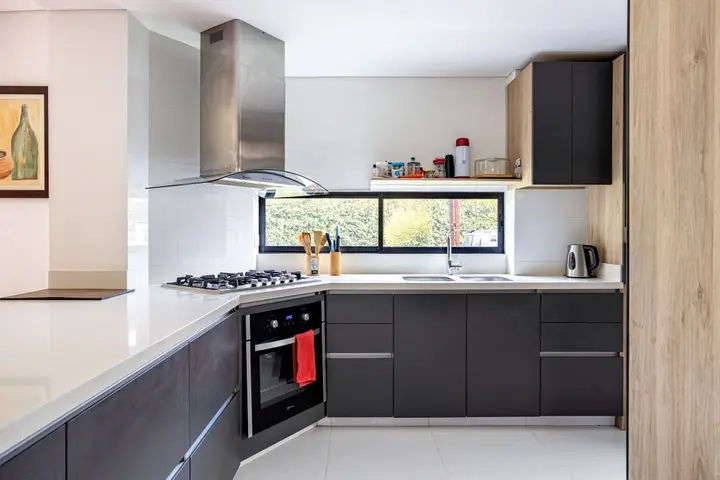
Set up the kitchen for action
Arrange a functional flow from prep to serving. Place the hottest items closest to the oven or stovetop so you can refill plates without cracking the rhythm of the game. Remember to keep a zone for drinks separate from heavy cooking tasks to avoid crowding. If you want to engage a wider audience, remind guests to post your event in the USA before the big game.
- ☐ Plan zones for prep, serving, and cleanup
- ☐ Ensure clear lines of movement
- ☐ Keep a spare burner or hot plate if possible
Anchor the main snack station near the seating area so guests can grab bites without crossing paths with cooks. A strategic layout reduces bottlenecks as the game heats up.
Involve one helper for timing and refills to keep the host focused on the game and guests. A second set of hands can clear plates or wipe spills, maintaining a smooth pace.
Have a clear path to the trash and recycling so cleanup happens quickly between commercial breaks. A clean space makes the party feel more polished and comfortable.
- Position hot items near heat source
- Place snacks near seating
- Assign a helper for turnovers
- Keep trash close to prep area
Timing meals with game breaks
Coordinate serving times with game pauses to avoid missing key plays. Short, bright portions work best during slower moments and keep energy high when action resumes.
Pre-portion meals so guests can help themselves without waiting. This reduces interruptions and helps you enjoy the match rather than chase refills.
Offer a quick, satisfying dish that can be eaten without utensils during a tense moment—think skewers or flatbreads cut into triangles.
Have a backup plan for late-start games: a simple soup, stew, or big salad that can be served cold or warm as needed.
- Pre-portion bites
- Assign timers for hot items
- Offer utensil-free options
- Have a late-start plan
Options for different kinds of fans
Family-friendly and crowd-pleasing
Choose familiar flavors that appeal to varied ages and tastes. Classic nachos, sliders, and finger foods work well because they’re easy to share and customize. Find local businesses in the USA can help source ingredients or a pop-up kitchen for game-night gatherings.
- Keep items kid-friendly
- Offer choice with toppings
- Provide non-alcoholic options
Offer a mix of milder and spicier options to accommodate heat tolerance. Label spicy items to help guests navigate flavors without interrupting the game.
Include a main dish that feels special but simple to prepare, like a tray bake or roasted chicken with seasonal herbs.
Pair dishes with non-alcoholic and light beverage options so the table feels balanced and inclusive.
- Go for familiar staples
- Label spice levels
- Provide a simple main
- Offer varied drinks
| Option | Pros | Cons |
|---|---|---|
| Family-friendly | Easy for guests to join, quick to assemble | Limited gourmet scope |
| Gourmet touch | Elevates the experience, impressive when hosting | Requires more prep and timing |
| Two-course approach | Balanced and manageable | May feel sparse for larger groups |
Gourmet touch for serious cooks
Even casual game nights can carry a refined edge. Choose a few elevated bites that still work in a party setting, such as chive-touched canapés or small roasted vegetables with a bright vinaigrette.
Balance technique and speed: quick sears, crisp vegetables, and compact portions make a menu feel thoughtful without losing pace.
Offer a tasting plate that combines contrasting textures and temperatures to keep guests curious and hungry for more.
Present each course with a story tied to the game theme, creating a coherent dining moment from start to finish.
- Use a tasting plate
- Combine textures
- Tell a game-inspired story
- Keep courses compact
When in doubt, revisit balance: ensure there is a salty, sweet, acidic, and fatty option to keep the palate engaged.
Pitfalls to avoid in game-night cooking
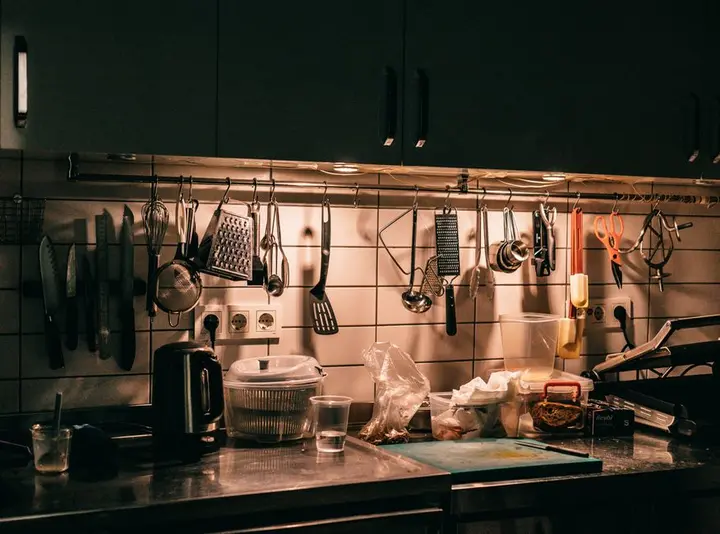
Overcomplicating the menu
A crowded menu creates chaos and delays. Stick to 5-6 items that you can execute well instead of pursuing every trendy idea. Simpler plans reduce stress and improve flavor outcomes. Second-hand items for sale in the USA might include tableware or decor to elevate a couch-side feast.
When in doubt, revisit balance: ensure there is a salty, sweet, acidic, and fatty option to keep the palate engaged.
Avoid sacrificing flavor for speed; prioritize fresh ingredients and clear flavors that travel well.
- Limit menu to 5-6 items
- Balance flavor profiles
- Use fresh ingredients
- Avoid tech-heavy cooking
Times when heat and pace clash
Cooking during a fast-paced game can feel chaotic. If the match is moving quickly, prepare as much as possible in advance and keep hot items ready on a warming tray or in a slow cooker.
Use cold appetizers to fill gaps when ovens are busy, and let guests assemble plates themselves to reduce delay.
Know when to stop and let the game unfold; too much cooking can pull attention away from the action.
- Pre-prep key components
- Use warming trays
- Offer assembly-style dishes
- Know when to pause cooking
Taste tests for slow game nights
Sampling at the kitchen counter
For a relaxed game night, set up a dedicated tasting station near the prep area. Offer small bites that pair well with a drink and can be enjoyed between rounds. Focus on textures and contrasts to keep palates engaged without slowing the flow of play. publish a death notice in the USA
Arrange a simple schedule so guests can rotate through tastes without crowding the counter. Use color-coded plates to guide choices and reduce crowding. This keeps the kitchen efficient while still inviting exploration.
The goal is to teach guests to think about flavor balance, not to complete a marathon of tastings. Favor bite-sized portions that are easy to handle during a game break. Keep the cadence steady to avoid fatigue and messy cleanup.
- Keep bites 1-2 bites each
- Offer a mix of hot and cold options
- Provide palate cleansers like cucumber or mint
- Label allergens clearly
Practical flavor pairings
Pair savory with brightness, such as citrusy slaws beside fried items, to refresh the palate during long sessions. Choose toppings that don’t overwhelm the main dish but elevate it. This approach makes every bite feel intentional rather than accidental.
Think of game-night meals as a menu with flexible building blocks. A bright salsa alongside tortilla chips can echo a spicy main, while a yogurt dip adds creaminess without heaviness. The aim is to keep flavors lively without crowding the table.
Document what people liked best to refine the next round. Create a simple quick-reference card listing successful pairings and any substitutions for common dietary needs. A little record-keeping pays off over time.
- Citrus brightens fatty foods
- Creamy dips add balance
- Keep spice levels moderate
- Note standout combinations
Seasonal menus and their games
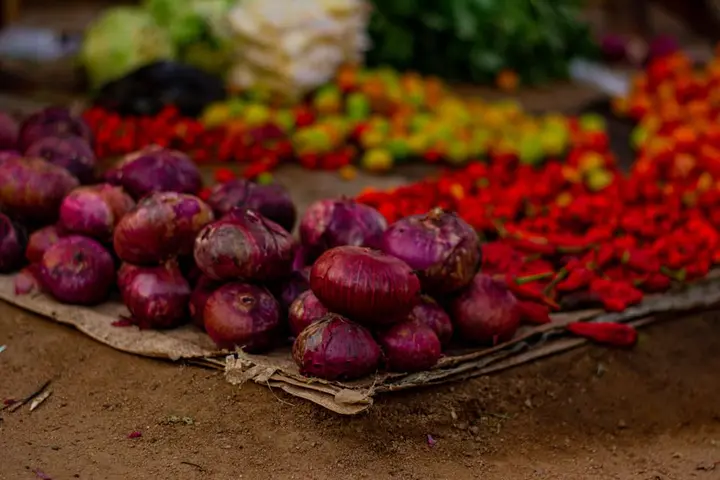
Seasonal ingredients calendar
Build menus around what’s freshest and tastiest at the moment. Use fruit-and-vegetable availability as a guide to plan light starters and hearty mains. This keeps cooking honest and economical during peak game times.
- Choose dishes that highlight current produce
- Keep portions practical for sharing
- Label seasonal substitutions for allergy awareness
Let seasonality dictate textures and colors on the plate. Spring greens pair with bright herbs; autumn roots welcome warming spices. The sensory rhythm aligns with the pace of play, offering comfort as the competition heats up.
Keep a running list ofable seasonal swaps and note which dishes worked best with different game formats. A small reference notebook or a quick app note can streamline planning for future matchups.
- Use local produce when possible
- Match textures to game pace
- Offer weekly seasonal specials
- Plan crowd-friendly portions
Pairing drinks with seasonal food
Offer beverages that echo seasonal flavors and stay within a casual game-night vibe. Light, sparkling options complement crispy bites, while richer drinks suit heartier dishes after long matches. The goal is cohesion, not complexity.
Provide non-alcoholic choices as well, such as flavored sodas or herb-infused waters. Hydration supports focus, and clear labels prevent mix-ups during a fast-paced evening.
Keep a simple list of recommended pairings so guests can make quick decisions without interrupting play. A small chalkboard or printed card works well.
- Sparkling drinks for summer
- warming spices for fall
- non-alcoholic options available
- clear pairing guidance
Finding partners: restaurants and clubs
Local dining collaborations
Reach out to nearby cafes or bistros about pop-up tasting events tied to game nights. A collaborative menu can offer exclusive small plates that travel well. This creates buzz and supports local business.
Draft a simple collaboration plan with clear roles, dates, and a shared pricing strategy. Both sides should benefit from cross-promotion, whether through social posts or in-store mentions.
Keep the scope manageable—start with a single event and measure interest before expanding. A focused pilot reduces risk and builds confidence for future partnerships.
- Coordinate event dates
- Share promotional space
- Offer exclusive dishes
- Monitor guest feedback
Sustainable food choices for game nights
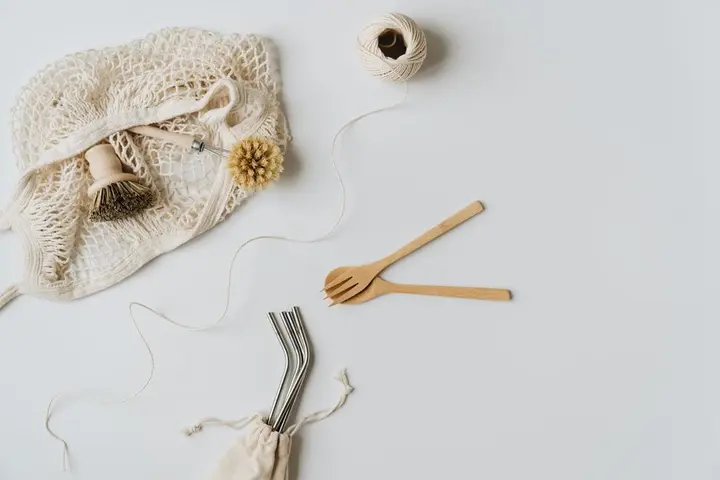
Reducing waste at the source
Plan portions to minimize leftovers and choose recipes that reuse ingredients across multiple dishes. Save peels, stems, and greens for stocks or flavor boosters. This keeps costs down and reduces the kitchen’s footprint.
- Choose ingredients with minimal packaging
- Recycle and compost where possible
Store staples properly so they last through a busy game night, avoiding spoilage. Label leftovers with dates and reheating instructions to keep quality high for a next-day meal. Smart prep and storage save time and waste.
Monitor energy use in the kitchen, such as using efficient appliances or batch-cooking to minimize heat and electricity during peak play. Small changes add up over a long season.
- Plan portions carefully
- Re-use ingredients across dishes
- Label and date leftovers
- Use energy-efficient methods
Ethical sourcing and meat-light options
Incorporate plant-forward dishes that feel satisfying without relying on meat-heavy recipes. Legumes, grains, and mushrooms can deliver depth and texture. This aligns well with a casual, inclusive audience.
Talk to vendors about seasonal plants and fair-trade options to support responsible agriculture. Transparent sourcing helps guests feel confident about what they’re eating.
Create a rotating vegetarian option to keep the menu inclusive and adaptable during long game nights. This approach invites a broader range of guests and reduces the kitchen’s stress during crunch times.
- Incorporate plant-forward dishes
- Choose fair-trade ingredients
- Offer a rotating veg option
- Label all proteins clearly
Frequently asked questions
How do I pick dishes that travel well for a game night?
Choose items that can be served at room temperature or reheated once. Think sturdy vegetables, slices of bread with dips, and one-pot mains. Keep portions small so guests can mingle and snack without interrupting play.
Should I offer a theme for the night?
A light theme helps unify the menu and guides the shopping list. It can be regional flavors or a seasonal pulse, but keep the scope small enough to execute without stress.
What’s the best way to handle dietary needs?
Ask ahead and label dishes. Provide a vegetarian option and at least one gluten-free choice. Keep substitutions simple and clearly explained on a small card.
How can I improve planability for future game nights?
Record what worked and what didn’t after each gathering. Note timing, favorite bites, and any dietary issues. Use that log to refine the next menu with less guesswork.
Conclusion
A game-night menu should feel effortless and appetizing, balancing speed with flavor. Planning ahead lets hosts stay calm, while guests enjoy varied textures and clear labeling. The result is a more social, structured evening that still leaves room for spontaneous tasting notes.
Use a simple, repeatable routine for menu planning, and invite feedback to guide future experiments. By treating each night as a chance to learn, you’ll build confidence and keep crowds happy without burning out the host.


