The Versatility of Chia Seeds in Modern Farming
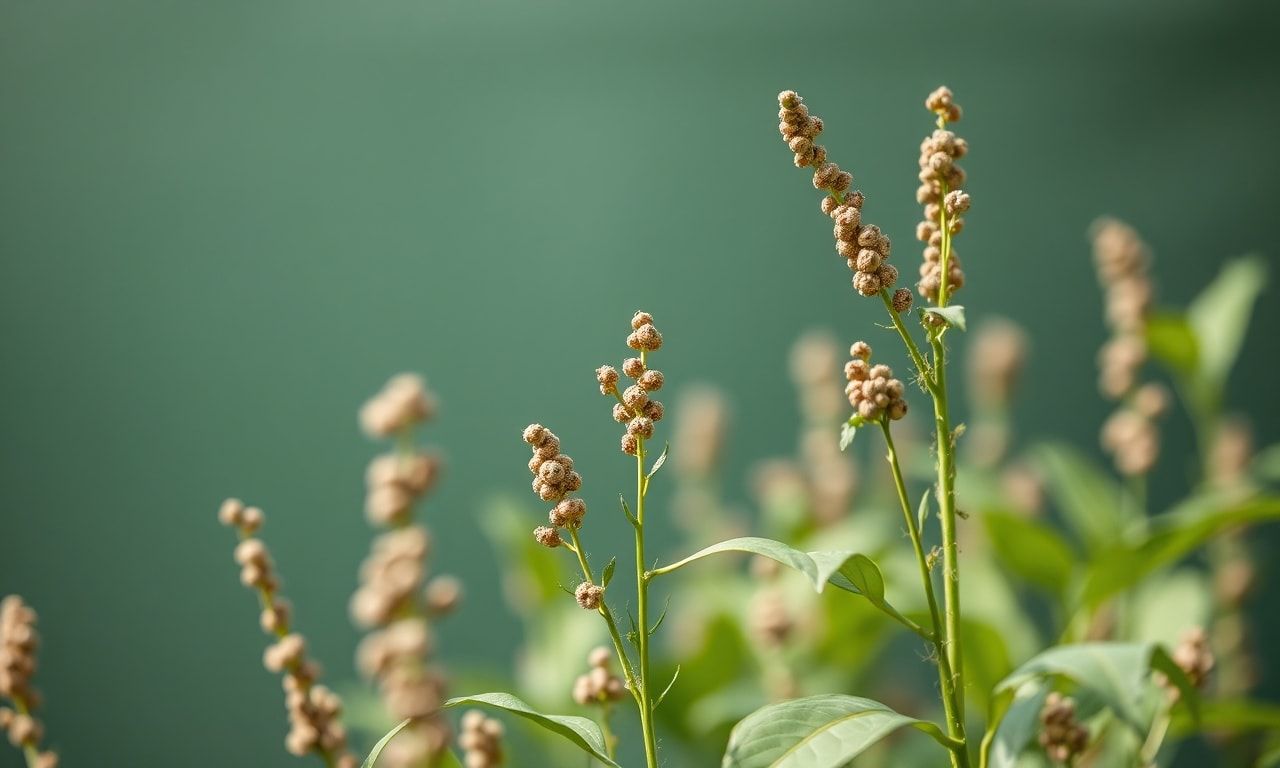
In the ever-evolving landscape of sustainable agriculture, certain crops stand out due to their versatility and resilience. Among these, chia seeds have gained significant attention. Originating from the mint family, chia plants (Salvia hispanica) are not only a rich source of nutrients but also a valuable addition to crop rotation systems. Farmers are increasingly recognizing the benefits of incorporating chia seeds into their agricultural practices, as they contribute to soil health and provide an additional revenue stream.
Nutritional Benefits and Market Demand
The nutritional profile of chia seeds is impressive, packed with omega-3 fatty acids, fiber, protein, and various essential minerals. This nutritional density has driven a surge in market demand, particularly in health-conscious consumer markets. As a result, farmers are exploring chia cultivation as a profitable venture. The global chia seeds market is projected to grow exponentially, making it an attractive option for both small-scale and large-scale farmers. The dual benefits of nutritional value and market demand make chia seeds a compelling crop for modern agriculture.
Cultivation Practices for Chia Seeds
Cultivating chia seeds requires an understanding of their specific growing conditions. Chia plants thrive in warm climates with well-drained soil and ample sunlight. They are relatively low-maintenance, making them suitable for regions with limited water resources. Farmers can adopt sustainable practices such as organic farming and crop rotation to enhance soil fertility and reduce the need for chemical inputs. Additionally, chia plants are drought-resistant, which is a significant advantage in areas prone to water scarcity. By integrating chia seeds into their crop rotation, farmers can improve soil structure and reduce the risk of pests and diseases.
Soil Health and Crop Rotation
One of the key benefits of incorporating chia seeds into agricultural practices is their positive impact on soil health. Chia plants have deep root systems that help aerate the soil and improve its structure. This, in turn, enhances water infiltration and nutrient availability for subsequent crops. Crop rotation with chia seeds can break pest and disease cycles, reducing the need for chemical pesticides and fertilizers. Furthermore, chia plants contribute to nitrogen fixation, enriching the soil with essential nutrients. These practices align with the principles of sustainable agriculture, promoting long-term soil health and productivity.
Economic Opportunities and Challenges
The economic opportunities presented by chia seeds are substantial. The growing demand for chia seeds in the health food industry offers farmers a lucrative market. However, there are challenges to consider, such as the initial investment in seeds and equipment, as well as the need for proper storage and processing facilities. Farmers must also be aware of market fluctuations and ensure they have access to reliable buyers. Despite these challenges, the potential profitability of chia cultivation makes it an attractive option for farmers looking to diversify their crops and income sources.
Processing and Value Addition
Processing chia seeds can add significant value to the final product. Farmers can explore various processing methods, such as milling, to produce chia flour, which is increasingly popular in the health food industry. Additionally, chia seeds can be used to make chia oil, which is rich in omega-3 fatty acids and has numerous health benefits. By investing in processing equipment and techniques, farmers can tap into higher-value markets and maximize their returns. Collaboration with local processing facilities or cooperatives can also help farmers access the necessary resources and expertise to process chia seeds effectively.
Future Prospects and Research
The future of chia seeds in sustainable agriculture looks promising. Ongoing research is focused on improving chia seed varieties, enhancing their nutritional content, and developing more efficient cultivation practices. Farmers are encouraged to stay informed about the latest research and technological advancements in chia cultivation. By adopting innovative practices and technologies, farmers can optimize their chia production and contribute to the growing demand for sustainable and nutritious food sources. The integration of chia seeds into agricultural systems not only benefits farmers but also supports the broader goals of sustainable and resilient food systems.
Discover how tech is revolutionizing rural health and agriculture in our latest feature, tech’s impact on farming, showcasing unexpected innovations at the crossroads of technology and sustainability.
As stewards of the land, it’s crucial to understand the connection between our food and our well-being, so we encourage you to explore mindful eating practices for farmers.
Discover how urban agriculture is transforming cityscapes by exploring Bristol's sustainable farming initiatives, a testament to innovative crop cultivation in metropolitan areas.