The Evolution of Agricultural Practices
Agriculture has come a long way from its humble beginnings. What once was a simple practice of planting seeds and hoping for the best has evolved into a sophisticated science that combines tradition with cutting-edge technology. This evolution is not just about increasing yields but also about sustainability, efficiency, and resilience in the face of climate change and other challenges.
The Role of Traditional Knowledge
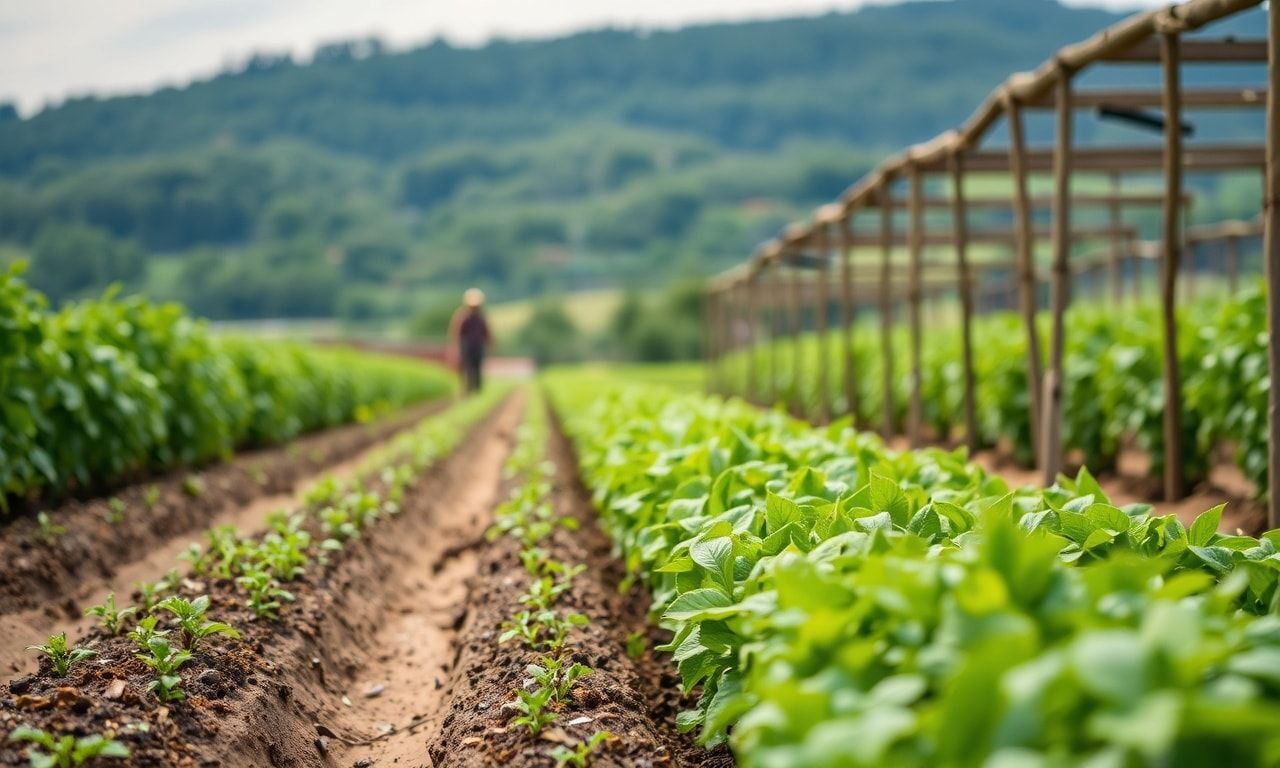
Traditional agricultural practices have been passed down through generations and are deeply rooted in the cultural fabric of rural communities. These practices often emphasize harmony with nature, using techniques that have been proven effective over centuries. For instance, crop rotation, intercropping, and the use of natural fertilizers are all traditional methods that continue to play a crucial role in modern agriculture. These practices not only enhance soil fertility but also promote biodiversity and reduce the need for chemical inputs.
Incorporating traditional knowledge into modern agricultural systems can lead to more sustainable and resilient farming practices. For example, indigenous farming techniques such as agroforestry and the use of cover crops can help mitigate the impacts of climate change by improving soil health and water retention. Additionally, traditional practices often involve a deep understanding of local ecosystems, which can be invaluable in developing tailored solutions for specific agricultural challenges.
Modern Innovations in Agriculture
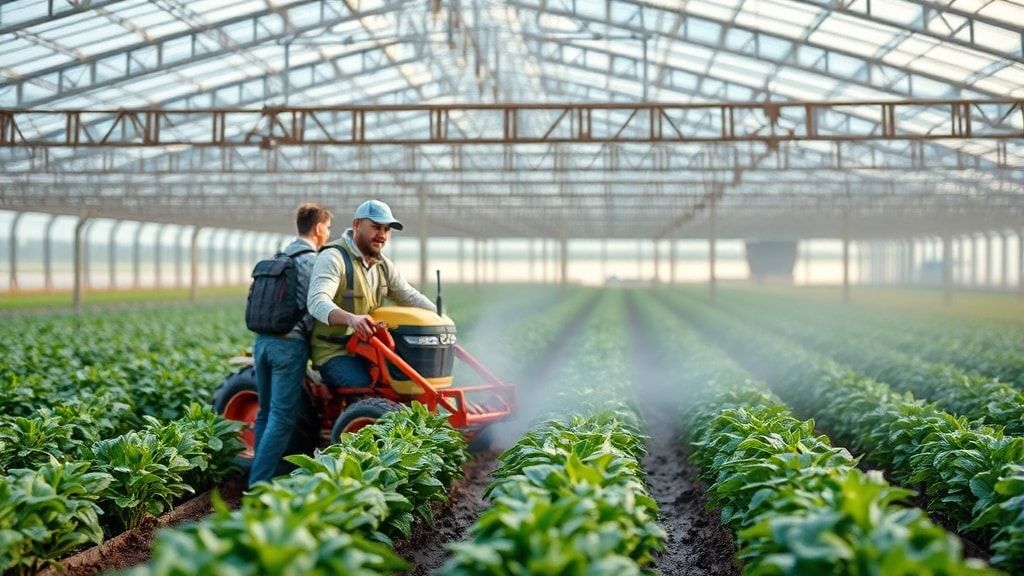
While traditional practices provide a solid foundation, modern innovations are revolutionizing the way we approach agriculture. Precision farming, for instance, uses advanced technologies such as GPS, sensors, and drones to monitor and manage crops with unprecedented accuracy. This approach allows farmers to optimize the use of resources like water, fertilizers, and pesticides, leading to higher yields and reduced environmental impact.
Another significant innovation is the use of biotechnology in agriculture. Genetic engineering and selective breeding have led to the development of crops that are more resistant to pests, diseases, and harsh weather conditions. These advancements not only improve crop yields but also reduce the need for chemical inputs, contributing to more sustainable farming practices.
Moreover, the integration of renewable energy sources into agricultural systems is gaining traction. Solar-powered irrigation systems, wind turbines, and biogas digesters are just a few examples of how renewable energy can be harnessed to make farming more sustainable. These technologies not only reduce the carbon footprint of agricultural activities but also provide farmers with a reliable and cost-effective source of energy.
The Importance of Sustainable Practices
Sustainability is at the heart of modern agriculture. As the global population continues to grow, the demand for food is increasing at an unprecedented rate. To meet this demand without compromising the health of our planet, it is crucial to adopt sustainable practices that minimize environmental impact and promote long-term productivity.
One of the key aspects of sustainable agriculture is soil conservation. Healthy soil is essential for productive farming, and practices such as no-till farming, cover cropping, and crop rotation can help maintain soil health and prevent erosion. Additionally, sustainable water management is crucial for ensuring that agricultural activities do not deplete or pollute water resources. Techniques such as drip irrigation, rainwater harvesting, and efficient water use can help conserve water and reduce the environmental impact of farming.
Another important aspect of sustainability is biodiversity conservation. Agricultural practices that promote biodiversity, such as agroforestry and organic farming, can help protect ecosystems and maintain the balance of nature. These practices not only benefit the environment but also contribute to the overall health and productivity of agricultural systems.
The Future of Agriculture
The future of agriculture lies in the integration of traditional knowledge with modern innovations. By combining the wisdom of the past with the advancements of the present, we can develop sustainable and resilient agricultural systems that can meet the challenges of the future. This integration requires collaboration and knowledge-sharing among farmers, researchers, policymakers, and communities.
Education and training are also crucial for the future of agriculture. Farmers need access to the latest knowledge and technologies to adopt sustainable practices and improve their productivity. Additionally, investing in research and development can lead to new innovations that address the unique challenges faced by agricultural communities.
In conclusion, the intersection of tradition and innovation in agriculture offers a promising path towards sustainability and resilience. By embracing both traditional knowledge and modern technologies, we can create agricultural systems that are not only productive but also environmentally friendly and socially responsible. As we look to the future, it is essential to continue exploring new ways to integrate these two approaches and build a more sustainable and resilient agricultural sector.
For those interested in exploring the intersection of tradition and innovation in other areas, such as fashion, the kimono fashion for different futuristic styles offers a fascinating glimpse into how traditional and modern elements can come together to create something truly unique and inspiring.
In the midst of our busy farming lives, a touch of personal style can be refreshing; consider exploring personalized necklace designs to elevate your everyday look.
To learn how sustainable agriculture can boost rural economies and secure farmers’ futures, explore sustainable farming practices today.
As sustainability becomes increasingly important in all industries, including agriculture, it's fascinating to see how other sectors are blending tradition with innovation; discover how fashion is embracing this trend in tradition meets contemporary style.