The Evolution of Agriculture
Agriculture has come a long way from its humble beginnings. What once relied solely on manual labor and the whims of nature has transformed into a high-tech industry. This evolution has been driven by the need to feed a growing global population, mitigate environmental impacts, and improve the livelihoods of farmers worldwide. Today, agriculture is at the forefront of technological innovation, embracing advancements that promise to revolutionize the way we grow and harvest crops.
The Role of Technology in Modern Farming
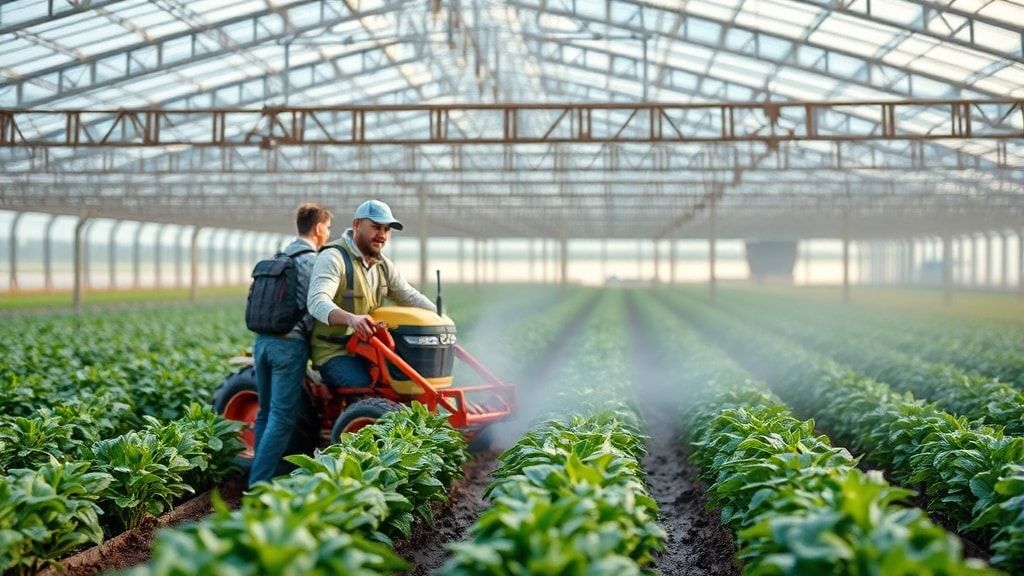
Modern farming is increasingly reliant on technology to enhance productivity and sustainability. Precision agriculture, for instance, uses GPS technology, sensors, and data analytics to optimize the use of resources such as water, fertilizers, and pesticides. This not only reduces waste but also ensures that crops receive exactly what they need to thrive. Additionally, drones and satellite imagery provide farmers with real-time data on crop health, soil conditions, and weather patterns, enabling them to make informed decisions.
Another significant technological advancement is the use of artificial intelligence (AI) and machine learning. These technologies can analyze vast amounts of data to predict crop yields, detect diseases, and even automate farming processes. For example, AI-powered robots can plant seeds, monitor crop growth, and harvest produce with precision and efficiency. This level of automation reduces the need for manual labor and increases overall farm productivity.
The Impact of Technology on Rural Communities
The integration of technology into agriculture has profound implications for rural communities. By adopting these advancements, farmers can improve their yields and profitability, which in turn can lead to economic growth and development in rural areas. Moreover, technology can help attract younger generations back to farming by making the profession more appealing and less labor-intensive. This can help address the aging farmer population and ensure the sustainability of agriculture for future generations.
However, the adoption of technology also presents challenges. Access to high-speed internet and the necessary infrastructure is often limited in rural areas. Additionally, the cost of implementing new technologies can be prohibitive for small-scale farmers. To overcome these barriers, governments and private sectors must collaborate to provide financial support, training, and infrastructure development. This will ensure that the benefits of technological advancements are accessible to all farmers, regardless of their location or scale of operation.
The Importance of Sustainability in Agriculture
Sustainability is a critical aspect of modern agriculture. As the global population continues to grow, the demand for food increases, putting pressure on natural resources. Sustainable farming practices aim to meet this demand while minimizing environmental impact. Techniques such as crop rotation, cover cropping, and integrated pest management help maintain soil health, reduce erosion, and promote biodiversity. These practices not only benefit the environment but also ensure the long-term productivity of farmland.
Water management is another crucial aspect of sustainable agriculture. With water scarcity becoming an increasingly pressing issue, farmers must adopt efficient irrigation methods such as drip irrigation and rainwater harvesting. These techniques help conserve water and ensure that crops receive the necessary hydration without wasting this precious resource. Additionally, the use of renewable energy sources such as solar and wind power can reduce the carbon footprint of farming operations, contributing to a more sustainable future.
The Role of Education and Awareness
Education and awareness are vital for the widespread adoption of sustainable farming practices. Farmers need to be informed about the latest advancements in agricultural technology and the benefits of sustainable practices. This can be achieved through workshops, training programs, and online resources. By staying informed, farmers can make better decisions that benefit both their livelihoods and the environment.
Moreover, consumers play a crucial role in promoting sustainable agriculture. By choosing to support farmers who adopt sustainable practices, consumers can drive demand for environmentally friendly products. This, in turn, encourages more farmers to adopt sustainable practices, creating a positive feedback loop that benefits everyone.
The Future of Agriculture
The future of agriculture is bright, with technological advancements and sustainable practices paving the way for a more efficient and environmentally friendly industry. As we continue to innovate, it is essential to ensure that these advancements are accessible to all farmers, regardless of their scale of operation or location. By doing so, we can cultivate a future where agriculture is not only productive but also sustainable and equitable.
For those interested in the latest technological advancements, staying informed through top tech news websites for developers can provide valuable insights into the cutting-edge innovations shaping the future of agriculture. By embracing these technologies and sustainable practices, we can ensure that agriculture continues to thrive and meet the needs of a growing global population.
To enhance your understanding of modern farming practices, explore innovations in agricultural technology that are boosting crop yields sustainably.
As sustainability becomes increasingly vital in all sectors, including agriculture, we invite you to explore Las Vegas' green transition efforts for inspiration on urban sustainability initiatives that could influence rural farming practices.