The Importance of Sustainable Farming
In an era where climate change and environmental degradation are at the forefront of global concerns, sustainable farming practices have become more crucial than ever. Sustainable agriculture is not just a buzzword; it’s a necessity for ensuring food security, preserving biodiversity, and mitigating the impacts of climate change. By adopting sustainable practices, farmers can produce crops more efficiently while minimizing their environmental footprint.
Key Sustainable Farming Practices
There are several key practices that farmers can adopt to make their operations more sustainable. These practices not only benefit the environment but also improve the long-term viability of farming operations. Here are some of the most effective sustainable farming practices:
Crop Rotation
Crop rotation is a fundamental practice in sustainable agriculture. By rotating crops, farmers can improve soil health, reduce the need for chemical inputs, and break pest and disease cycles. This practice helps maintain soil fertility and reduces erosion, making it a cornerstone of sustainable farming.
Cover Cropping
Cover cropping involves planting specific crops, such as clover or rye, to cover the soil between growing seasons. These cover crops protect the soil from erosion, improve soil structure, and add organic matter. They also help suppress weeds and can enhance biodiversity by providing habitat for beneficial insects and microorganisms.
Precision Agriculture
Precision agriculture uses technology to optimize the use of resources such as water, fertilizer, and pesticides. By employing tools like GPS, sensors, and data analytics, farmers can apply inputs more precisely, reducing waste and improving efficiency. This approach not only lowers costs but also minimizes environmental impact.
Integrated Pest Management (IPM)
Integrated Pest Management (IPM) is a holistic approach to pest control that combines biological, cultural, physical, and chemical tools to manage pests effectively. IPM reduces the reliance on chemical pesticides, which can harm beneficial insects and pollinators. By using a combination of methods, farmers can maintain healthy crops while minimizing environmental harm.
The Role of Technology in Sustainable Farming
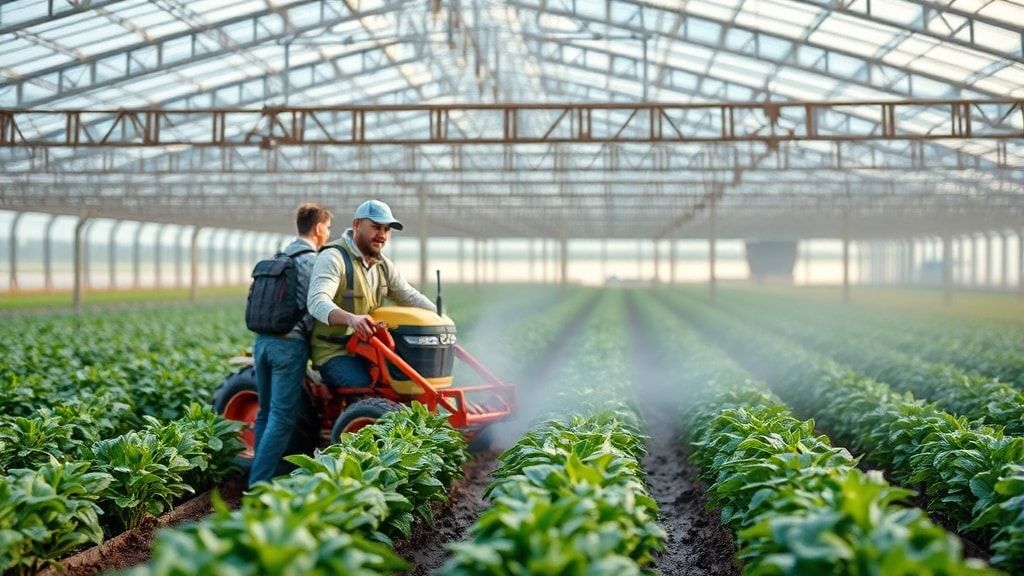
Technology plays a pivotal role in advancing sustainable farming practices. From drones and sensors to advanced data analytics, technology provides farmers with the tools they need to monitor and manage their operations more effectively. For instance, drones can be used to survey fields and identify areas that require attention, while sensors can monitor soil moisture and nutrient levels in real-time. Additionally, platforms like the helpful resources online guide offer valuable insights and tools for farmers looking to adopt new technologies and practices.
Challenges and Solutions in Sustainable Farming
Despite the benefits, transitioning to sustainable farming practices can be challenging. Farmers often face barriers such as high initial costs, lack of knowledge, and resistance to change. However, there are several solutions to these challenges. Government subsidies, educational programs, and partnerships with agricultural experts can help farmers overcome these hurdles. Additionally, sharing success stories and best practices within the farming community can encourage more farmers to adopt sustainable practices.
The Future of Sustainable Farming
The future of sustainable farming looks promising, with increasing awareness and support from both the public and private sectors. Innovations in technology, such as vertical farming and hydroponics, offer new ways to grow crops with minimal environmental impact. Furthermore, consumer demand for sustainably produced food is driving change in the agricultural industry. As more farmers embrace sustainable practices, we can look forward to a greener, more resilient food system.
To enhance your farm’s sustainability and efficiency, consider exploring electric bike buying guide for eco-friendly transportation options.
To delve deeper into the future of farming, consider exploring sustainable agriculture practices shaping crops and their impact on rural communities.
To enhance your understanding of eco-friendly practices, consider exploring sustainable farming techniques that benefit both crops and the environment.